
Summary: Russia has seen a notable uptick in violent crimes involving children and teenagers — juvenile crime rose 18% this year, with over 14,000 teenagers charged. Critics link the trend to wartime policies such as large-scale pardons of prisoners and the glorification of military service. Independent reports say more than 1,000 people have been killed or injured by returning servicemen since February 2022. Parents, NGOs and exiled officials warn the trend may normalize violence among youth and produce long-term social harms.
Surge in Brutal Youth Crimes in Russia Draws Links to Wartime Policies and Pardons

Photo Illustration by Thomas Levinson/The Daily Beast/Getty
Russia is experiencing a worrying rise in violent crimes involving children and teenagers, and critics say the country’s wartime policies — including large-scale pardons and the glorification of military service — are a major contributing factor.
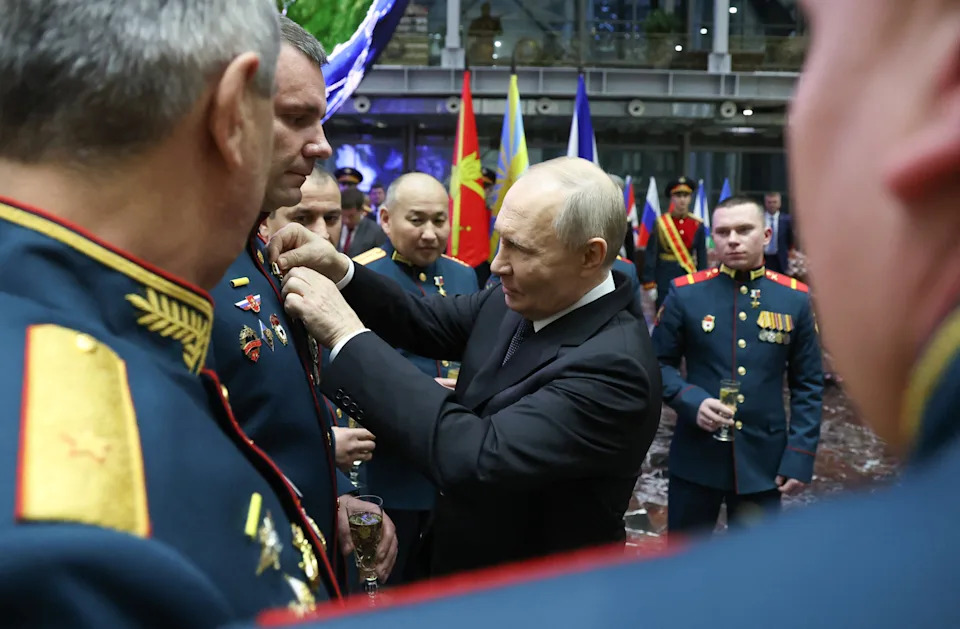
Putin's routine glorification the war and use of convicted criminals to fight it is the backdrop to an explosion of teenage crime, critics say. / ALEXANDER KAZAKOV / Alexander Kazakov/Pool/AFP via Getty Images
Rising Numbers and High-Profile Cases
Official and independent sources report a sharp increase in juvenile offending: juvenile crime rose by 18% this year, with more than 14,000 teenagers charged. Several high-profile and particularly brutal incidents have intensified public alarm.
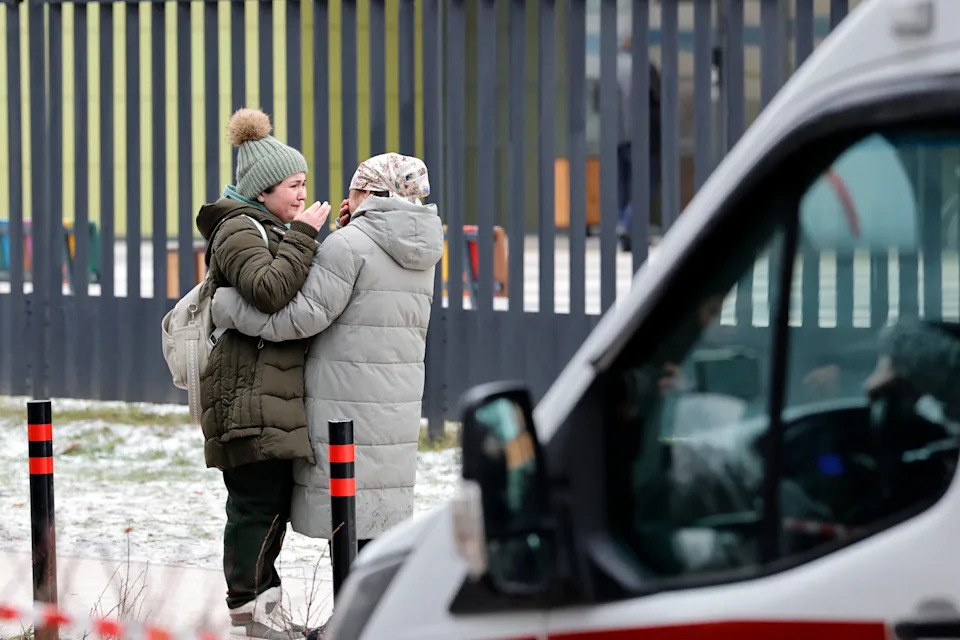
Relatives of a killed child cry outside a school in Gorki-2, a village west of Moscow in the Odintsovo district, following a stabbing incident on December 16, 2025. A 10-year-old was stabbed to death at a school in Russia by an older pupil on December 16, 2025, the authorities said, adding that a suspect had been detained. / TATYANA MAKEYEVA / AFP via Getty Images
Notable Incidents
- Gorki-2 school murder: A 10-year-old pupil was fatally stabbed by a 15-year-old classmate at an elite school near Moscow. Authorities say the attacker also wounded a security guard and a staff member, and have pointed to a white-supremacist motive.
- Crimea school beating: In annexed Crimea, a group of teenagers severely beat a schoolmate in a schoolyard.
- Novosibirsk assault: Two teenage boys forced a classmate into deep snow and struck him repeatedly.
- Irkutsk killings: A 14-year-old is accused of stabbing a schoolmate and a neighbor to death.
- Nizhny Novgorod abuse: Allegations that 13-year-olds kidnapped, beat and tortured an elderly woman for several days surfaced in local reports.
- Sverdlovsk region murders: The case of Alexander Gook — who in November 2024 allegedly killed his girlfriend, Olga Soroka, and her 6-year-old son; part of the remains were discovered in April 2025 — provoked outrage after reports that he was later released to serve in Ukraine.
Claims About Pardons, Recruits and Returning Veterans
Campaigners and independent researchers say the Kremlin’s wartime practices have normalized violence and weakened accountability. Olga Romanova, founder of the NGO Russia Behind Bars, told reporters that more than 50,000 convicts have been pardoned or released in connection with the war effort. Families of victims have protested when murderers and other violent offenders were freed to sign onto military service.
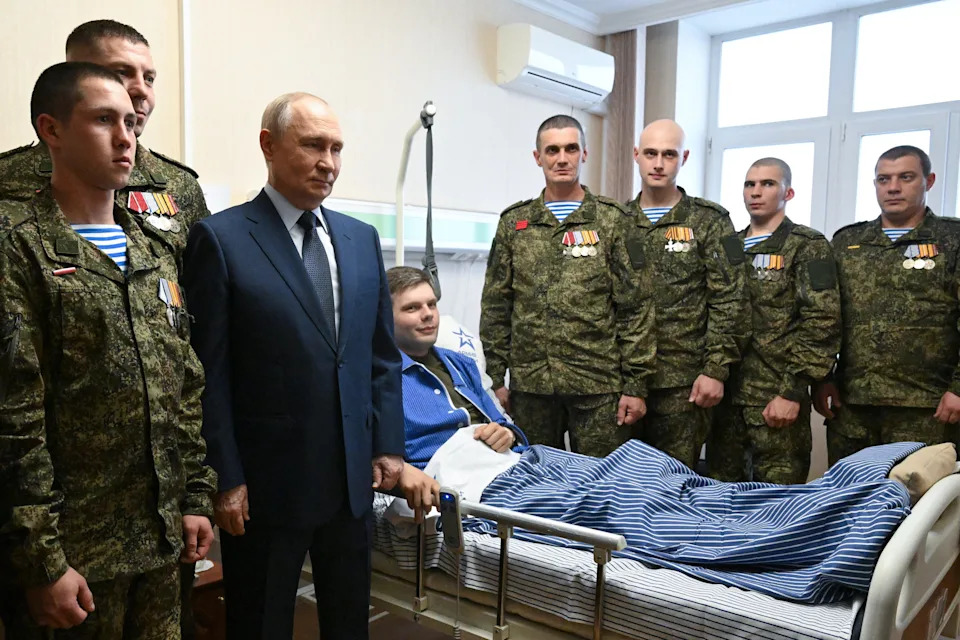
Putin has put military service front and center as a propaganda tool, including by visiting wounded soldiers, but also freed murders to conduct his bloody campaign. / KRISTINA KORMILITSYNA / Kristina Kormilitsyna/Pool/AFP/Getty Images
An independent analysis of court filings by the outlet Verstka reported that since Russia’s full-scale invasion of Ukraine in February 2022, more than 1,000 people have been killed or injured by servicemen returning from the front. The report said at least 551 people died in incidents involving veterans, and 274 of those victims were murdered.
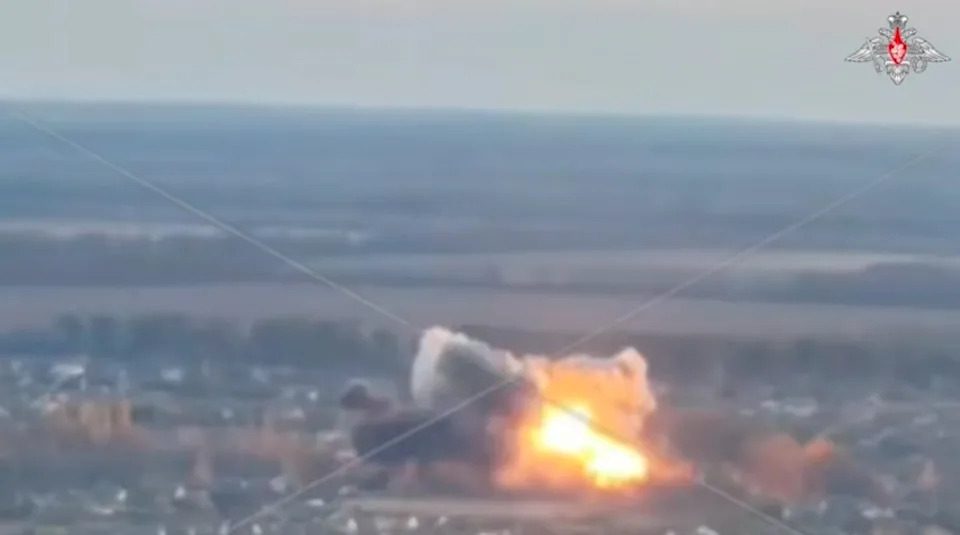
Among the tools Putin has deployed to shape Russian minds are videos of the battlefield, such as this strike on Vilcha, in Kharkiv region, regardless of the reality that civilians, according to Ukrainian authorities, are being consistently targeted. / Russian Ministry of Defense/Anadolu/Getty Images
Dozens of convicted killers have reportedly been released to fight, including Aleksey Chebotaryov, a convicted hitman found guilty of 12 murders who was sentenced to 15 years in July but reportedly left custody by September after signing a military contract.
“This is the price of the war Putin started,” said Olga Romanova. “By pardoning convicts and diminishing the role of punishment, the state risks normalizing violence for future generations.”
Social Effects and Concerns
Parents and educators warn that glorified portrayals of military service on state television, war-themed media targeted at youth, and easy access to illicit weapons are helping to normalize violent behavior. A St. Petersburg mother described how her seventh-grade son and his peers play war games almost daily and imitate violent images they see on TV and in video games.
Ilya Shumanov of Transparency International Russia described the situation as a “Pandora’s Box,” and exiled former lawmaker Gennady Gudkov warned about the proliferation of weapons on black markets and darknet channels, saying many families have left Russia out of fear for their children’s safety.
What This Means Going Forward
The intersection of wartime policy, mass pardons and the social normalization of violence presents complex challenges for law enforcement, schools and communities. Critics argue that without stronger accountability and support systems for young people, the trend could have long-term social consequences.
Context and verification: The article draws on reporting from independent outlets and interviews with campaigners and former officials. Some figures (pardons, judicial filings, incident totals) come from NGOs and investigative media; readers should note that official government sources may provide different accounts.


