
The Bondi Beach massacre that killed 15 people has renewed scrutiny of a trip the suspected shooters — father and son Sajid and Naveed Akram — made to the southern Philippines shortly before the attack. Australian investigators are probing whether the pair received training there, though Philippine officials say no evidence of such training has been confirmed. Experts note that while terrorism in the Philippines has fallen after a 2020 anti-terror law and peace deals, armed militant groups remain active in Mindanao and have historically attracted foreign recruits. Manila and Canberra are cooperating as the investigation continues.
Bondi Beach Massacre Spurs Scrutiny of Philippines’ Role in Islamist Militancy

Soldiers take positions while evading sniper fire as they try to clear the city of armed militants one street at a time, on May 25, 2017 in Marawi city, southern Philippines. - Jes Aznar/Getty Images
The Bondi Beach massacre that left 15 people dead has refocused international attention on a recent trip the suspected gunmen made to the southern Philippines. Authorities say father and son Sajid and Naveed Akram spent nearly a month in the archipelago last month and, roughly two weeks after returning to Australia, carried out the attack on Sydney's famous shoreline. Investigators later discovered homemade Islamic State flags in the pair's vehicle, and Australian agencies are probing whether the men received training or operational support while overseas.
What investigators know — and don’t
Many details remain under investigation: officials have not publicly disclosed exactly where the Akrams traveled inside the Philippines, what activities they undertook, or whether their visit was directly linked to the attack. New South Wales Police said the trip's purpose and destinations are "under investigation" and that the pair did not trigger security alerts during their travel. Australian reporting also notes the son was examined by domestic security services six years ago for alleged ties to an IS-linked cell in Sydney but was not then judged to be a security threat.
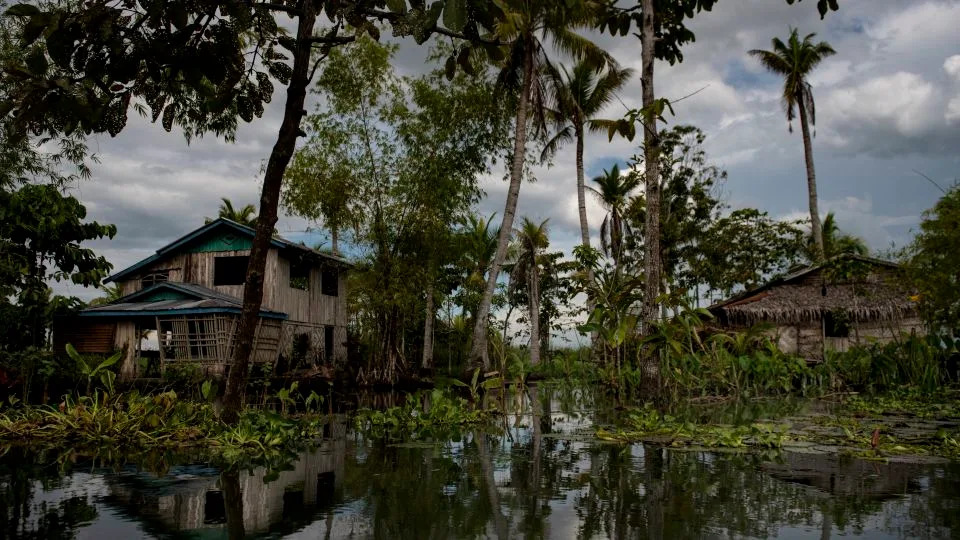
Houses abandoned by their owners because of conflict, on September 1, 2018, in Datu Piang, Maguindanao, southern Philippines. - Jes Aznar/Getty Images
'The reasons why they went to the Philippines and the purpose of that and where they went when they were there is under investigation at the moment,' New South Wales Police said.
Philippine response and regional context
Philippine officials say they are cooperating with Australian investigators but have found no confirmed evidence the suspects trained with local militants. National Security Adviser Eduardo Ano told reporters there was "no indicator or any information" the men underwent training in Mindanao. Presidential spokesperson Claire Castro and other officials rejected characterizing the Philippines as an "ISIS training hotspot," while Foreign Minister Theresa P. Lazaro emphasized Manila's support for efforts that counter intolerance and violence.
Why Mindanao has long attracted militants and foreign recruits
Experts point to a mix of history, terrain and governance challenges that have made parts of Mindanao attractive to armed Islamist groups and, at times, foreign fighters. Rommel Banlaoi of the Philippine Institute for Peace, Violence and Terrorism Research said the Philippines has been seen as a regional "terrorism academy" because established militant networks and remote terrain enable training and concealment. Greg Barton of Deakin University also highlights long-standing political grievances and social marginalization in the region.
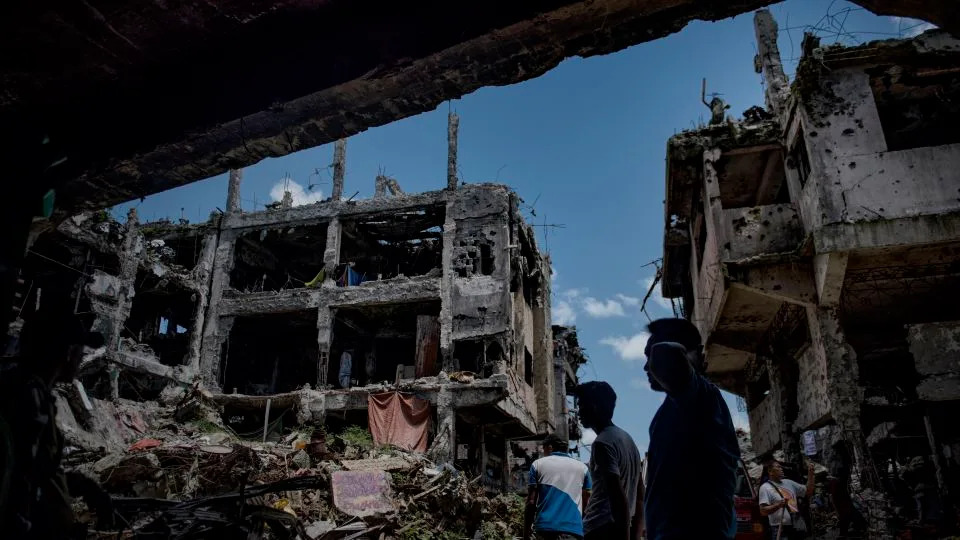
Marawi residents return to their homes in what used to be the main battle area during the war, on May 10, 2018 in Marawi, Philippines. - Jes Aznar/Getty Images
'It's a safe haven for foreign terrorist fighters because they can easily hide, and our law enforcement authorities do not have enough capabilities to penetrate those terrains,' Rommel Banlaoi said.
Groups such as Abu Sayyaf and Maute have carried out kidnappings, sieges and attacks for decades; their 2017 seizure of Marawi prompted a months-long battle that displaced hundreds of thousands. Some groups have since pledged allegiance to Islamic State and been described by agencies such as ASIO under the umbrella term ISEA (Islamic State East Asia).
Progress and persistent risks
Terrorism in the Philippines has declined in recent years, officials and analysts say. Manila's 2020 anti-terror law broadened the scope for prosecuting support networks and speech that endorses violence, and successive peace agreements have brought some militant groups into political processes. The 2025 Global Terrorism Index ranked the Philippines 20th out of 79 countries for terrorism impact, an improvement from ninth in 2019. Still, analysts caution that armed groups — and rogue elements within them — remain active and capable of violence.
What this means going forward: Australian and Philippine authorities continue to investigate the Akrams' travel and contacts. While the Philippines has made measurable gains against militant groups, the case underscores how transnational travel and longstanding local grievances can complicate counterterrorism efforts.
Note: Reporting draws on statements from New South Wales Police, Philippine government officials, Australian security agencies and expert commentary. Investigations are ongoing and public details may change as authorities release more information.


