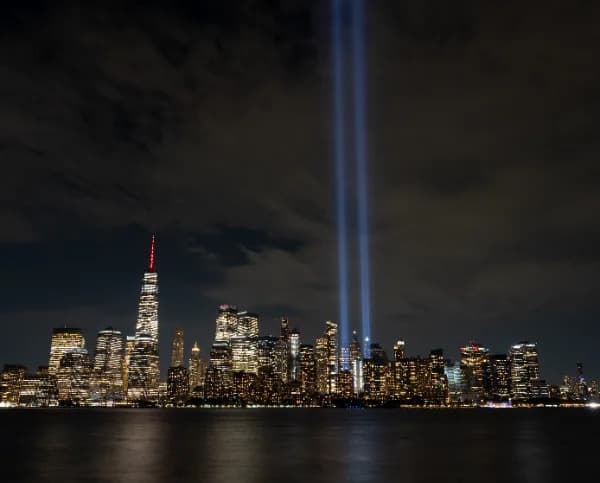
Key Takeaway: Senior Israeli intelligence officials warn of a global rise in attempted terror attacks — many low‑tech and aimed at religious gatherings and crowded events. Analysts say networks mask state links by using non‑native operatives, encrypted communications and proxies, while online amplification and instability in Syria raise the risk of further attacks. Multiple plots have been disrupted across several continents, including a recent U.S. New Year’s Eve plot stopped before explosives were assembled.
Israeli Intelligence: 'Your Jaw Would Drop' — Foiled Global Terror Plots Reveal Widening Threat; Warnings Sent Before Bondi Attack

People attend a floral memorial in honour of the victims of a mass shooting that targeted a Hanukkah celebration on Sunday, at Bondi Beach, in Sydney, Australia, Dec. 16, 2025.
Senior Israeli intelligence officials say warnings delivered to Australian authorities before the deadly Hanukkah attack at Sydney’s Bondi Beach were part of a broader and escalating global threat: a sharp rise in attempted terror attacks across Western countries, increasingly aimed not only at Jewish communities but also at Christians and other large public gatherings during religious holidays.
According to a senior official in Israel’s foreign intelligence service, the agency has identified a marked uptick in attempted plots worldwide. Many of these schemes are low‑tech and rapidly mobilized, intentionally designed to exploit open societies and crowded events.
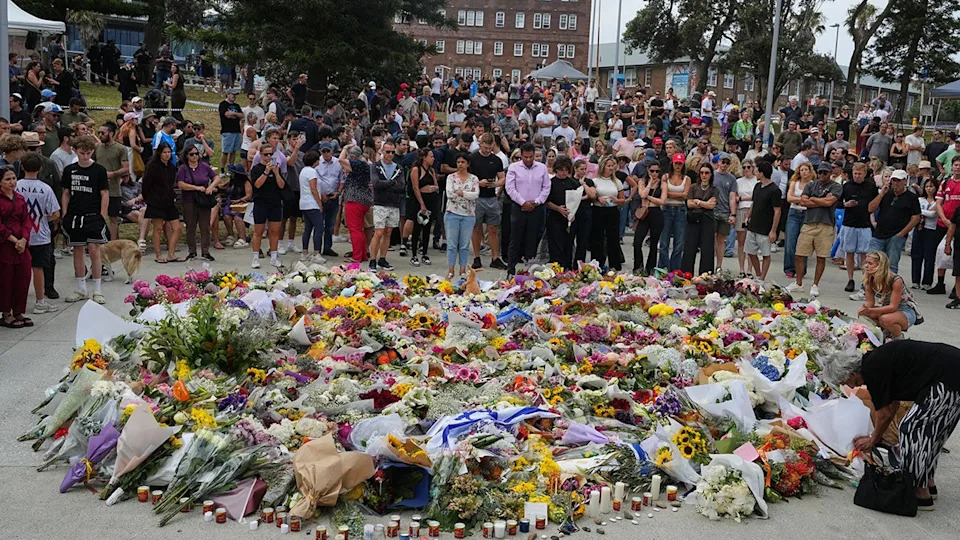
People gather around a tribute for shooting victims outside the Bondi Pavilion at Sydney's Bondi Beach, Monday, Dec. 15, 2025, a day after the shooting.
"We stopped a few ticking bombs, the target was on people’s heads," the senior official told Fox News Digital. "If you knew how many terror attacks we exposed and prevented, your jaw would drop."
Operational Modus Operandi
Israeli analysts say extremist and state-linked networks are building terror infrastructure across borders while deliberately obscuring their origins. To avoid attribution, networks often enlist non‑native operatives — including migrants, refugees, criminal elements or hired proxies — for roles ranging from logistics and financing to surveillance and execution.
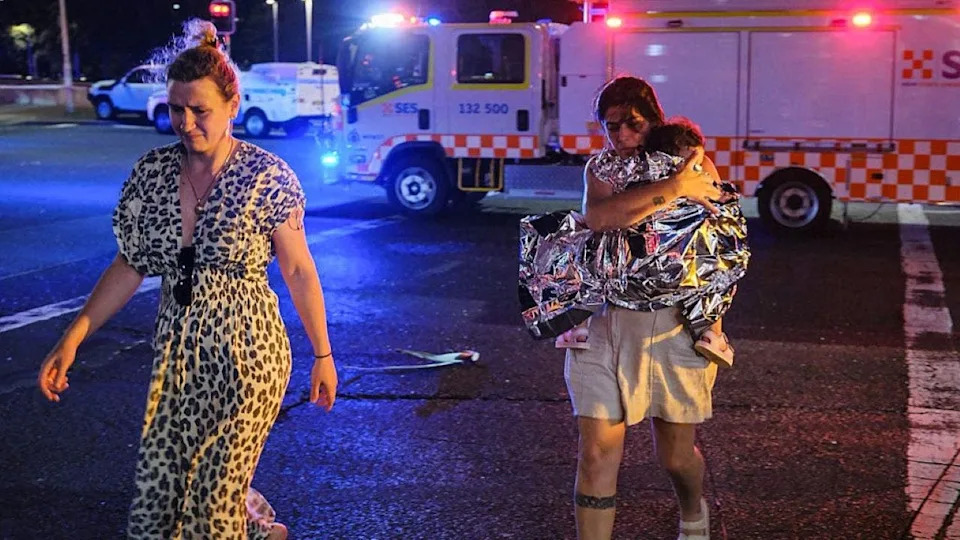
A member of the public leaves the scene with her child, who is covered in an emergency blanket, after a shooting at Bondi Beach on Dec. 14, 2025 in Sydney, Australia. Two gunmen dressed in black fired several shots at Sydney's world-famous Bondi Beach, causing at least 10 injuries and three deaths, and setting off mass panic on a Sunday evening.
To reduce the risk of detection, these groups rely on encrypted messaging platforms, clandestine in‑person meetings (sometimes held outside the target country) and remote instructions transmitted via secure channels that bypass conventional telecommunications monitoring.
Converging Threats and Global Spread
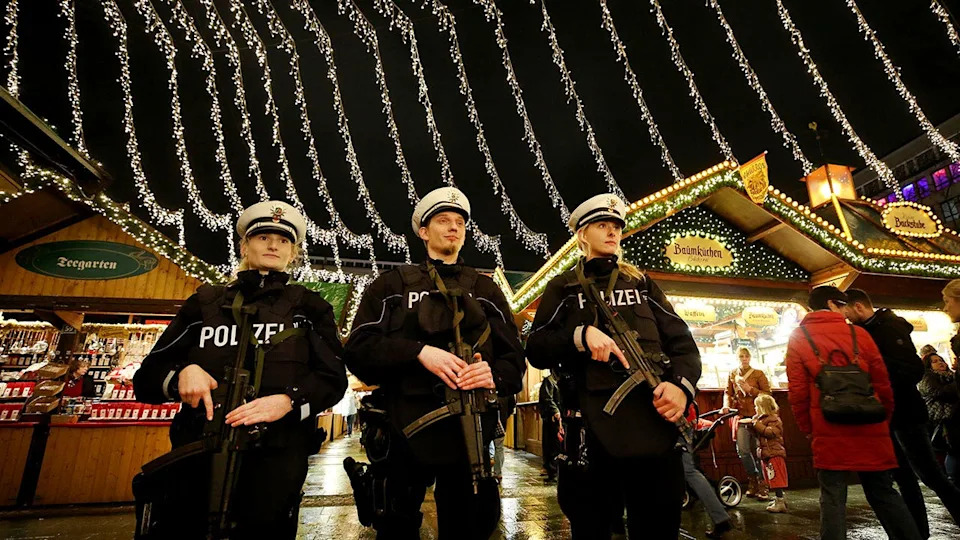
Heavily armed police officers can be seen at the Christmas market in Essen, Germany.
Israeli assessments warn of an increasing overlap between jihadist ideology, lone‑actor violence and state‑linked activity. Online radicalization and geopolitical instability are amplifying that convergence, creating a contagion effect: attacks are broadcast and celebrated online, then rapidly emulated elsewhere.
Officials declined to provide full operational details but said disrupted plots have been uncovered across Europe, North America, South America, India and Thailand. In the United States, federal authorities recently announced they had foiled a New Year’s Eve plot involving improvised explosive devices before explosives were fully assembled, underscoring the value of early intelligence intervention.
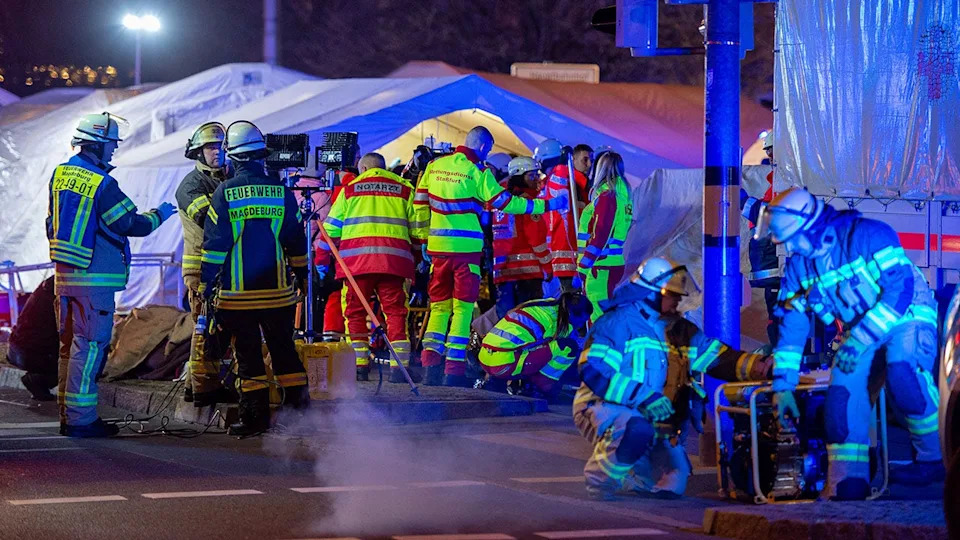
Police vans and ambulances stand next to the annual Christmas market in the city center following a possible terror incident on Dec. 20, 2024 in Magdeburg, Germany.
Regional Concerns
One senior Israeli source highlighted instability in Syria as a particular worry, saying that a renewed ISIS presence there could inspire further attacks in Europe, Australia and North America. The growing prevalence of lone actors and sleeper cells also presents a major detection challenge, since small, low‑resource attacks can still cause mass casualties and inspire copycat incidents.
Local Impact and Security Responses
Authorities in multiple countries have responded by increasing security at seasonal and religious events. European cities have expanded armed patrols, barriers and surveillance at Christmas markets and other holiday gatherings amid elevated threat assessments. Australian and other Western officials continue to investigate whether specific attacks were directed from abroad, while intelligence services stress that many foiled plots never become public because they were disrupted early.
"We see it everywhere," the senior intelligence official said. "And most of what we stop, the public never hears about."
Help us improve.