
Sambo Ly survived the Khmer Rouge genocide as a teenager and emigrated to the United States in 1981. Over nearly 40 years as an interpreter and community organizer, she founded two nonprofits and trains staff at Alameda Health System. From her San Leandro backyard she teaches Cambodian language and classical dance to help young Cambodian-Americans reclaim identity and tradition. Ly also translates testimony in child-abuse and sex-trafficking cases, using her experience to help victims access justice.
From the Killing Fields to Community Leader: How Sambo Ly Rebuilt Her Life and Preserved Cambodian Culture

Courtesy of Sambo LySambo Ly as a child (left) and adult
Sambo Ly survived the Khmer Rouge’s brutal regime as a teenager and has spent the decades since rebuilding her life in the United States while helping other Cambodian refugees reclaim what was lost: family, dignity and culture.
Survival and Loss
Born and raised in Cambodia, Ly witnessed the Khmer Rouge’s four-year reign of terror beginning in 1975, when schools and temples were turned into prisons, people were forced into labor camps, and mass executions and starvation claimed an estimated quarter of the population. Of the 17 relatives who left their home with her, only five survived. She recalls a two-month march to the countryside, rivers dotted with corpses and the constant fear of being taken from her bed at night.
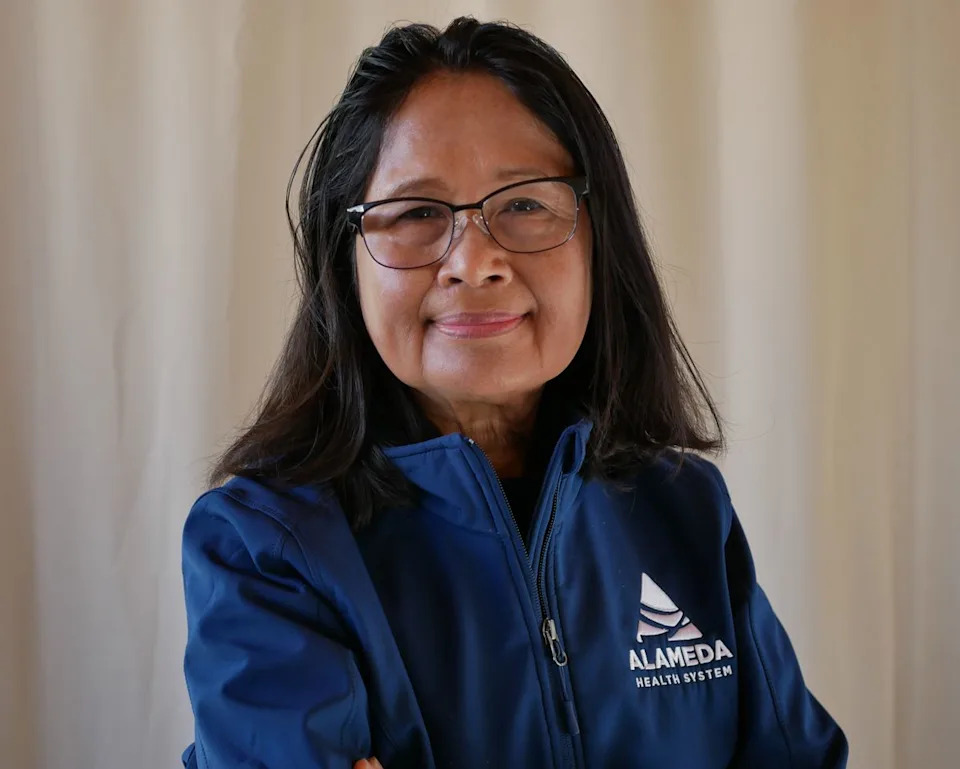
Sambo Ly as an adult
“I lost everything, including my identity and dignity as a human being,” Ly says. “You have to shut down your emotions.”
A New Life in America
In 1981, at age 21, Ly and several family members were sponsored to emigrate to the United States. They settled in Breckenridge, Texas, and worked in low-wage jobs while adjusting to life as refugees. Her mother, Seang Kim Sao, a former midwife who was forced into degrading labor under the Khmer Rouge, now lives independently in Texas at age 93.
Ly never married. Her sister Samnang, who remained in Cambodia, died in 1997 just as arrangements were being made to bring Samnang and her family to the U.S. Ly later sponsored Samnang’s three children, who completed their education and established lives in America.
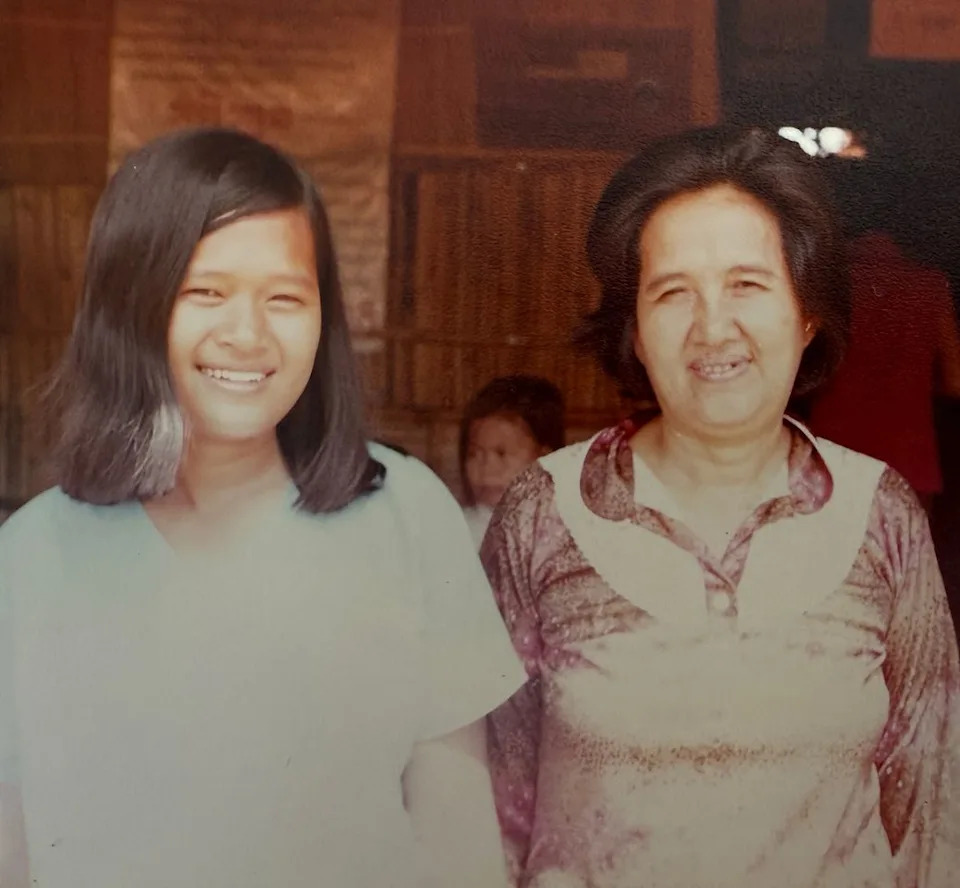
Sambo Ly (left) with her mom, Seang Kim Sao, at Khao I Dang refugee camp in Thailand in 1979
Work, Advocacy and Cultural Preservation
For nearly 40 years, Ly has worked as an interpreter and translator. For the past two decades she has managed and trained staff at Alameda Health System. In 1990 she founded Cambodian Community Development, Inc., to provide services such as language instruction and housing assistance, and in 2016 she started Cambodian Family and Children Services from her home to reach more families in need.
Ly teaches Cambodian language and classical dance in her San Leandro backyard near San Francisco. Her lessons emphasize both technique and the cultural history behind movements: she believes language and dance are essential to identity and healing. “I encourage them to be proud of who you are,” she says.
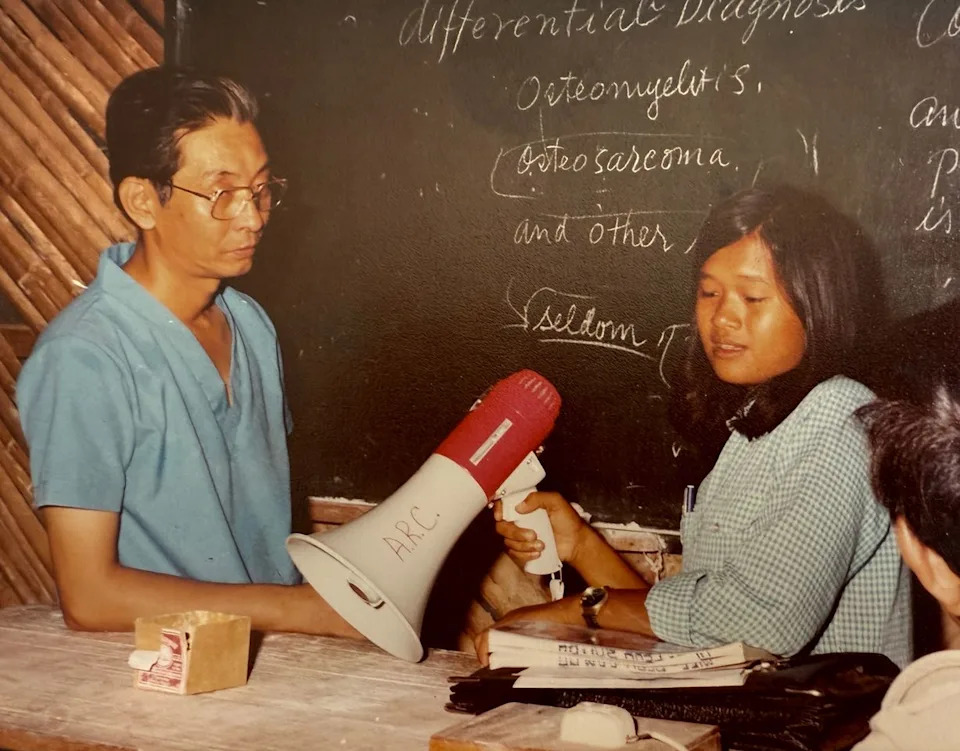
Sambo Ly (right) serving as an interpreter for a lecture at the Thailand refugee camp in 1979
Giving Voice to the Vulnerable
As a freelance translator Ly documents child abuse and sex-trafficking cases affecting the Cambodian community, translating testimony from Khmer into English for courts. “I transcribe not just their voice, but their emotional pain so they can get justice in the court system,” she says. Her work helps bridge a cultural and linguistic gap that can otherwise prevent survivors from being heard.
Legacy
Ly says the trauma she endured motivates her to serve others. Rather than let the Khmer Rouge’s attempt to erase Cambodia’s professionals and artists defeat her community, she trains interpreters, runs nonprofits, and passes on language and dance traditions to a new generation. By turning private pain into public service, she seeks both justice for victims and cultural continuity for Cambodian-Americans.
Photo credit: Courtesy of Sambo Ly


