
Federal prosecutors say Somali-led nonprofits diverted hundreds of millions from child-nutrition and Medicaid programs in one of the largest U.S. social-services fraud cases. Simon Hankinson of the Heritage Foundation told Fox News Digital that declining immigrant assimilation, strong clan loyalty, and a fear of being accused of racism slowed detection and enforcement. More than 70 people have been charged and dozens convicted, and experts call for stronger oversight and community cooperation to prevent future abuse.
Expert Says Declining Assimilation and Fear Of Racism Helped Fuel Massive Minnesota Fraud Scheme
04:00 PM, 12/10/2025

Two Somali women walk through a Minneapolis neighborhood as Minnesota Gov. Tim Walz appears in a split image. Lawmakers say the state’s oversight failures and political sensitivity around Somali-run nonprofits helped fuel the $1 billion welfare fraud scandal now under federal investigation.
An expert interviewed by Fox News Digital says a long-term drop in immigrant assimilation and widespread reluctance to be accused of racism helped enable a sprawling fraud operation in Minnesota that federal prosecutors are now unraveling.
Background
Federal prosecutors describe the case as one of the largest social-services fraud scandals in U.S. history. They allege Somali-led non-profits created "schemes stacked upon schemes" that diverted hundreds of millions of taxpayer dollars from child-nutrition programs and Medicaid-funded housing and therapy services. More than 70 people have been charged and prosecutors have secured dozens of convictions as investigations continue.
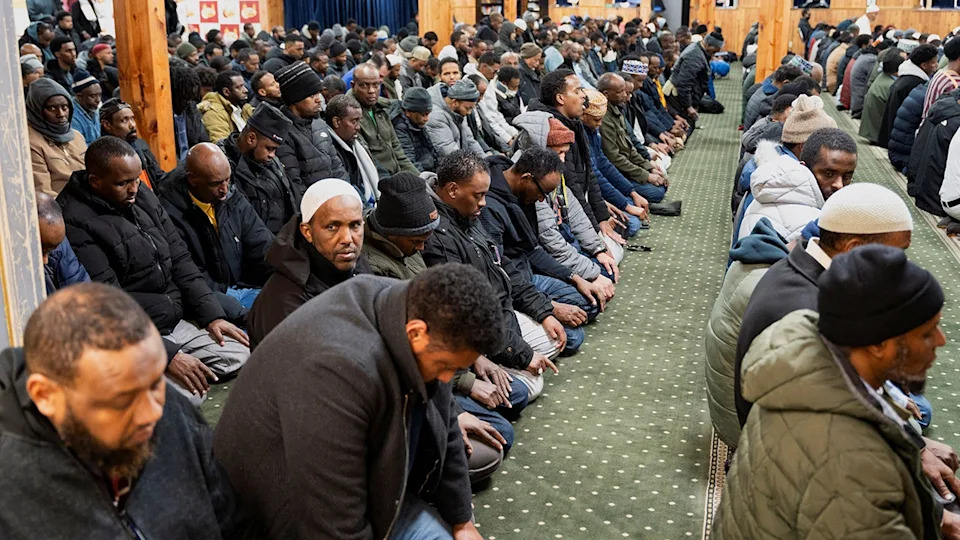
Men take part in a weekly Friday Jum’ah prayer session at Abubakar As-Saddique Islamic Center amid a reported ongoing federal immigration operation targeting the Somali community in Minneapolis, Minnesota, U.S. Dec. 5, 2025.
Expert Analysis
Simon Hankinson, a senior research fellow at the Heritage Foundation’s Border Security and Immigration Center, told Fox News Digital that a weakening of assimilation expectations in the U.S. and a fear of being labeled racist slowed detection and enforcement.
"Assimilation is a two-sided coin. The pressure comes from inside, from you wanting to assimilate so you can make it in the new society, but it also comes from outside, where the society says, 'Hey, we expect you to do this.' We don't do that anymore in America. We don't really expect anything of our immigrants,"
Hankinson emphasized that those charged represent a minority within Minnesota's Somali community — estimated at roughly 80,000 people — and said the broader community should not be blamed collectively. He argued, however, that strong clan ties and cultural insularity can reduce internal reporting and limit community-driven oversight.
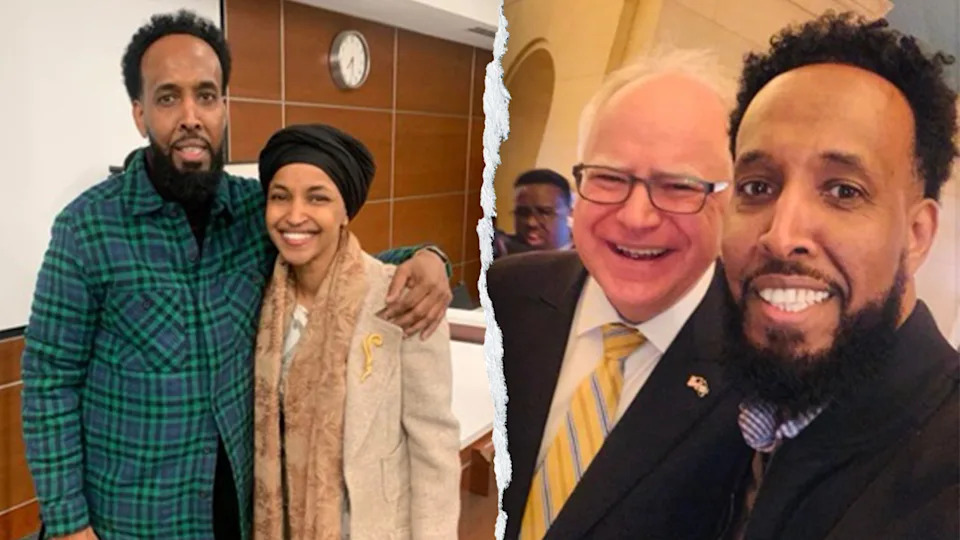
Somali illegal alien Abdul Dahir Ibrahim, who was convicted of fraud, has been photographed with Rep. Ilhan Omar, D-Minn., (left) and Democratic Minnesota Gov. Tim Walz (right).
Allegations and Oversight Failures
Prosecutors allege that some companies exploited Minnesota's Medicaid autism program: recruiting families, obtaining questionable diagnoses, and billing for therapy that never occurred. Hankinson called the reported spike in autism diagnoses among Somali children alarming and suggested regulators should have noticed dramatic shifts in reported rates earlier.
"Somebody should have noticed at some point that, 'Hang on a minute, why have the autism rates in Somali kids gone from one in a hundred to like one in three or whatever it was?' There should have been some oversight,"
He also cautioned that the threat of being accused of racism can deter investigators and officials from pursuing cases aggressively, adding that some wrongdoers may exploit those fears to avoid scrutiny.
Political Reaction and Next Steps
The scandal has prompted state and federal probes, congressional attention, and public debate. Governor Tim Walz criticized federal actions he said unfairly targeted Somalis, while critics like Hankinson argue leadership at the state level should have acted sooner. Hankinson called for stronger oversight of aid programs and encouraged community leaders to help identify and hold accountable the individuals responsible for the fraud.
Bottom line: Authorities say the fraud was large in scale and sophisticated in execution. Experts point to a mix of program vulnerabilities, cultural dynamics, and political caution as factors that allowed the scheme to grow before it was stopped.
Similar Articles

Investigation: Alleged Minnesota Fraud Schemes Routed Millions to Al-Shabaab
Key points: Reporters Ryan Thorpe and Christopher F. Rufo allege that fraud in Minnesota programs — including Medicaid Housin...

Minnesota Rallies Behind Somali Community After Presidential Attacks and Federal Raids
The Somali community in Minnesota experienced intense national attention after President Trump’s disparaging remarks and fede...

Allies Of Rep. Ilhan Omar Linked To Large Minnesota COVID-Era Meal Fraud; Federal Probes Expand
Summary: Federal prosecutors and media reports say associates of Rep. Ilhan Omar have been linked to a large COVID-era scheme...

Minnesota Officials: Signs of Feeding Our Future Fraud Appeared Before COVID — Probe Uncovers Over $1 Billion Lost
What happened: Minnesota officials say they detected signs of fraud by the charity Feeding Our Future as early as July 2019, ...

CMS Chief Mehmet Oz Gives Minnesota 60 Days To Address Alleged Somali-Linked Medicaid Fraud — Or Risk Funding Cuts
CMS Administrator Mehmet Oz gave Minnesota Gov. Tim Walz 60 days to address what Oz described as a sprawling, alleged Medicai...

Ilhan Omar Calls Trump’s Reported ‘Garbage’ Slur Against Minnesota Somalis “Completely Disgusting”
Representative Ilhan Omar condemned reported remarks by former President Donald Trump that described Minnesota’s Somali commu...

Photos Link Somali National With 2004 Deportation Order To Prominent Minnesota Democrats After ICE Arrest
Key points: ICE arrested Abdul Dahir Ibrahim, a Somali national who has had a deportation order since 2004 and a documented h...

Maine Lawmaker Demands Probe After Alleged Medicaid Billing Scheme; Founder Accused Of Funding Somali Militias
Alleged irregularities at Gateway Community Services have prompted calls for investigation . Former employee Christopher Bern...

Ilhan Omar: Undocumented Somali Migrants Are Rare in Minnesota as ICE Readies Twin Cities Operation
Rep. Ilhan Omar says undocumented Somali migrants are rare in Minnesota, noting most arrived as refugees and later became per...

Border Czar Defends Minnesota Crackdown, Vows Arrests of Undocumented Somalis
White House border chief Tom Homan defended the administration's actions in Minnesota and said authorities believe there is a...

GOP Candidate Scott Jensen Blames Gov. Walz For $1B Feeding Our Future Fraud, Warns Of Possible Cover-Up
Republican candidate Dr. Scott Jensen accuses Gov. Tim Walz of dereliction of duty and possible concealment in the Feeding Ou...

Ilhan Omar: Stephen Miller's Migrant Rhetoric Mirrors Nazi Dehumanization
Rep. Ilhan Omar said Stephen Miller's description of migrants echoed how Nazis dehumanized Jewish people, calling the languag...

Ilhan Omar Responds to $1B Minnesota COVID Benefits Fraud, Condemns Trump Remarks on Somalis
Dec. 7, 2025 — Rep. Ilhan Omar told Face the Nation she returned campaign donations tied to suspects in what prosecutors call...

ICE 'Operation Metro Surge' Detains About a Dozen Criminal Noncitizens in Minneapolis, Including Several Somali Nationals
ICE says it detained at least a dozen noncitizens in Minneapolis during 'Operation Metro Surge,' beginning Dec. 1, targeting ...

Minneapolis Police Chief Apologizes After Linking "East African" Youth to Crime as National Scrutiny of Somali Community Intensifies
Minneapolis Police Chief Brian O'Hara apologized after comments in a recent interview that linked "groups of East African kid...