
U.S. Ambassador to the U.N. Michael Waltz returned from a Middle East tour reporting "amazing progress" in implementing President Trump’s 20-point Gaza plan, calling the situation "night and day" from a year ago. He described about 100 U.S. troops in Israel coordinating humanitarian and military efforts and said a recent U.N. resolution endorses a Board of Peace, an interim technocratic Gaza committee and an International Stabilization Force. Waltz argued the plan aims to de-radicalize Gaza, remove Hamas and pave the way for an expanded Abraham Accords.
Waltz Says Trump’s Gaza Plan Has Transformed The Region: “Night And Day” Progress

Waltz hails ‘night-and-day’ Middle East shift as Trump’s Gaza plan reshapes region
U.S. Ambassador to the United Nations Michael Waltz returned from a weeklong tour of the Middle East and told Fox News Digital that he witnessed “amazing progress” in implementing President Donald Trump’s 20-point Israel–Gaza peace framework. Waltz described conditions as “night and day” compared with a year ago.
Waltz’s trip took him from the Lebanese frontier to the Syrian border, along the Egyptian border, through Jordan and into Israel. He said he met with senior regional leaders — including the Jordanian king and prime minister, the president of Israel — and visited U.S. service members on the ground.
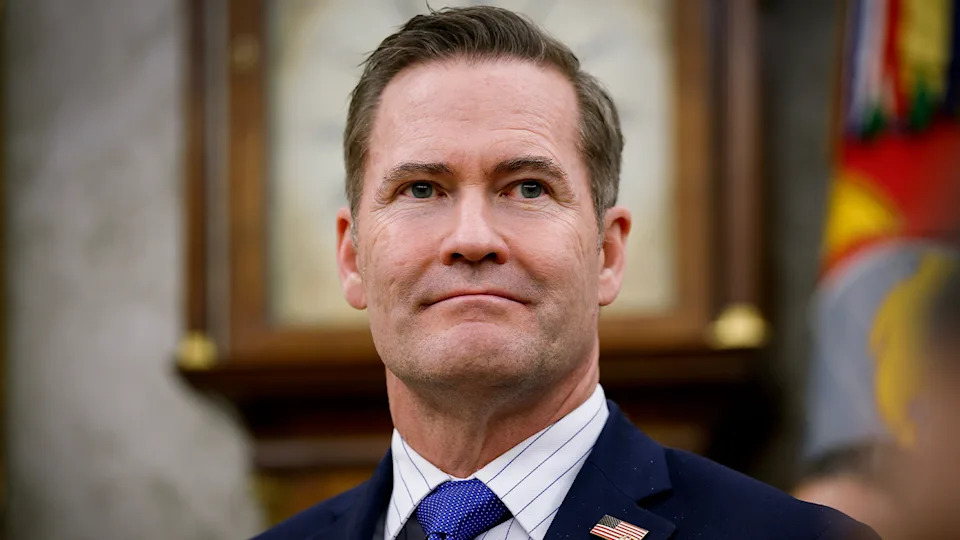
United States Ambassador to the United Nations Michael Waltz recently returned from a Middle East swing, touting the "amazing progress" in the implementation of President Donald Trump’s Israel–Gaza peace deal.
U.S. Forces, Humanitarian Coordination And Burden Sharing
Waltz said roughly 100 U.S. troops are stationed in Israel (not in Gaza) as a small headquarters element to coordinate humanitarian relief and military liaison work. He explained the deployment complements long-standing U.S. air-defense assets in Israel and, in his words, fills a previous gap in coordination among militaries, the U.N. and humanitarian organizations.
“No one was talking to each other, and the U.S. military is doing what it does best,” Waltz told Fox News Digital.
According to Waltz, U.S. personnel are working with the United Nations, non-governmental organizations, Israeli and Egyptian authorities, other Arab partners and Palestinian contacts to help ensure aid reaches civilians in need. He emphasized that “burden-sharing” by dozens of international partners has been central to the administration’s approach.
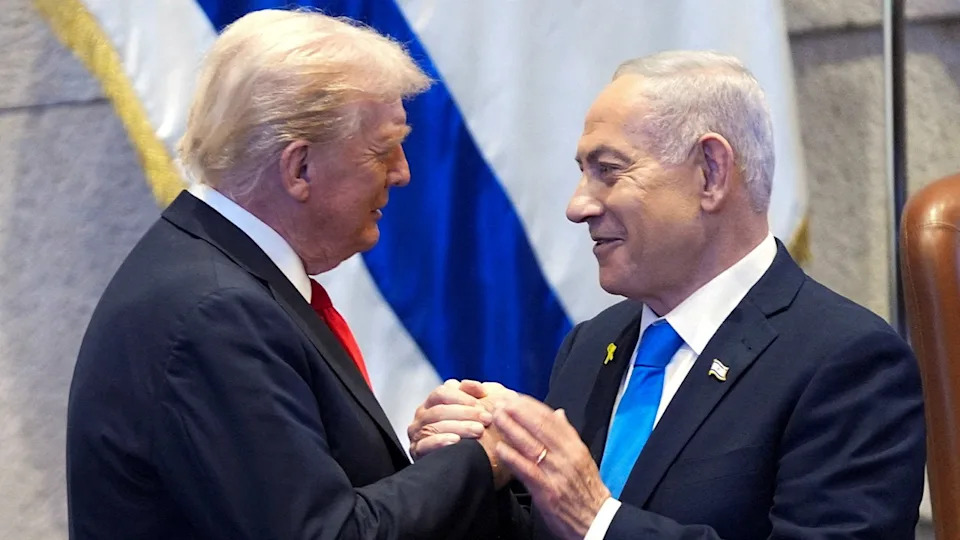
President Donald Trump's plan to end the Gaza conflict calls for Gaza to be a de-radicalized, terror-free zone that does not pose a threat to its neighbors.
Diplomacy At The U.N. And The Gaza Transition Plan
Waltz led efforts at the U.N. to secure a resolution he says endorses the Board of Peace, defines parameters for Gaza’s transitional governance and launches an International Stabilization Force envisioned in the administration’s Gaza plan. He described the vote as securing international backing for a complex transitional arrangement.
Under the 20-point framework, Waltz explained, Gaza would be transformed into a de-radicalized, terror-free zone, rebuilt to benefit its residents. The plan calls for Israeli forces to withdraw from parts of the territory and for the creation of a temporary, technocratic Palestinian committee — apolitical and focused on restoring municipal services — to manage day-to-day operations under the oversight of a new international body, the Board of Peace.
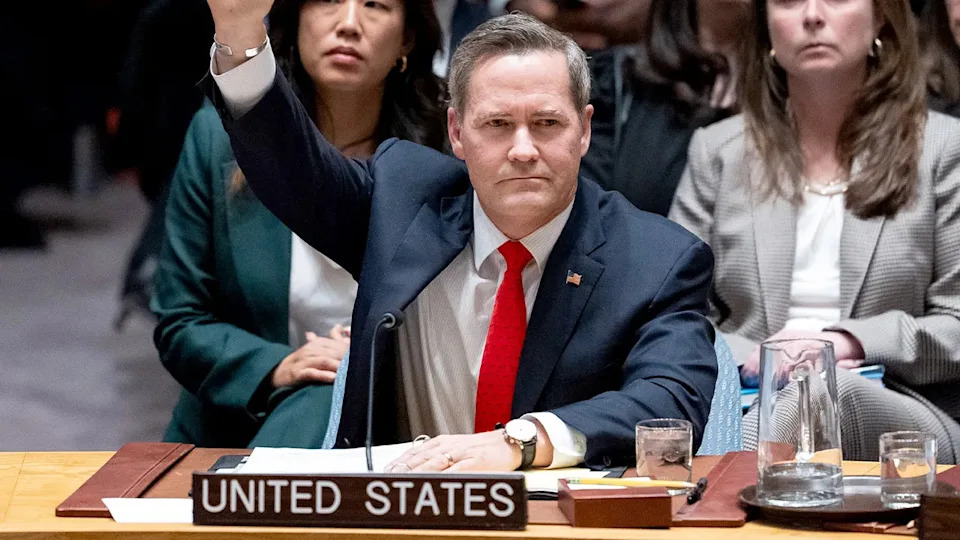
U.S. Ambassador to the United Nations Mike Waltz raises his hand to vote in favor of a draft resolution authorizing an International Stabilization Force in Gaza on Nov. 17, 2025.
Waltz characterized the U.N. resolution as elevating the framework’s status internationally, but framed that as a diplomatic and political milestone rather than a unilateral legal-change claim.
Removing Hamas And Preventing A Return To Conflict
“At the end of the day, Hamas has to go,” Waltz said, warning against repeating past cycles in which billions are invested while Hamas remains intact and violence resumes. He pointed to the Board of Peace, a planned stabilization force drawing contingents from countries such as Indonesia and Azerbaijan, and the technocratic interim committee as evidence the approach is intended to be different and more sustainable.
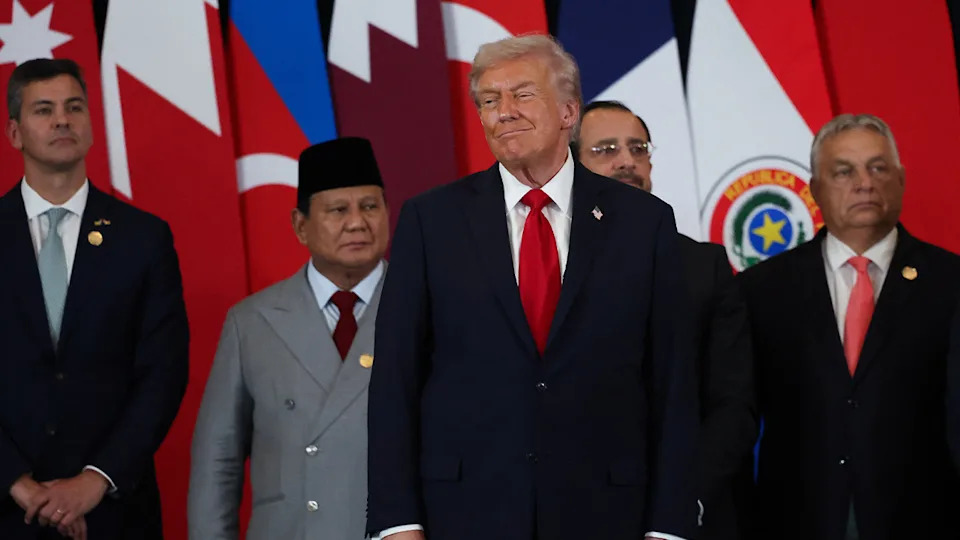
President Donald Trump attends a world leaders' summit on ending the Gaza war, amid a U.S.-brokered prisoner-hostage swap and ceasefire deal between Israel and Hamas, in Sharm el-Sheikh, Egypt, Oct. 13, 2025.
Waltz also pointed to recent developments he described as major gains — including the release of hostages and what he called Operation Midnight Hammer’s reported impact on Iran’s nuclear capabilities — and said these achievements, alongside diplomatic momentum, have reshaped the strategic environment within ten months.
Next Steps: Abraham Accords And Broader Diplomacy
Waltz said the next strategic phase is to extend and expand the Abraham Accords, adding that implementation of the Gaza framework will “unlock” a new round of normalization talks and regional cooperation. He described President Trump as personally committed to securing lasting peace in the region.
While Waltz portrayed the trip as a confirmation of rapid progress, observers and regional actors may continue to debate the plan’s feasibility and long-term political implications. Waltz’s account reflects his perspective and the administration’s goals as diplomatic and stabilization efforts proceed.


