
Archaeologists and law enforcement are investigating the theft of a human skull from a protected, roughly 1,700-year-old Basketmaker-period burial site near Kanab, Utah, after the suspect posted a photo of the skull on Facebook. The Utah School and Institutional Trust Lands Administration is offering a $3,000 reward for information leading to arrest and conviction. Officials are withholding images for ethical reasons and say the theft hinders ongoing research and preservation. A corn cob recovered at the site was dated to about 240 A.D.
Archaeologists Offer $3,000 Reward After Thief Posted Facebook Selfie With 1,700-Year-Old Skull From Utah Burial Site

GettyKanab, Utah
Archaeologists and law enforcement are seeking tips after a human skull was removed from a protected, roughly 1,700-year-old burial site near Kanab, Utah, and later posted on Facebook as a profile photo.
The Utah School and Institutional Trust Lands Administration (Trust Lands Administration) learned of the theft in January when someone used an image of themselves holding the skull as their Facebook profile picture. The agency has offered a $3,000 reward for information leading to the arrest and conviction of the person responsible.
What Officials Are Saying
Joel Boomgarden, lead archaeologist for the Trust Lands Administration, described the discovery as "shocking," noting that in his 25 years with the agency this is the first known theft of human remains. For ethical reasons, authorities are not releasing photographs of the skull.
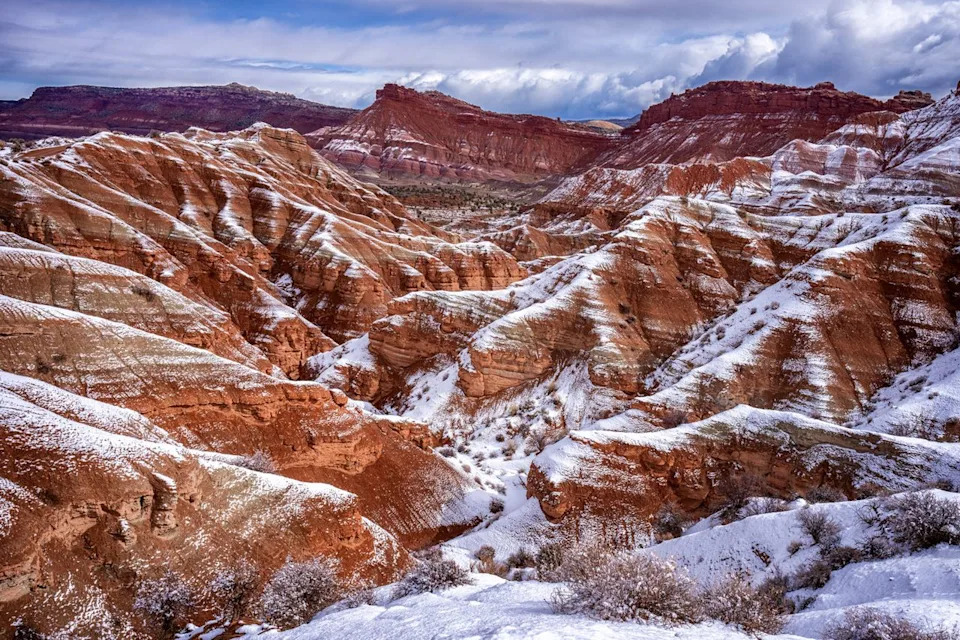
GettyKanab, Utah
"The theft of human remains from a burial site is a crime and a violation of human dignity," said Michelle McConkie, executive director of the Trust Lands Administration. "This act not only breaks the law — it is disrespectful to those who lived here long before us and to the scientific integrity of Utah's archaeological record."
Context And Cultural Significance
The remains were taken from a site associated with the Basketmaker cultural period, a pre-Ancestral Puebloan era that covered parts of southern Utah, Colorado, New Mexico and Arizona. Archaeologists working at the location recovered material used for dating: for example, a preserved corn cob from the site has been dated to about 240 A.D., placing the burial in a deep historical context.
Boomgarden emphasized that removal of human remains is a last resort: "We don't want to take people out of the ground. We want to leave them absolutely where they're at," he said. The team is re-documenting the site this year, and the theft complicates ongoing research and preservation efforts.
Bonnie Smith, president of the Wyoming Association of Professional Archaeologists, called the incident "disgusting" and said the theft is terrible for the archaeological community.
How The Public Can Help
Authorities are urging anyone with information to contact local law enforcement or the Utah School and Institutional Trust Lands Administration so the remains can be returned and the responsible party held accountable. The reward for information leading to arrest and conviction stands at $3,000.


