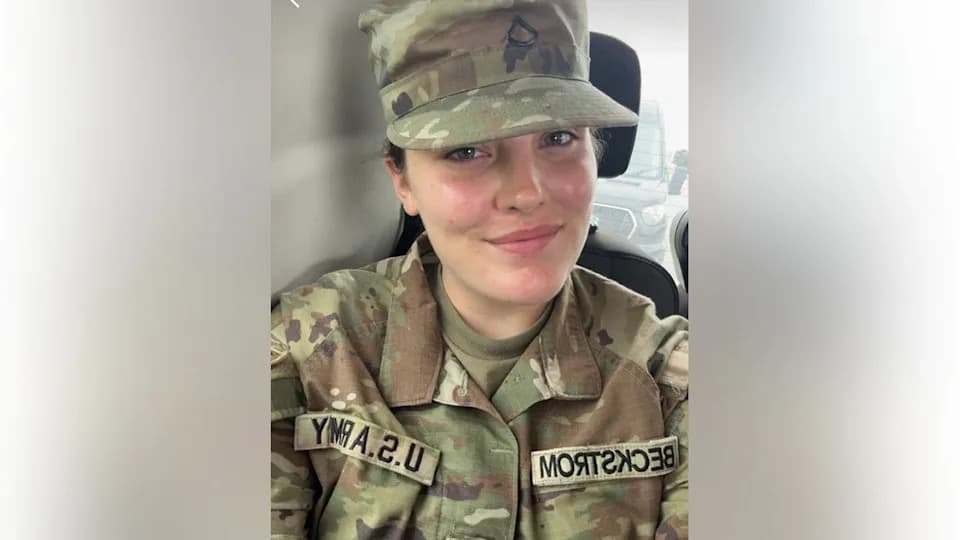
The recent shooting near the White House, in which Spc. Sarah Beckstrom later died, has renewed scrutiny of Operation Allies Welcome, the 2021 program that evacuated Afghans who assisted U.S. forces. Authorities charged 29-year-old Rahmanullah Lakanwal with first‑degree murder and multiple weapons and assault counts; the CIA confirmed he had worked with U.S. personnel in Afghanistan. The program involved biometric and biographic screening at overseas transit sites, and the shooting prompted pauses and reviews of vetting and immigration procedures.
Operation Allies Welcome: How the 2021 Afghan Evacuation Worked and Why a Recent White House-Area Shooting Renewed Scrutiny
The recent shooting near the White House that left U.S. Army Spc. Sarah Beckstrom critically injured and later deceased has brought renewed attention to Operation Allies Welcome, the Biden-era program that evacuated thousands of Afghans who assisted U.S. forces. Authorities arrested 29-year-old Rahmanullah Lakanwal in connection with the incident; prosecutors have charged him with first‑degree murder, multiple counts of weapons offenses and assault with intent to kill while armed.
Who is accused and what happened
Officials say Lakanwal was taken into custody after shots were fired just blocks from the White House. He was hospitalized following the incident, along with Spc. Sarah Beckstrom, 20, and U.S. Air Force Staff Sgt. Andrew Wolfe, 24. Beckstrom later died. The Central Intelligence Agency confirmed Lakanwal had worked with CIA personnel and U.S. forces in Afghanistan during the 20-year conflict.
What was Operation Allies Welcome?
Operation Allies Welcome was a coordinated effort launched in 2021 to bring to the United States Afghans who had supported or worked with U.S. military and U.S. government personnel during the long war. The program was implemented after the U.S. military withdrawal from Afghanistan and aimed to provide refuge to people at risk because of their association with the U.S.
Screening and resettlement process
The Department of Homeland Security (DHS) said the intake process included biometric and biographic screening by specialists from DHS, the Department of Defense, the FBI, the National Counterterrorism Center and other intelligence partners before evacuees set foot in the United States. DHS stated that individuals who failed security checks were not permitted to board flights or enter the country.
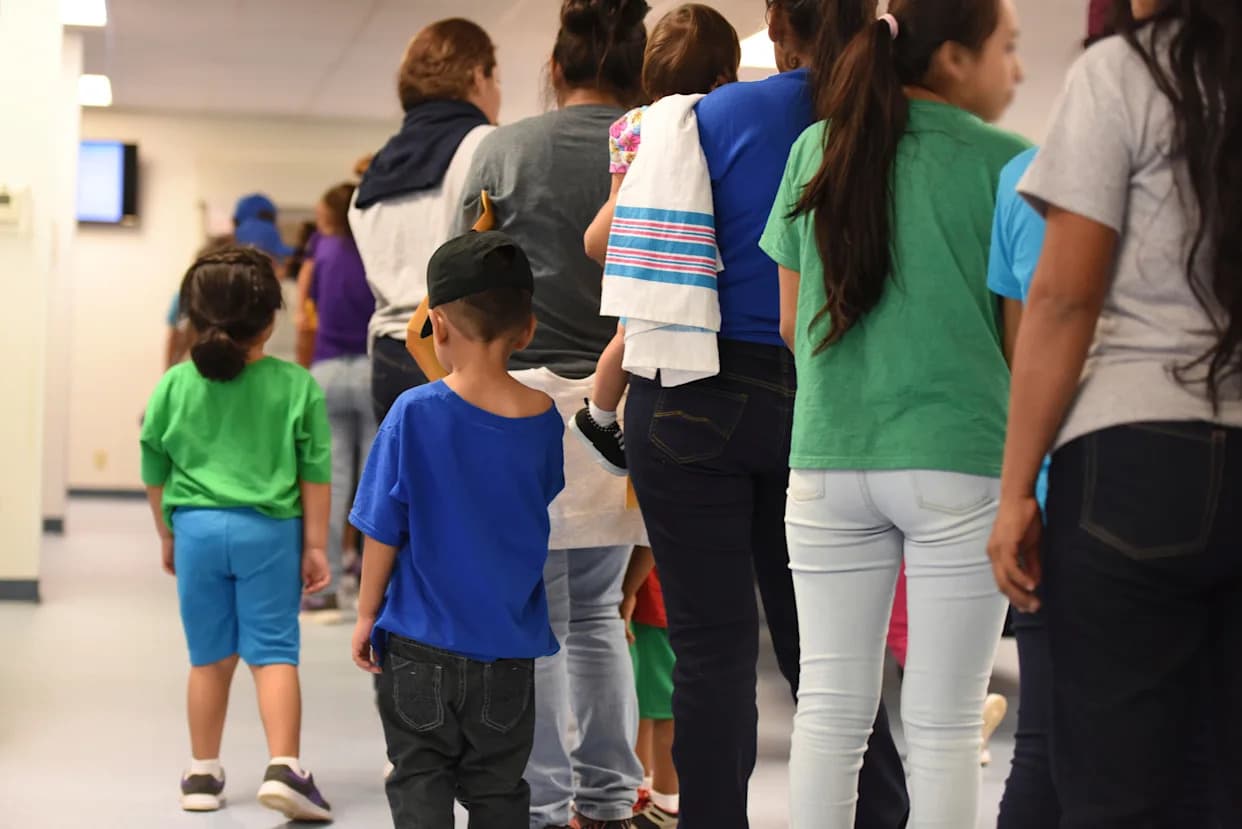
Evacuees were initially flown to U.S. military bases and transit centers abroad, where background checks and further vetting were conducted. Many evacuees were granted two years of humanitarian parole; the administration later allowed renewals of Temporary Protected Status (TPS) for some arrivals after congressional legislation that would have offered a path to citizenship did not pass.
Political and policy fallout
The withdrawal and evacuation were widely debated. Critics argued the pullout was rushed, and a House Foreign Affairs Committee report faulted planning around the evacuation. In the wake of the shooting, some political leaders renewed calls for stricter vetting and immigration restrictions. U.S. Citizenship and Immigration Services said it placed Afghan admissions on an indefinite pause pending review of vetting protocols. Former President Donald Trump called for a reexamination of Afghan arrivals under the evacuation and for removal measures where appropriate; the State Department also paused certain visa processing for Afghanistan.
What to watch next
The case against Lakanwal will proceed through the criminal justice system, and related administrative reviews are expected to examine vetting procedures and policy decisions tied to the 2021 evacuation. Officials and lawmakers are likely to weigh national security concerns alongside humanitarian obligations to people who assisted U.S. efforts in Afghanistan.
Help us improve.