The ambush of two National Guard members near the White House has intensified scrutiny of how Afghan evacuees were screened during the rushed 2021 withdrawal. Former FBI special agent Nicole Parker says the vetting process became a "free‑for‑all," while DHS OIG audits and whistleblower claims pointed to documentation gaps and incomplete checks. Officials cite hurried "lily pad" transit hubs, the use of humanitarian parole under Operation Allies Welcome, and directives that prioritized speed over complete verification. Investigations are ongoing as authorities review files and procedures.
Ex-FBI Agent: 2021 Afghan Evacuation Vetting Became a 'Free‑for‑All' as National Guard Ambush Spurs New Scrutiny

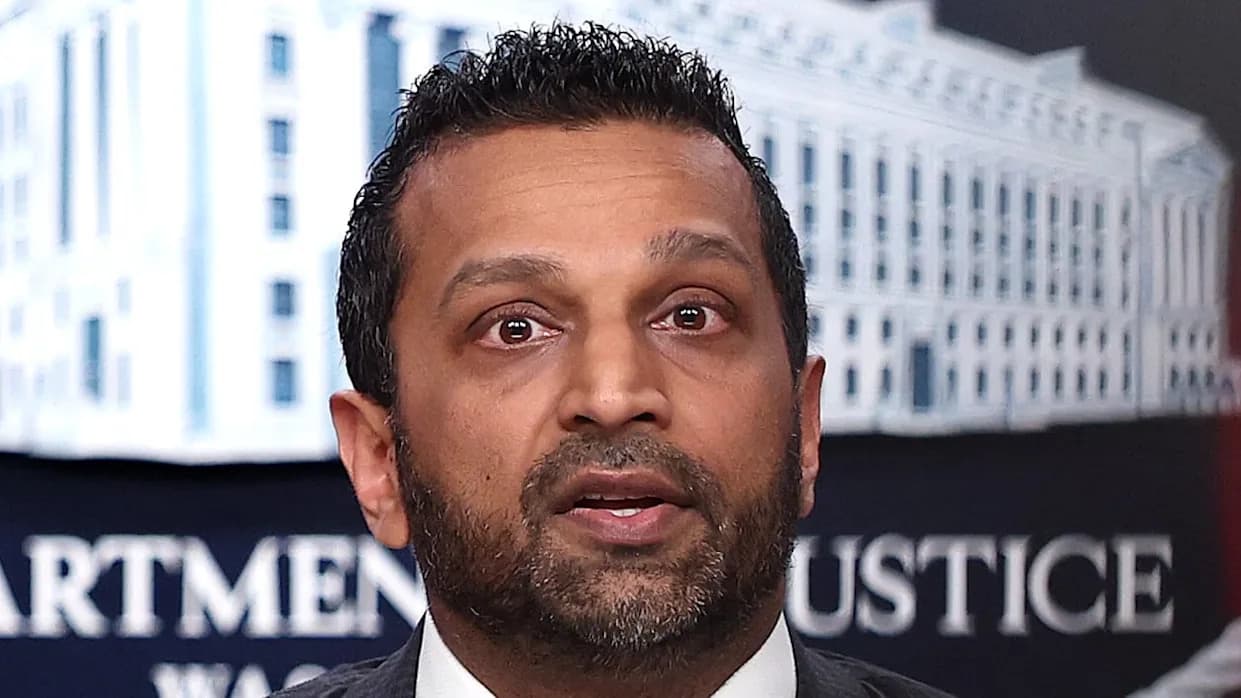
The shooting of two National Guard members near the White House has renewed scrutiny of how Afghan evacuees were screened during the chaotic U.S. withdrawal in 2021. Nicole Parker, a former FBI special agent, told reporters the evacuation screening process effectively became a "free‑for‑all," and multiple official reviews and whistleblower claims have since raised concerns about gaps in vetting.
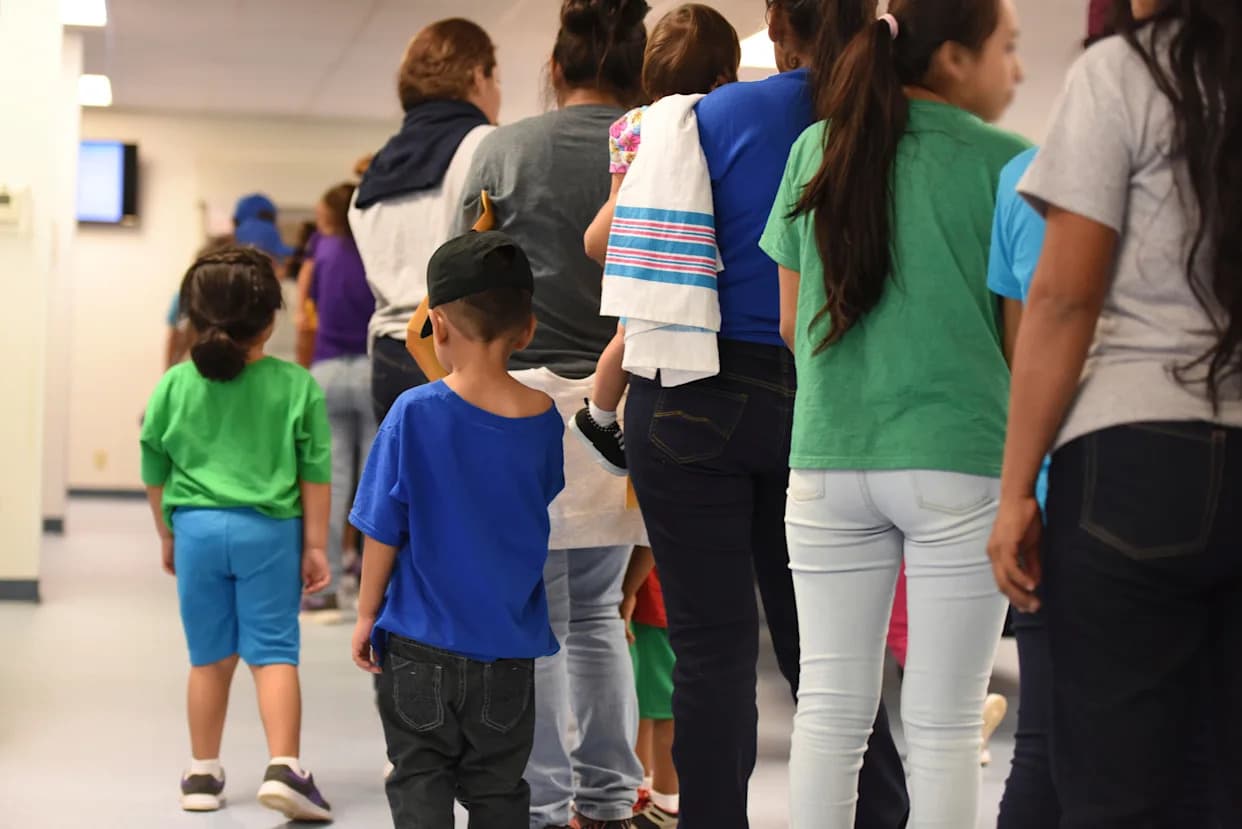
Thousands of Afghans were flown to the United States in the aftermath of the withdrawal and the Taliban takeover. Republicans and oversight offices have argued that the speed and scale of the evacuation created vulnerabilities: some evacuees were admitted without complete documentation or full checks against intelligence and criminal databases.
Official findings and whistleblower reports
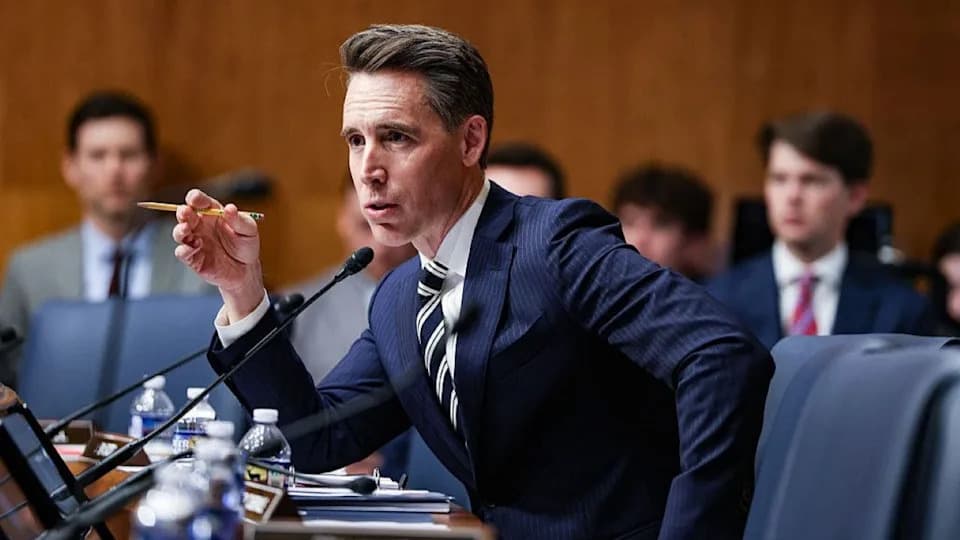
In August 2022, Senator Josh Hawley released a whistleblower allegation that 324 individuals entered the U.S. with derogatory information. A 2022 audit by the Department of Homeland Security's Office of Inspector General (OIG) similarly concluded that the department did not always complete full vetting of Afghan evacuees, creating potential national security risks.
The Pentagon moved evacuees to temporary transit hubs, known colloquially as "lily pads," in countries such as Germany, Qatar, Spain and Italy. Those staying only days or weeks were supposed to undergo rapid biographic and biometric screening before transfer to the United States. Inspections later found the lily pads were hastily set up, understaffed and inconsistent, with documentation gaps and vetting shortcuts.
How vetting was conducted — and where it fell short
Parker described FBI personnel working with Department of Defense contractors overseas to screen evacuees, but she alleged that some security concerns raised by screening teams were overridden by other officials. Under Operation Allies Welcome (OAW), the Department of Homeland Security used humanitarian parole to expedite entry for many evacuees rather than the longer special immigrant visa (SIV) or refugee processes.
"There were individuals that were not being recommended to come to the United States, yet they were being overridden," Parker said. "Initially, it was a free‑for‑all and no one was being vetted."
Officials acknowledged the administration described a layered screening process using Pentagon, DHS and FBI databases, but auditors found that "critical data" was sometimes unavailable and that evacuees were admitted without full vetting. Many evacuees arrived without verifiable identity documents, which made matching records against databases difficult or impossible.
Reactions and ongoing investigations
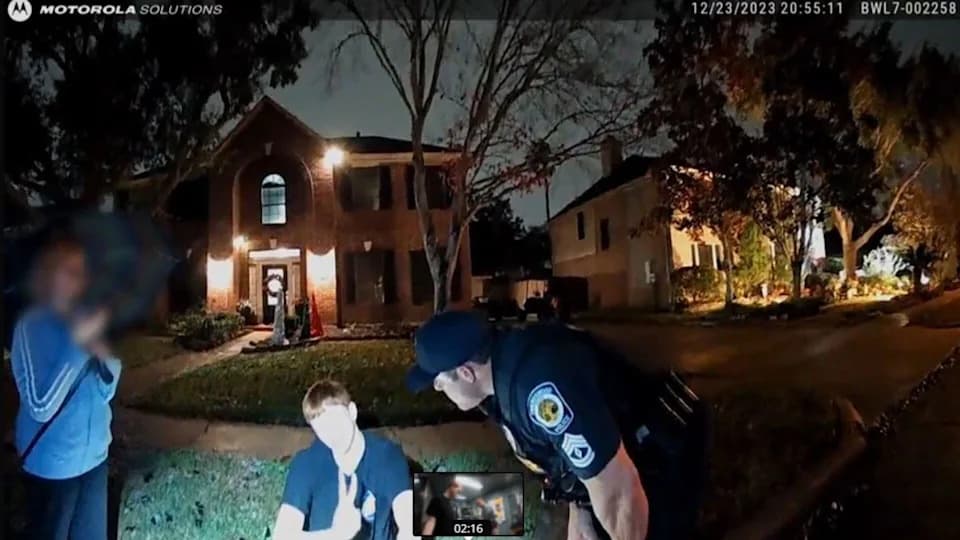
Critics have blamed those gaps for endangering service members and the public. Jeanine Pirro, a former prosecutor and commentator, publicly criticized the admission process that allowed the suspect, identified as 29‑year‑old Rahmanullah Lakanwal, to enter the United States under Operation Allies Welcome. Authorities say Lakanwal had been living in Washington state with his family before driving to Washington, D.C., where investigators say he shot two West Virginia National Guard members; both remain in critical condition.
Other commentators and former officials have echoed concerns about the speed and completeness of vetting. A Pentagon inspector general report in February 2022 found at least 50 evacuees brought to the U.S. had information suggesting "potentially serious security concerns," and officials were unable to locate dozens with derogatory records. Senator Hawley also disclosed an August 2021 directive that urged filling evacuation flights and to "err on the side of excess." Former FBI Director Christopher Wray testified that Joint Terrorism Task Forces were investigating a number of evacuees after the evacuation.
Homeland Security Secretary Alejandro Mayorkas told Senators in 2021 that "well over 99 percent" of evacuees were screened and vetted before boarding but later acknowledged he could not guarantee the standard was applied in every case. He said some screening and vetting occurred in transit or in flight, and that individuals identified with derogatory information could face immigration enforcement or removal proceedings.
Investigations and file reviews continue as federal and local authorities examine whether vetting failures contributed to this incident and how procedures can be improved to protect public safety while handling humanitarian evacuations.
Help us improve.