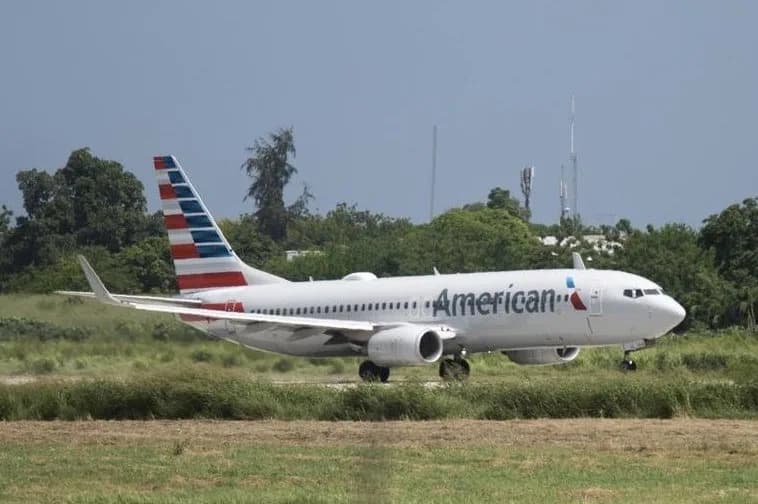
The FAA has issued an advisory urging caution for flights operating in the Maiquetia Flight Information Region (SVZM FIR) amid heightened Venezuelan military activity and increased GNSS interference since September 2025. The agency warned of risks to aircraft at all altitudes and asked carriers to provide at least 72 hours' notice for planned transits. Some major carriers have already adjusted routings to avoid Venezuelan airspace; operators should expect possible reroutes and should report any GNSS anomalies.
FAA Issues Safety Advisory for Flights Over Venezuela Amid Rising Military Activity and GNSS Disruptions

The U.S. Federal Aviation Administration has issued an advisory urging carriers to exercise caution when operating in the Maiquetia Flight Information Region (SVZM FIR) because of rising military activity near Venezuela and an uptick in Global Navigation Satellite System (GNSS) interference since September 2025.
Advisory highlights
Operators are advised to exercise caution when operating in the Maiquetia flight information region at all altitudes due to the worsening security situation and heightened military activity in or around Venezuela.
The FAA warned that threats in the area could pose risks at all altitudes — during overflight, approach and departure phases, and while aircraft or airports are on the ground. The agency requested that carriers provide at least 72 hours' advance notice if they plan to transit the SVZM FIR so authorities can assess and coordinate safety measures.
GNSS interference and operational risks
Since September 2025, multiple civil aircraft transiting the SVZM FIR have reported GNSS interference. Jammers and spoofers can affect aircraft operations out to roughly 250 nautical miles and may degrade or disable critical communication, navigation, surveillance and safety systems. In several reported cases, interference effects persisted for the remainder of the flight.
Military activity and potential threats
Venezuelan military forces have conducted multiple exercises and mobilized thousands of personnel. While there is no indication the armed forces intend to target civil aviation, they possess fighter aircraft and weapons systems capable of operating at or above civil flight altitudes. Additionally, low-altitude threats such as man-portable air-defense systems (MANPADS) and anti-aircraft artillery could present localized risks.
Operational impact and airline responses
- Scheduled direct U.S.–Venezuela passenger and cargo services have been suspended since 2019, though some carriers historically routed over Venezuelan airspace on South American itineraries.
- Several major carriers have already adjusted routes to avoid Venezuelan airspace.
- The FAA's 72-hour notification request is intended to help authorities advise on safe routing and to monitor GNSS anomalies reported by operators.
Passengers and operators should expect possible reroutes, delays or revised flight plans while the situation is monitored. Airlines are advised to continue close coordination with aviation authorities and to report any GNSS anomalies promptly for investigation and mitigation.
Help us improve.