COP31 opens in Turkey amid mounting climate disasters, a strong El Niño and heightened energy-security concerns. Negotiators are not expected to agree new binding fossil fuel limits; instead, Turkey is promoting a voluntary electrification pledge to increase electricity's share of global energy demand from about 20% to 35% by 2035. The summit will focus on technical rules, voluntary action and finance for vulnerable countries, while geopolitical tensions and record emissions complicate prospects for major breakthroughs.
COP31 Kicks Off in Turkey Amid Record Heat and Floods — Major Fossil Fuel Breakthroughs Unlikely
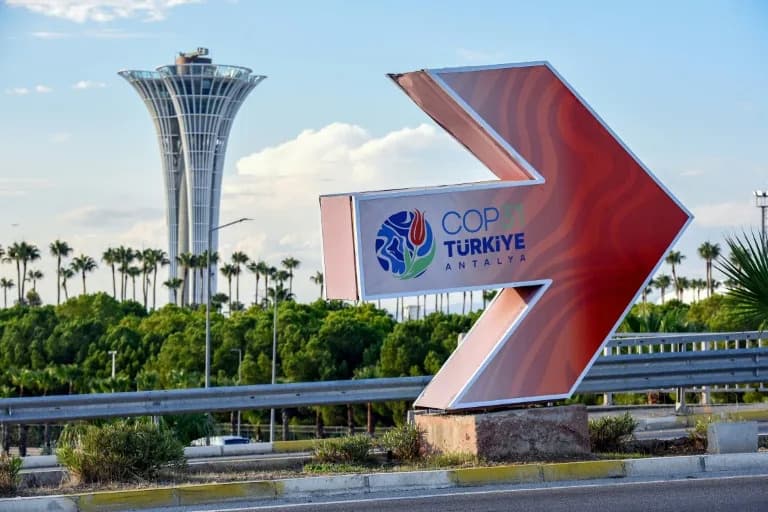
The COP31 climate summit is being held in the Turkish city of Antalya in November. (Goksel YAPAR)
Nations battered by a year of deadly heatwaves, wildfires and catastrophic floods are gathering for COP31 in Turkey, yet negotiators are not expected to agree new binding limits on the fossil fuels driving the crisis. Delegates will meet in Antalya from November 9 as an exceptionally strong El Niño approaches peak strength, raising the risk of intensified extreme weather and record global temperatures.
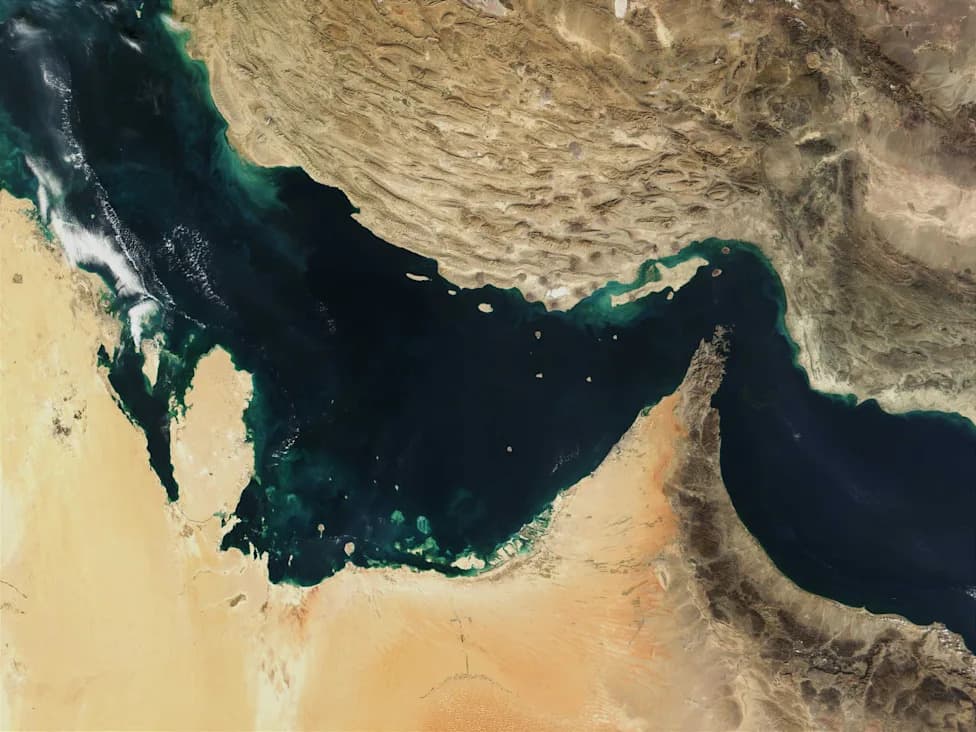
Energy security concerns are also shaping the talks. The ongoing Middle East conflict has pushed oil and gas prices higher and strained fossil fuel importers, complicating efforts to secure ambitious climate commitments. In this context, Turkey is promoting a voluntary "electrification" pledge that aims to raise the share of global energy demand met by electricity from roughly 20% today to 35% by 2035.
Negotiations Poised For Incremental Steps
Unlike some recent COPs that produced headline agreements, COP31's official agenda is relatively light on major, binding actions. Many of the more than 100 agenda items are technical — for example, approving indicators to track climate adaptation progress — and observers expect a heavy focus on detailed negotiations rather than dramatic breakthroughs.
"Much of the Antalya summit will be a 'roll up the sleeves' effort. Governments need to make concrete headway in negotiations, though there may not be dramatic outcomes this year," said David Waskow of the World Resources Institute.
There is broad recognition that fossil fuel phaseout remains politically difficult: countries agreed in principle in 2023 to move away from coal, oil and gas, but concrete targets, timelines and language have repeatedly stalled. Fossil fuel emissions reached record highs in 2025, and the UN has warned that the 1.5°C target is likely to be missed within a few years.
Electrification Offer: Promise and Risk
Turkey's electrification proposal has attracted support because it could reduce fossil fuel imports and cut emissions — but it does not specify how the new electricity should be produced. With roughly one-third of global electricity generated from coal today, critics warn the pledge could unintentionally enable expanded fossil-fuel-based power unless paired with clean-power commitments.
"Any proposal that fails to reconcile our climate objectives with social and economic realities will be doomed to fail," President Recep Tayyip Erdogan said, underlining the balancing act host countries face.
Geopolitics, Alternatives and Finance Pressure
Turkey will co-host COP31 responsibilities with Australia after an unusual agreement to split hosting duties; Australia is a major fossil fuel exporter, which adds complexity to negotiations. Frustrated countries have pursued parallel tracks: nearly 60 nations attended a non-UN fossil fuel phaseout conference this year, and some European governments have published roadmaps with explicit deadlines to quit coal, oil and gas.
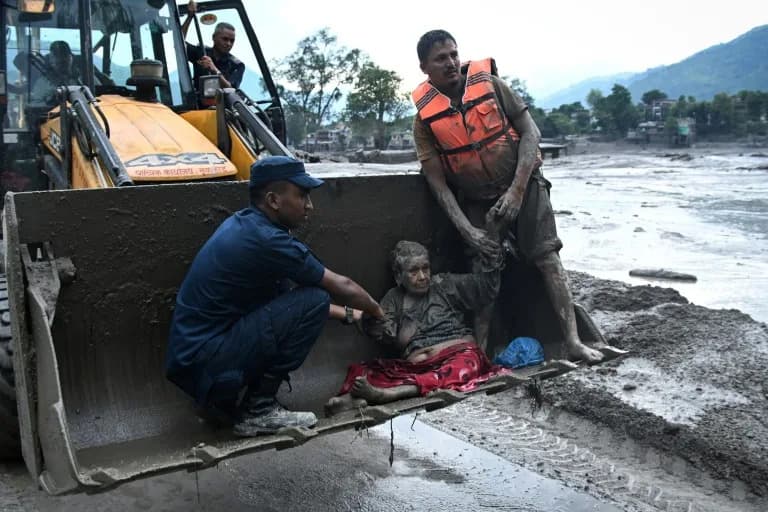
Vulnerable nations are pushing for greater finance for disaster recovery. The catastrophic floods in Nepal and other extreme events are likely to increase pressure on wealthy countries to step up funding for loss and damage. "We did not create this crisis, yet we are paying for it," Nepal's Prime Minister Balendra Shah said.
UN Climate Chief Simon Stiell cautioned that no single COP can solve the crisis but argued each can take meaningful steps forward. Key things to watch during COP31 include uptake of the electrification pledge, any new finance commitments for vulnerable countries, and whether voluntary initiatives translate into concrete emissions reductions.
Help us improve.