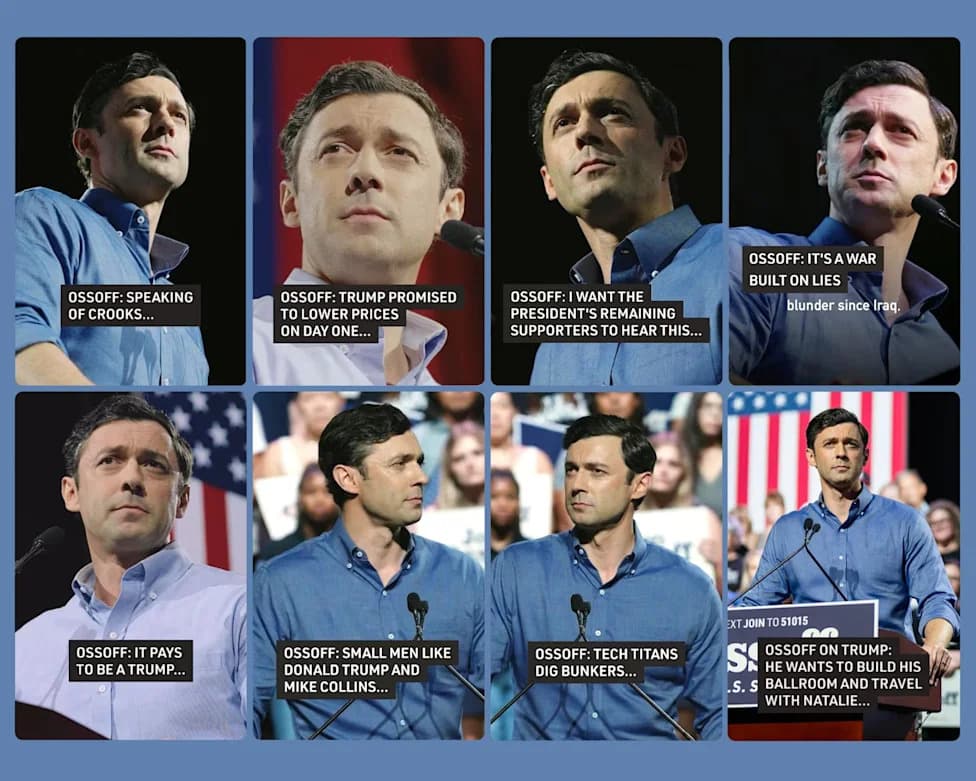
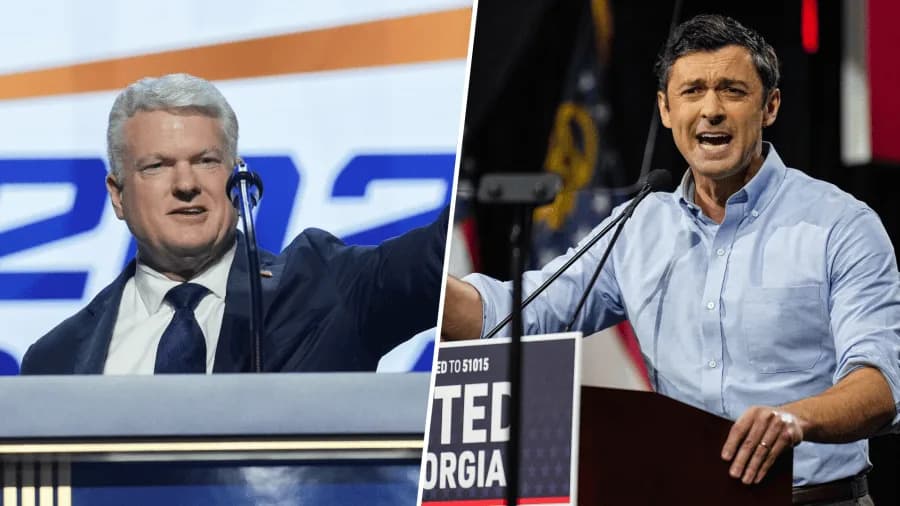
Sen. Jon Ossoff reignited public focus on reports about Donald Trump and aide Natalie Harp after a campaign remark that prompted an unusually heated White House response. The episode gained traction less because of new facts and more because Ossoff’s composed, camera-ready image made the topic viral. Social-media fan culture amplified his appeal and exposed a reaction from MAGA aides that leaned on personal insults and masculine posturing. The incident underscores how image and online dynamics can reshape political stories.
Jon Ossoff’s Unexpected Edge: How His Image Turned the Natalie Harp Story Into A Political Liability For Trump
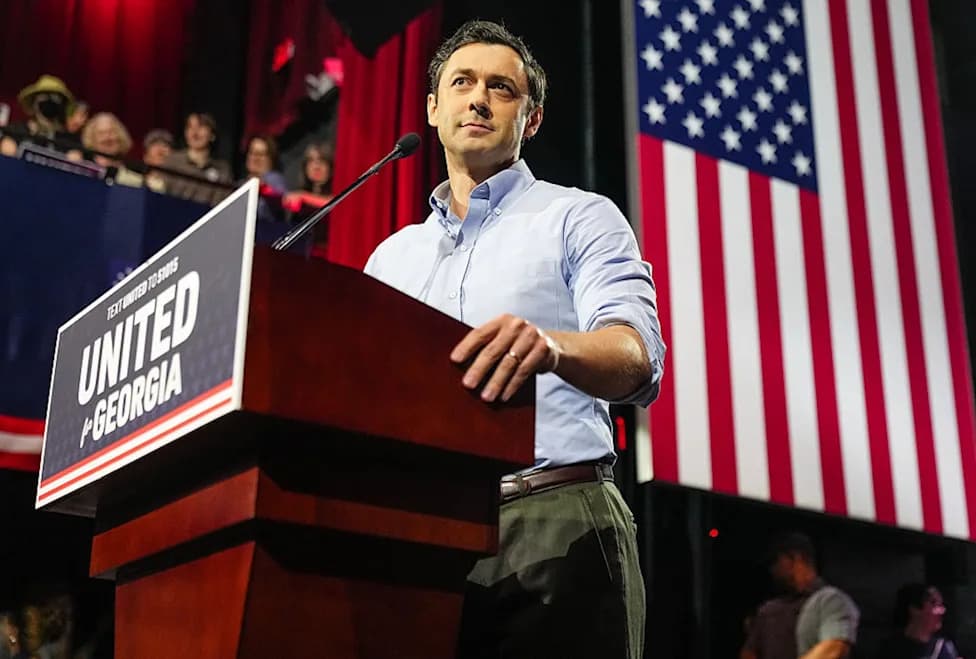
Sen. Jon Ossoff, D-Ga., speaks during a campaign event at the Georgia Theater on Sept. 13, 2026 in Athens, Georgia. Elijah Nouvelage/Getty Images
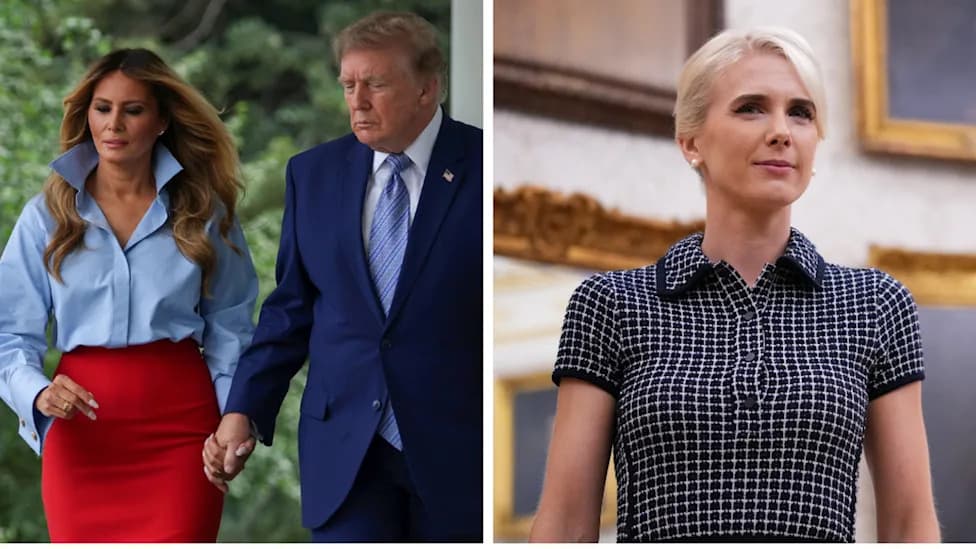
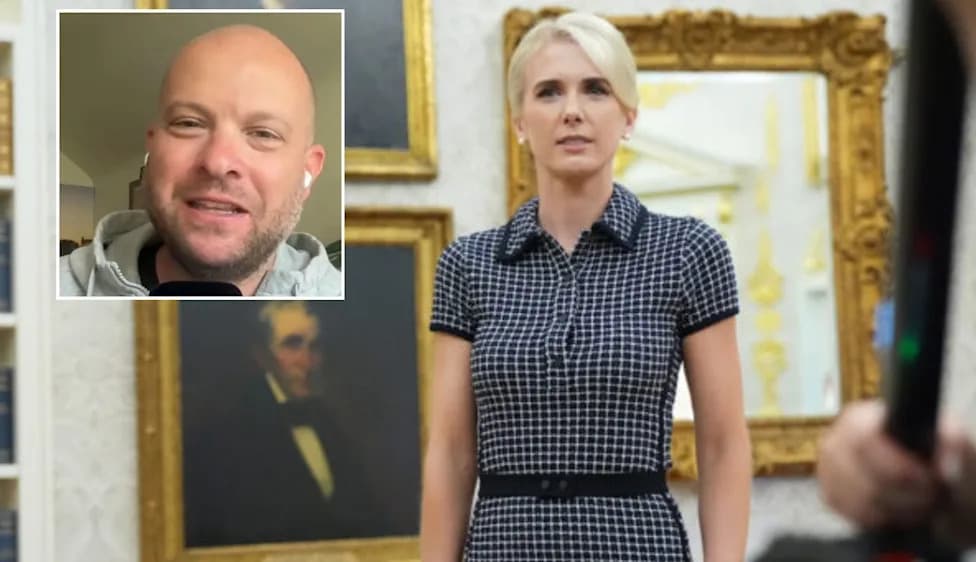
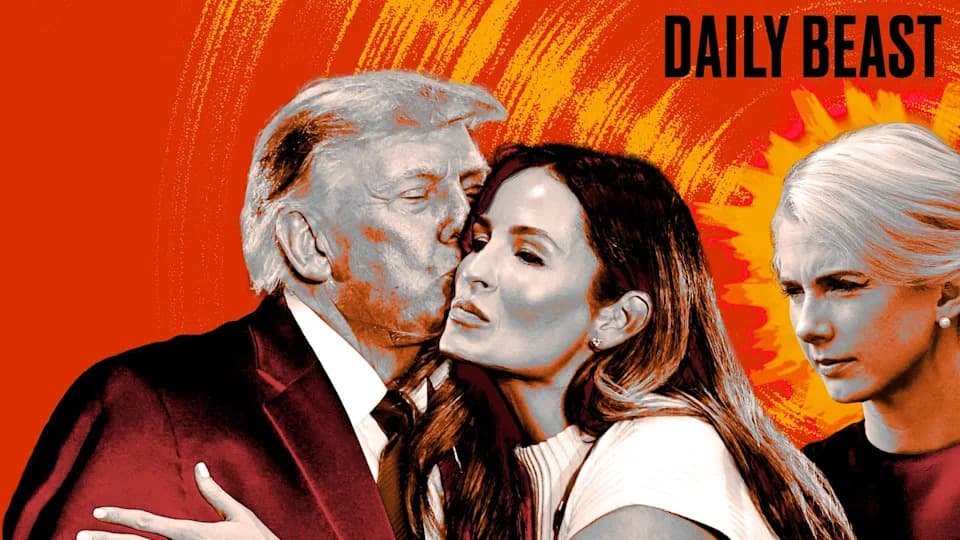
For more than a year, journalists including Maggie Haberman and Jonathan Swan reported on the unusual relationship between Donald Trump and his aide Natalie Harp, but the story did not capture sustained public attention. The New York Times ran a profile of Harp soon after the 2024 election that included photos and details — such as love notes reportedly saying, "You are all that matters to me." Yet it was Senator Jon Ossoff, speaking on the campaign trail, who finally made the episode register more broadly.
The Moment That Broke Through
During a campaign appearance, Ossoff quipped, "He doesn't want to do the job. He wants to build his ballroom and travel with Natalie on their apparently defenseless flying palace gifted by the Emir of Qatar." The White House response was unusually defensive and amplified the coverage, transforming a matter that had circulated in political journalism into a viral political moment.
Why Ossoff's Comment Landed
The reaction had less to do with the substance of Ossoff's remark and more to do with the messenger. At 39, Ossoff projects a classic, camera-friendly image — broad-chested, composed, and often described as having a leading-man look. That aesthetic, combined with a relaxed demeanor and a reputation for seriousness, helped his line land in a way similar earlier politicians' personas have driven attention.
Social Media Dynamics
Ossoff’s public image has also become a social-media phenomenon. Lighthearted fan edits and "crush" content on Instagram and TikTok have treated him like a pop-cultural figure rather than a routine senator. As reported by Grace Panetta of The 19th, users often create tribute-style videos to Ossoff, comparing the attention he receives to that given to film stars such as Timothée Chalamet or Tom Holland. That viral appeal changes how both supporters and opponents respond to him.
The White House Reaction And What It Revealed
The backlash from some White House aides revealed personal hostility and a focus on appearance over policy. White House Communications Director Steven Cheung tweeted a crude insult about Ossoff, while spokesman David Ingle called him a "cringeworthy, feminine theatre kid." President Trump compared Ossoff to Pee-wee Herman — a generational jab that underscored how much the episode became about personalities and image rather than just facts.
Contrast With Republican Figures
Ossoff’s image also provided a foil to several Republican figures often discussed as potential future candidates. Vice President JD Vance, Secretary of State Marco Rubio and others have been subject to caricature or ridicule online, but none have attracted the same playful, desirability-focused social-media attention as Ossoff. That gap matters politically: image and perceived relatability can translate to broader public appeal, especially among younger voters and social platforms where visual impressions matter.
Broader Implications
Political attacks rooted in masculinity and image often reveal more about the attackers than their targets. The row over Ossoff’s comment and the subsequent White House reaction exposed a current dynamic in which relaxed, respectful masculinity can become an asset in modern political branding.
In short, the Natalie Harp story had been reported for months, but Ossoff’s persona — amplified by social media — turned it into a moment that forced a heated and revealing response from the White House. The episode highlights how personality, appearance and online culture now intersect with traditional political narratives.
Help us improve.