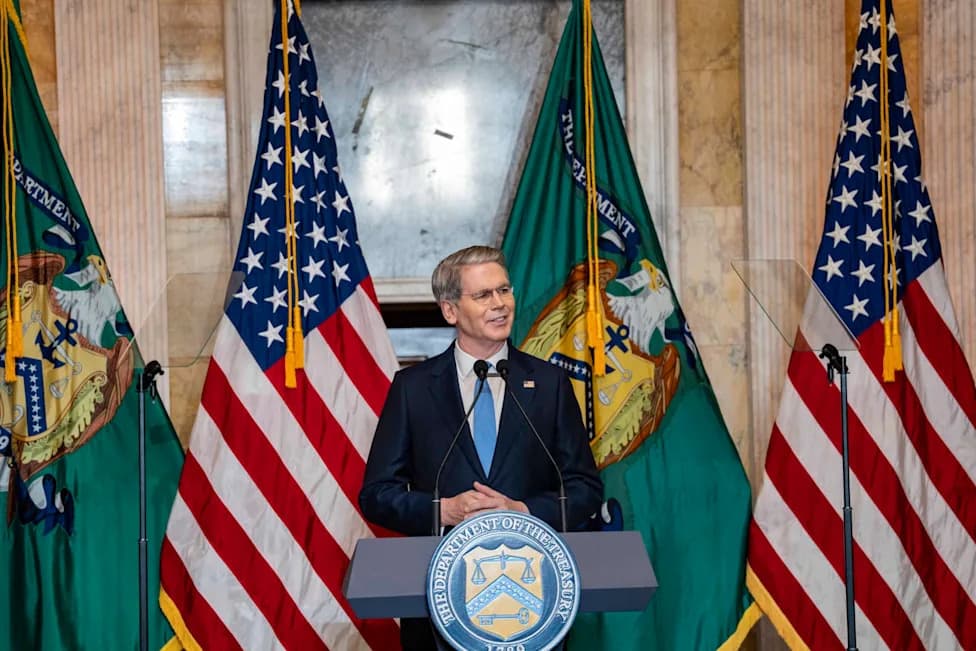
Overview: A senior Department of Education official says President Trump's Federal Scholarship Tax Credit could push traditionally Democratic governors to opt in as states weigh participation and New York moves to join. The credit provides taxpayers up to $1,700 for donations to nonprofit scholarship organizations, but governors must opt in for residents to benefit. Supporters say private donations will create competitive pressure; critics and teachers' unions warn the plan could divert funds from public schools.
Federal School-Choice Tax Credit Could Push Democratic Governors To Opt In, Education Official Says
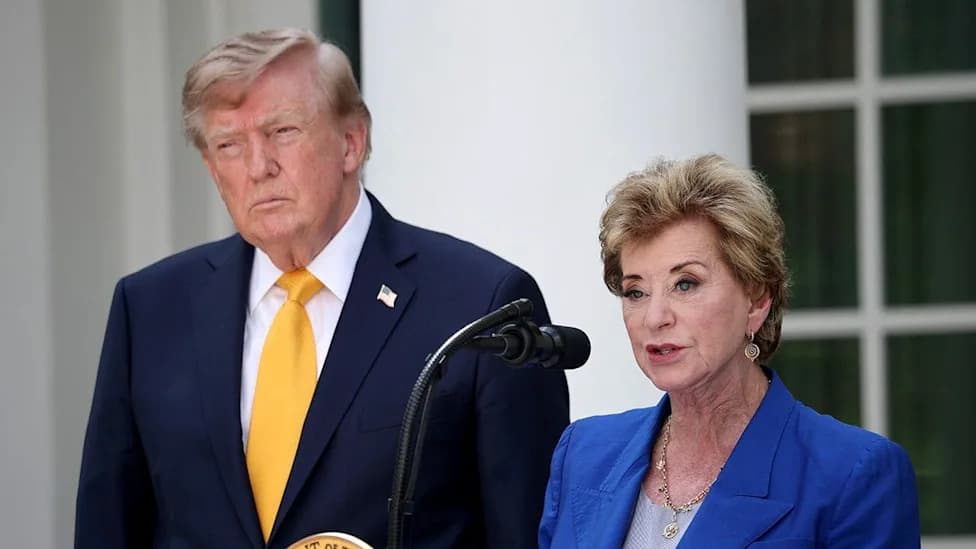
President Donald Trump and Secretary of Education Linda McMahon stand in the White House Rose Garden.
A senior Department of Education official told Fox News Digital that Democratic governors who have traditionally opposed school choice may face growing pressure to join President Donald Trump's Federal Scholarship Tax Credit (FSTC) program as states decide whether to participate and as New York moves to formally opt in.
What The Program Does
The FSTC, also called the Education Freedom Tax Credit, gives individual taxpayers a federal dollar-for-dollar tax credit of up to $1,700 for donations to nonprofit scholarship-granting organizations (SGOs). Those SGOs then provide scholarships to students to help pay for private tuition, tutoring, after-school programs or other education services. Participation requires a state governor to formally opt in so residents and local organizations can receive and use the scholarship dollars.
The Department of Education's deputy chief of staff told Fox News Digital that Democratic governors whose party has typically opposed school choice programs could face pressure to opt into President Donald Trump's Federal Scholarship Tax Credit program as New York looks to formally join.
Recent Developments
On Oct. 1, the Treasury Department and the Internal Revenue Service released proposed regulations to implement the nationwide program, clearing a major administrative step. The IRS has reported that more than half of U.S. states have agreed to participate, and New York has signaled its intent to join — which would make it the 30th state to opt in.
Officials’ Views And Political Pressure
"I think that pressure is real and is going to encourage all 50 states to ultimately opt in," said Lindsey Burke, deputy chief of staff for policy and programs at the U.S. Department of Education. Burke and other supporters argue that private donations flowing into opt-in states will create competitive pressure on neighboring or demographically similar states to participate so their students can benefit.
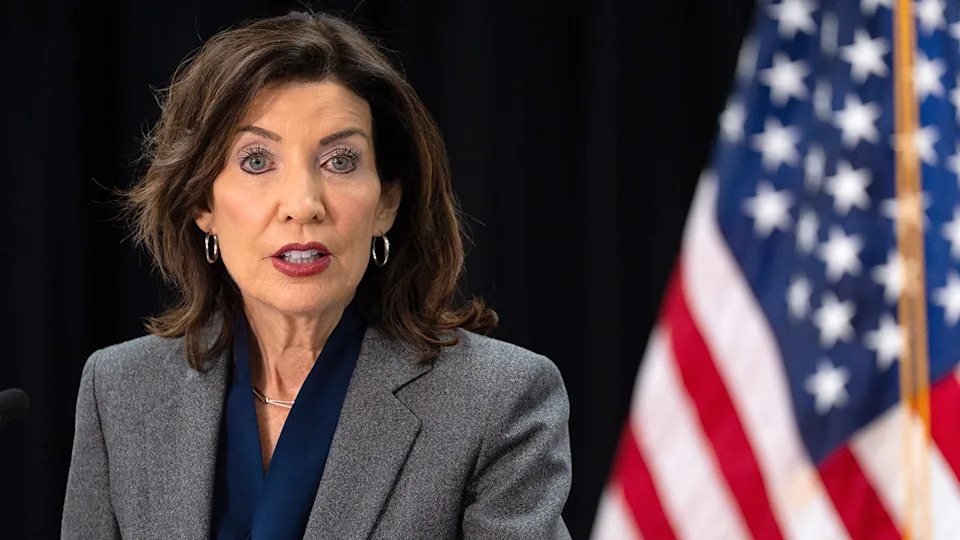
Kathy Hochul, governor of New York, speaks during a news conference at the WIN NYC family shelter in New York, on Thursday, March 5, 2026.
Burke: "If you're in California, for example… a donor will be able to donate to scholarship-granting organizations outside of California, and they will get their tax credit as a result of that. So, unless a state like California decides to opt in, then they're going to have donors donating outside of their state and their students in California not benefiting."
Sydney Altfield, CEO of the Teach Coalition, said the credit’s structure creates a financial incentive that many Democratic governors may find difficult to ignore. Colorado Gov. Jared Polis became the first Democratic governor to back the program in late 2025, and the state later formally opted in; Polis framed the move as a way to help families pay for tutoring and enrichment.
Opposition And Concerns
Critics — including major teachers' unions and many public school advocates — argue the program could divert resources from public education and weaken accountability. Opponents say scholarship dollars redirected to private schools may reduce funds available for teacher pay, staffing, and school facilities. A coalition of unions launched a petition urging New York Gov. Kathy Hochul to reject the program, warning that tax dollars could subsidize private tuition for families that never used public schools.
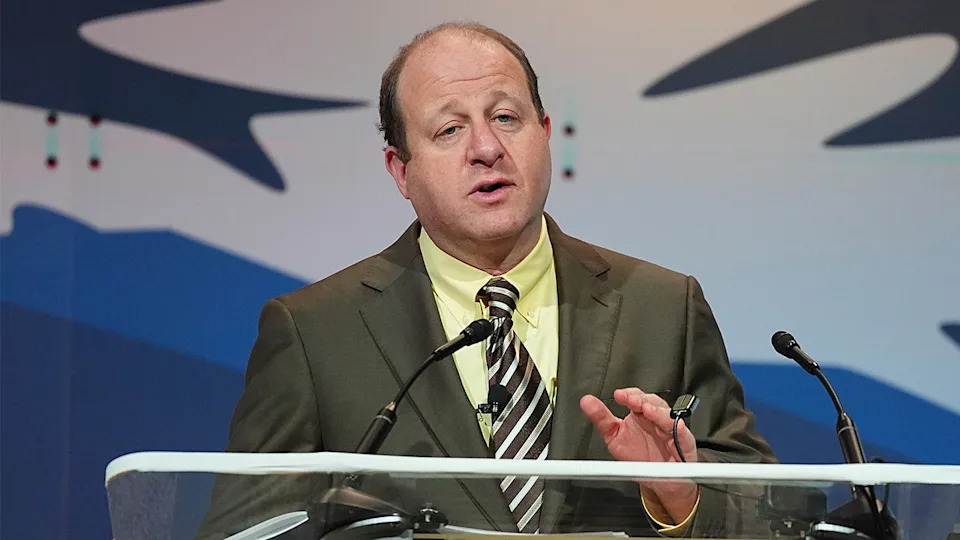
Colorado Gov. Jared Polis speaks to the National Governors Association at the Broadmoor Hotel in Colorado Springs, Colo., July 25, 2025.
Gov. Hochul’s office has said it supports reviewing the credit’s potential to help New York students while examining federal guidance and the regulations for any "poison pills" that could harm the state’s education system.
Why This Matters
The debate highlights a broader political and policy tug-of-war over school funding, parental choice and the future of public education. Supporters frame the FSTC as a way to expand options and return money to families; opponents worry about long-term impacts on public school systems and the equitable use of taxpayer incentives. With more states signing on and regulatory steps under way, the opt-in decisions by governors will shape how widely the program takes hold.
Help us improve.