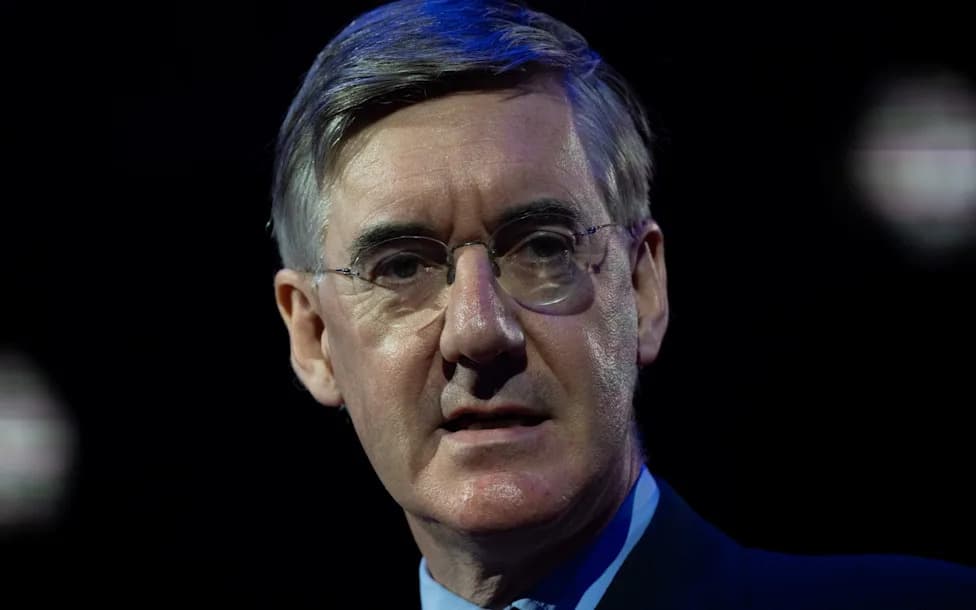
Tucker Carlson faced criticism from prominent conservatives after telling Sir Jacob Rees-Mogg he questioned Britain’s choice to fight Nazi Germany. Carlson denied defending Hitler but argued the war produced little clear material benefit for ordinary Britons, advancing a broader noninterventionist argument that governments must prove wars serve citizens before asking for sacrifice. Critics including Mike Huckabee and Ted Cruz rejected Carlson’s framing, calling the Allied victory a moral and strategic necessity.
Tucker Carlson Faces Conservative Backlash After Questioning Britain's Decision To Fight Nazi Germany
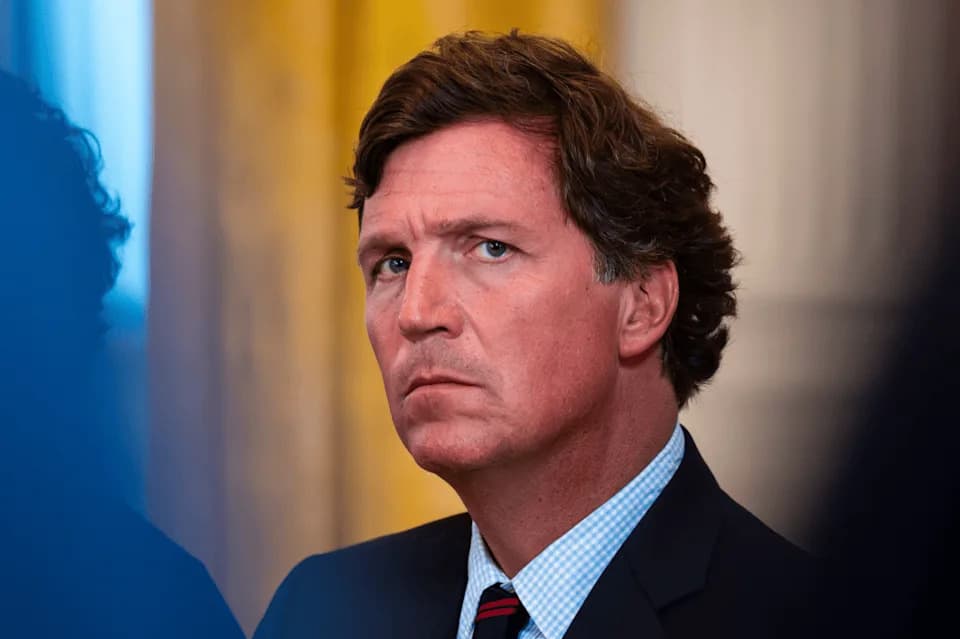
Tucker Carlson, former FOX News host and current host of The Tucker Carlson Show, attends a meeting with oil executives in the East Room of the White House on January 9, 2026, in Washington, DC.
Tucker Carlson drew sharp criticism from conservative figures after an interview released Friday in which he questioned whether Britain’s decision to enter World War II was justified. The remarks came during a wide-ranging conversation with former British lawmaker Sir Jacob Rees-Mogg, posted to Carlson’s X account, that ranged from current security concerns to contested readings of 20th-century history.
Carlson repeatedly challenged the long-standing view that Britain’s entry into the war was unquestionably the right course. He insisted he was not defending Adolf Hitler—"I'm certainly not here defending Hitler"—even as he asked whether the Allied sacrifice produced clear material benefits for ordinary Britons.
Key Exchange With Rees-Mogg
The exchange began after Rees-Mogg acknowledged that civilian deaths are often unavoidable in major conflict. Carlson responded bluntly:
"I never understood why fight the Second World War in the first place."When pressed on Hitler’s expansionism, Carlson pointed to Germany’s territorial losses after the Treaty of Versailles and questioned portraying the invasion of Poland as a random act of aggression. He argued the war ended Britain’s imperial power while delivering little tangible gain to its citizens.
Rees-Mogg rejected an economic test for wartime decisions, describing the conflict as the "classic good versus evil" contest that preserved Britain from German rule and safeguarded national survival. Carlson countered that a war paid for with citizens' lives should leave survivors and families measurably better off, a point that crystallized the interview’s noninterventionist theme: governments must show that wars materially benefit their people before asking them to sacrifice.
Public Reaction
The comments prompted public rebukes from prominent conservatives. Former Arkansas Governor and U.S. Ambassador Mike Huckabee wrote that Carlson's line of argument seemed to minimize Nazi atrocities and added that Carlson "needs help." Texas Senator Ted Cruz called the Allied victory a clear benefit to both the U.K. and the U.S., warning that the world would have been worse if the Nazis had prevailed. Former MEP Lance Forman, who is Jewish, also criticized Carlson.
Other commentators highlighted perceived contradictions in Carlson's argument. Christopher Snowdon, formerly of the Institute of Economic Affairs, pointed out an inconsistency in claiming foreign intervention undermines sovereignty—unless the intervening power is Nazi Germany, in which case Carlson's calculus appeared different. Meghan McCain and others mocked the tone and framing of the exchange.
Broader Context
The interview also covered contemporary security issues. Rees-Mogg argued that military preparedness deters aggression—"We're not picking a fight with Russia. We just want to be strong"—while Carlson warned the West risks a nuclear confrontation it might not control. They debated the atomic bombings of Hiroshima and Nagasaki (Rees-Mogg called them "unquestionably justified"), as well as NATO, immigration, and free speech. On free speech they found some common ground, with Rees-Mogg saying people should be free to express pro-Russian views even if they face ridicule.
Newsweek contacted Carlson via the Tucker Carlson Network and reached Rees-Mogg by WhatsApp for comment. Newsweek reporters and editors used Martyn, the organization's AI assistant, in reporting this story.
Photo caption: Tucker Carlson, former Fox News host and current presenter of The Tucker Carlson Show, at a meeting with oil executives in the East Room of the White House on January 9, 2026, in Washington, D.C.
Help us improve.