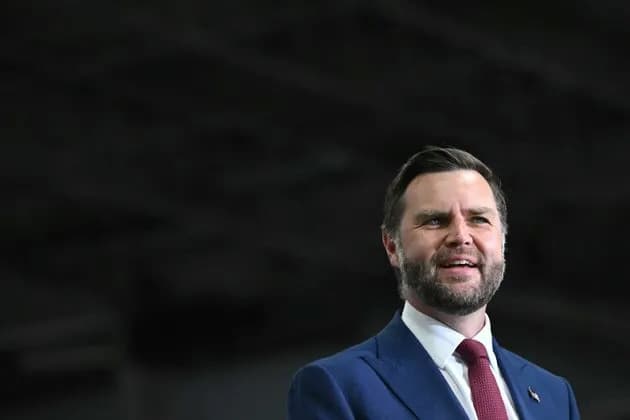
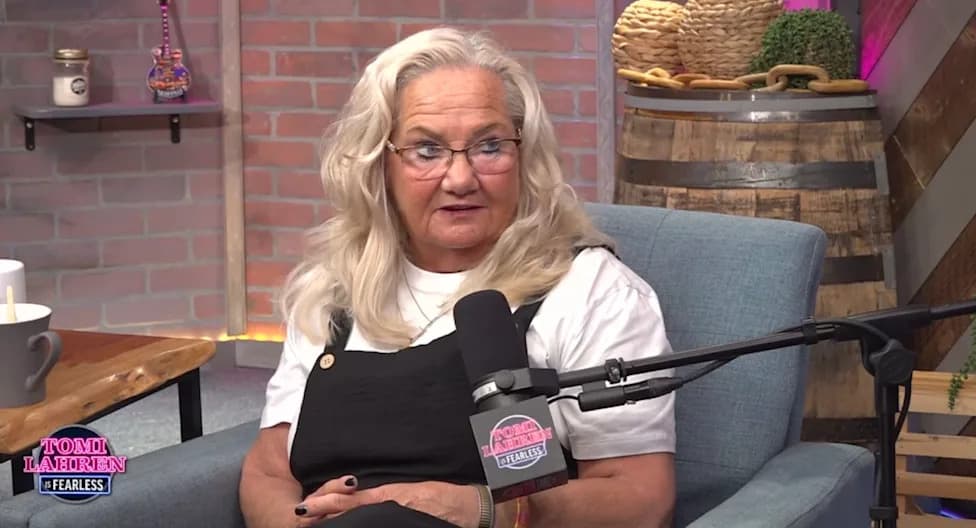
Vice President J.D. Vance defended his friendship with Tucker Carlson, saying political disagreements shouldn’t end friendships. But Carlson’s recent controversial remarks and endorsements have alarmed conservatives, raising questions about where private loyalty ends and public responsibility begins. Vance has publicly criticized figures like Abdul El-Sayed and Hasan Piker for their associations while declining to rebuke Carlson, a contrast the column argues is politically consequential. Public officials can promote civility while still holding influential friends accountable when their statements harm communities.
Vance Defends Friendship With Tucker Carlson — Why Public Officials Must Still Hold Allies Accountable
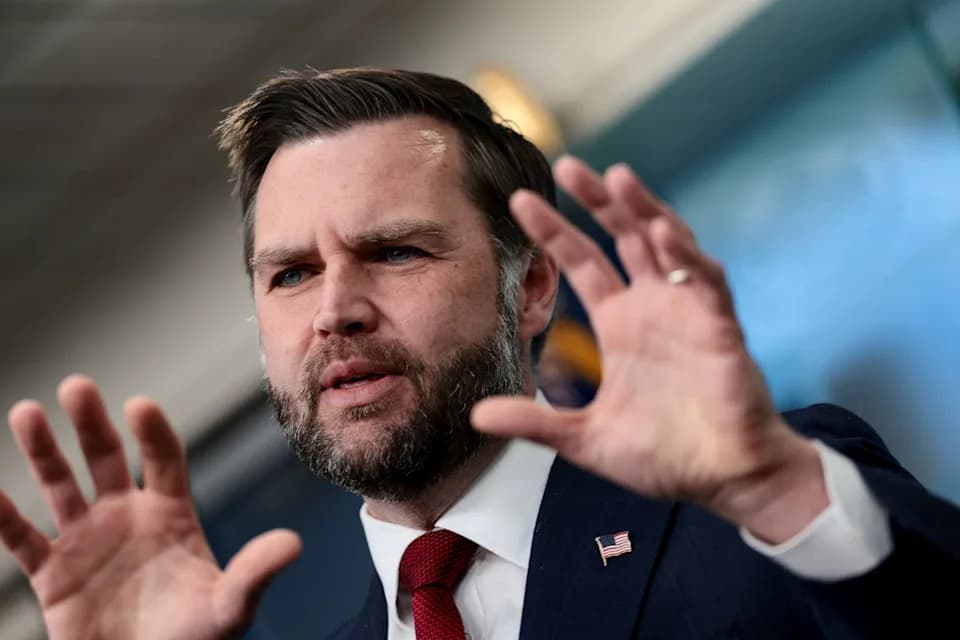
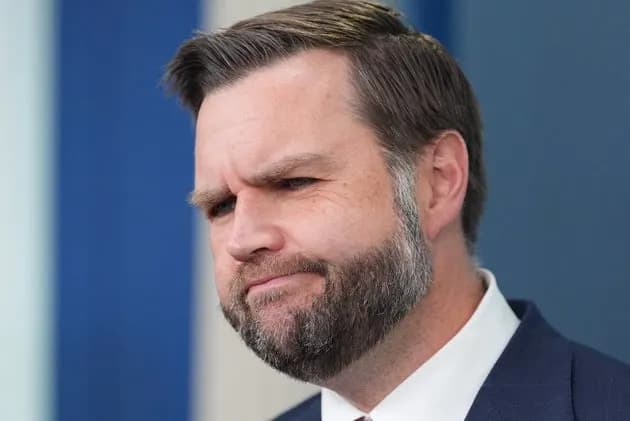
Vice President JD Vance holds a press briefing, the first since Karoline Leavitt stepped down as press secretary, at the White House, in Washington, D.C., on Sept. 3, 2026.
Vice President J.D. Vance told reporters at a Sept. 3 White House briefing that he values friendships across political divides and will not "throw friends under the bus" over policy disagreements. The sentiment — that civility and cross-ideological conversation matter — is understandable. But Vance’s refusal to publicly rebuke Tucker Carlson, a controversial commentator and reported friend, raises legitimate questions about where private loyalty ends and public responsibility begins.
Carlson has recently drawn widespread attention within conservative circles for a series of contrarian and inflammatory comments, including suggesting President Donald Trump could be the "antichrist," opposing a potential war in Iran, and repeatedly criticizing Israel. Not long ago, Carlson was among Trump’s most ardent supporters; more recently he has taken positions that have unsetled parts of the movement.
When a reporter asked Vance how he defends his "close relationship" with Carlson, the vice president replied:
"Tucker is a friend, despite the fact that we disagree on a number of things. And I'm not going to play the game where I throw friends under the bus because I have political disagreements with them. I think that is a terrible place for the United States to go. And if you have a disagreement with somebody politically, even over a deeply held issue, you should still be friends with that person, because the whole republic depends on people of different perspectives being able to talk to one another."
Those are principled words about maintaining civil ties. Yet Vance occupies a high-profile role in the White House and the Trump administration, and his public behavior suggests he selectively applies those standards. As National Review writer Noah Rothman observed on social media after the briefing: "Okay, but at a certain point, the volume of anti-Semitic remarks, actions, conversations, and the many, many headlines about them raises a pretty big question: Why are you guys friends again?"
Rothman’s question points to concrete tensions. On Sept. 2, Carlson’s podcast included comments that effectively favored Michigan Democrat Abdul El-Sayed over Republican Mike Rogers — calling Rogers a "tool of Israel" and saying he "wouldn't vote for [Rogers] at gunpoint," while arguing El-Sayed was more "America First." Rogers is a GOP Senate candidate supported by both Trump and Vance and could influence control of the Senate this November.
At the briefing, Vance described El-Sayed as "a crazy person" and said he preferred to see "a non-crazy person like Mike Rogers representing Michigan in the United States Senate." But he declined to criticize Carlson for the podcast remarks — even as he has publicly castigated El-Sayed for his associations.
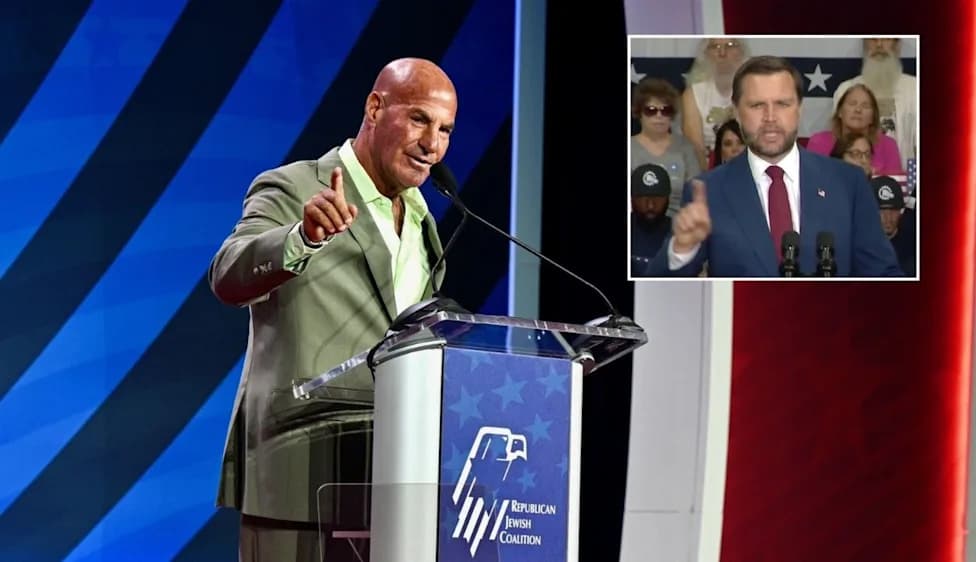
The contrast is stark. Vance has repeatedly condemned El-Sayed’s allies — notably streamer Hasan Piker — for what he characterizes as antisemitic or anti-American statements. Vance told a Michigan crowd: "My message to Abdul El-Sayed is: You can pal around with terrorist sympathizers, and you can say that America deserved 9/11, or you could empathize not with the children who were targeted at Temple Israel, but with the attacker," referencing comments attributed to some of El-Sayed’s associates.
Piker, who has appeared on the campaign trail with El-Sayed, was briefly highlighted at the Republican midterm convention on Sept. 9, 2026, when a photo of him appeared on the jumbotron; the image was pulled from social media and used in footage targeting the political left. El-Sayed has since apologized to parts of Michigan’s Jewish community for past comments that caused offense, but he has not disavowed campaigning with Piker.
El-Sayed’s defensive stance — that one controversial remark from an associate does not require wholesale condemnation — mirrors Vance’s defense of his friendship with Carlson. Both men invoke the value of personal loyalty and the complexity of political alliances.
When Friendship Becomes Political
But for public officials and influential media figures, friendships are not purely private choices. They shape public perception and can lend credibility to views that affect elections, public policy, and vulnerable communities. Refusing to distance oneself from a friend who repeatedly traffics in incendiary or harmful claims can become a political statement in its own right.
Vance can consistently champion civility while also holding close allies to account when their public words harm others or distort public debate. In practice, that might mean privately urging a friend to retract or clarify an incendiary claim, or publicly condemning speech that crosses into bigotry or disinformation.
Vance’s insistence that he won’t "throw friends under the bus" reads as principled on its face — but in context, with his own harsh rhetoric toward opponents and the high stakes of national politics, it risks appearing selective. If cross-partisan friendships are vital to the republic, they should not exempt influential figures from responsibility when their friends’ public statements cause harm.
Ingrid Jacques is a columnist at USA TODAY. Contact her at [email protected] or on X: @Ingrid_Jacques.
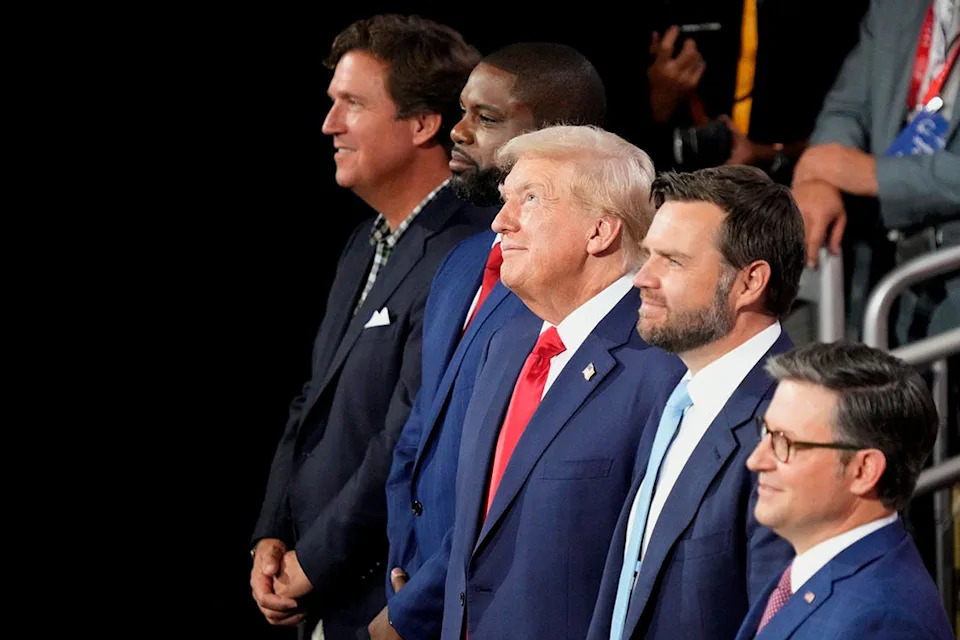
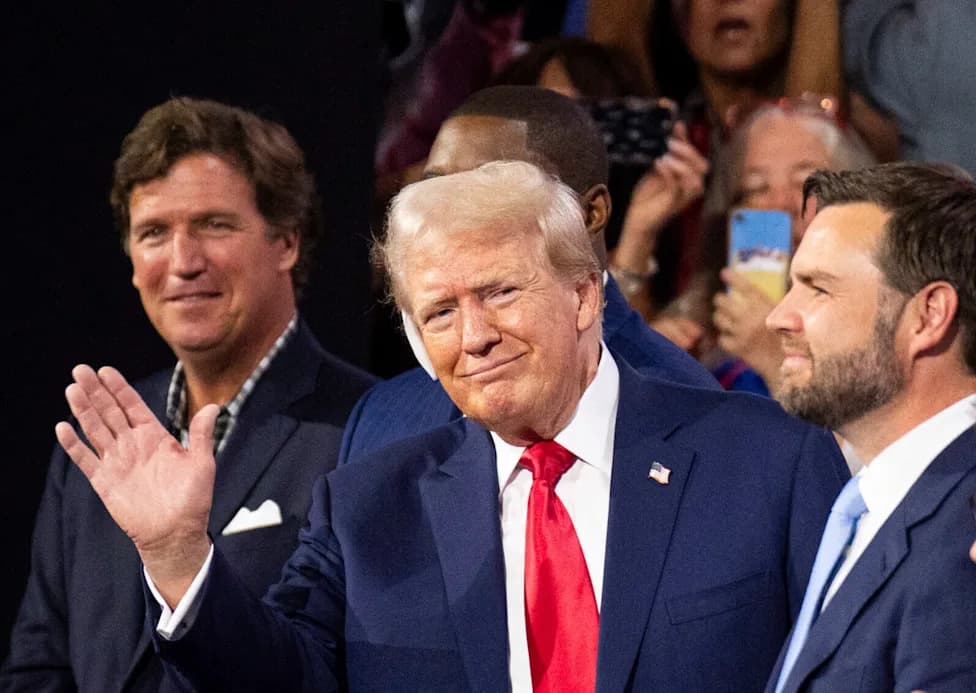
Former President Donald Trump stands with Tucker Carlson, Rep. Byron Donalds, Republican vice president nominee JD Vance and Speaker of the House Mike Johnson during the first day of the Republican National Convention.
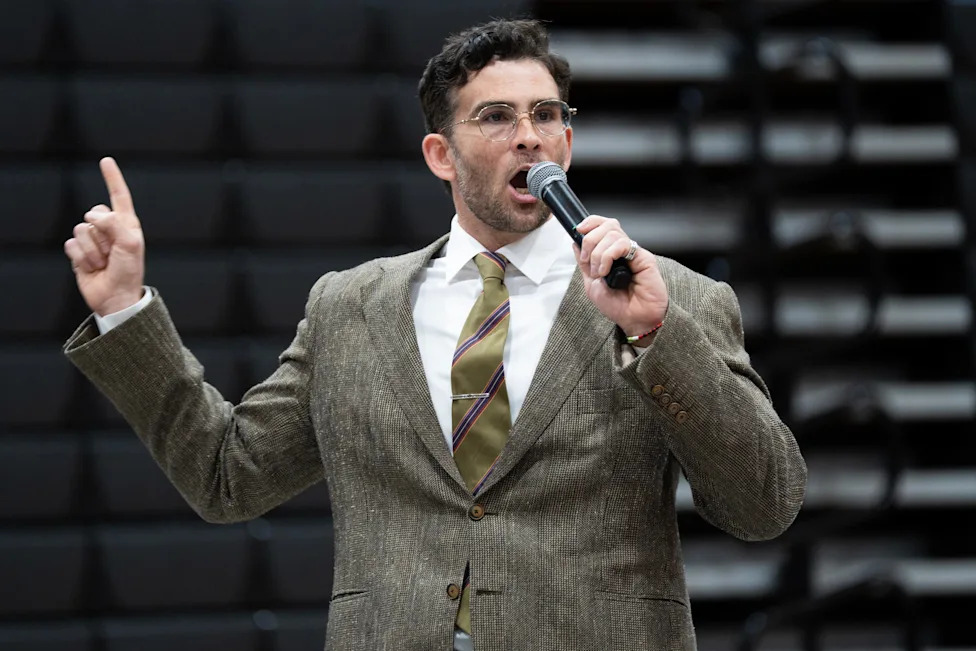
Internet personality, political commentator and streamerHasan Pikerwas once again thrust into the spotlightafter a photo of him posing in his underwear was briefly displayed on a massive screen at theRepublican Party's midterm conventionon Sept. 9, 2026. The photo, which appeared as part of a video played on the jumbotron during the opening day, was pulled from Piker's social media. It was included alongside footage and commentary targeting the political left.SeePiker's time in the spotlight through photos from his career and political influence, beginning hereat a rally for gubernatorial candidateFrancesca Hong at South Milwaukee High School on Aug. 2, 2026 in South Milwaukee, Wisconsin.(Hannah Schroeder / Milwaukee Journal Sentinel)
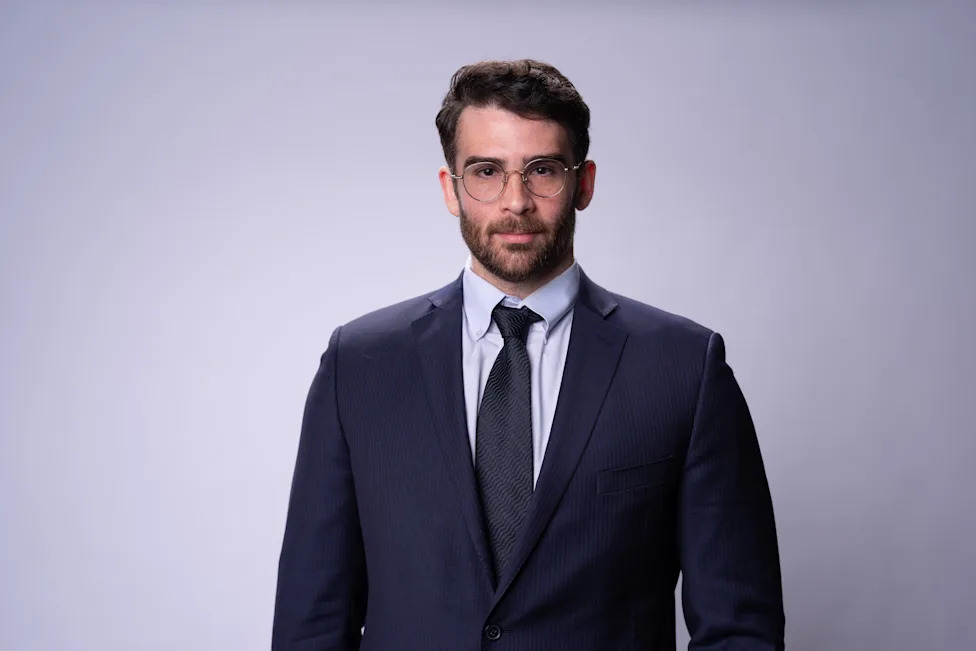
Hasan Pikerposes in USA Today's New York City studio in April 2026.(Josmar Taveras, USA TODAY)
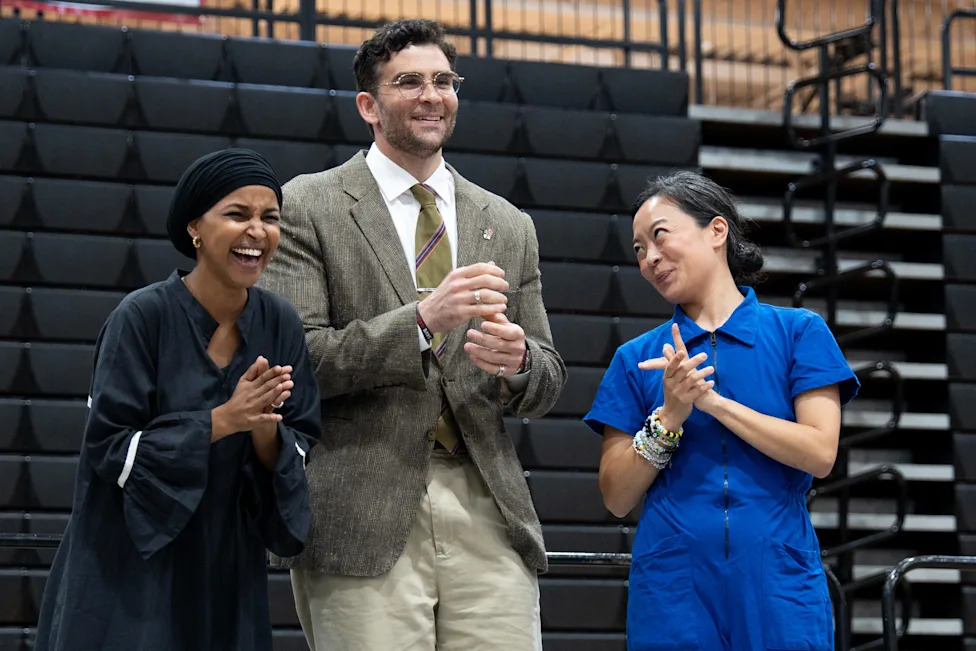
U.S. Rep. Ilhan Omar, political commentator Hasan Piker and gubernatorial candidate Francesca Hong stand together on stage at the conclusion of Hong’s rally at South Milwaukee High School on Aug. 2, 2026 in South Milwaukee, Wisconsin.(Hannah Schroeder / Milwaukee Journal Sentinel)
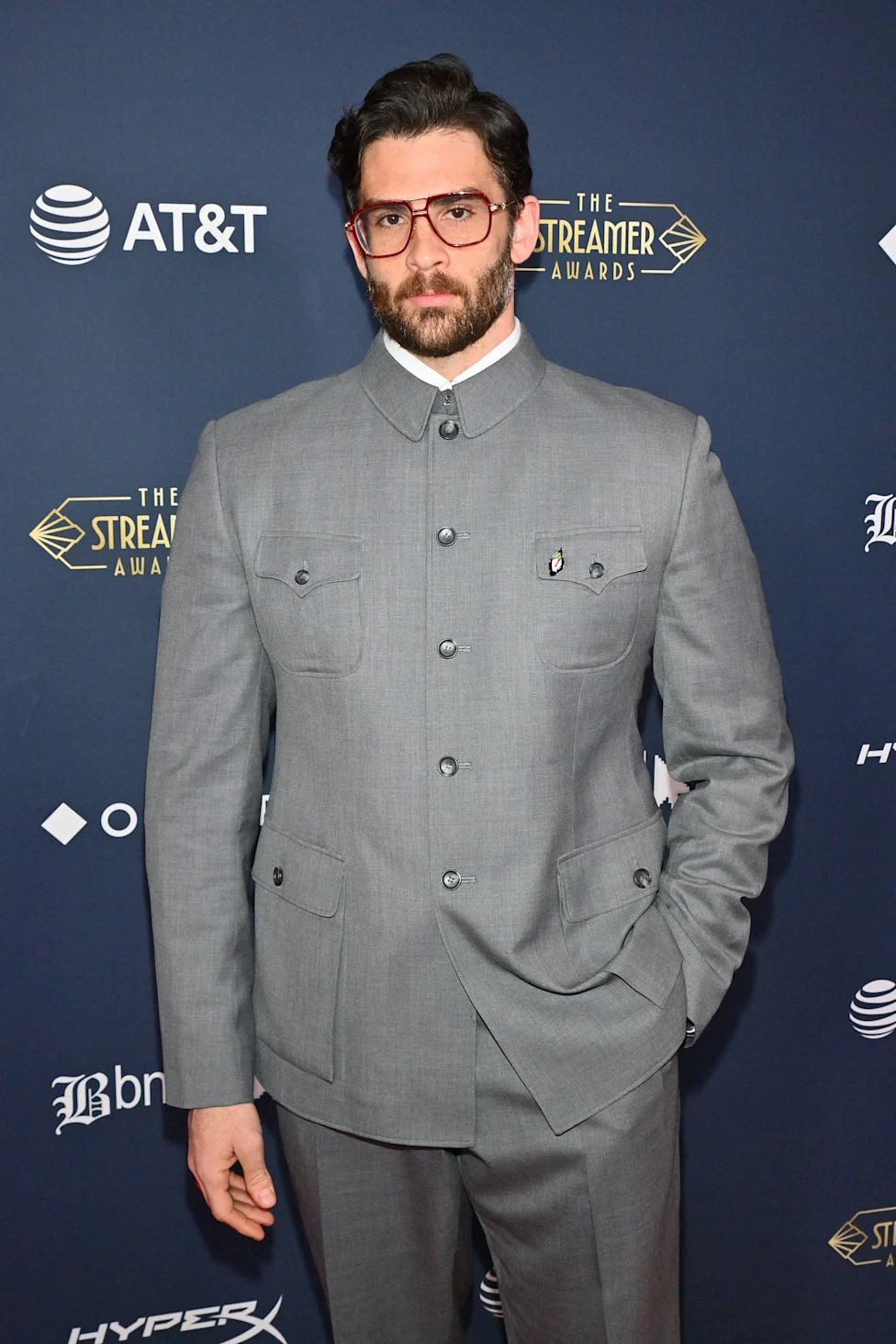
Hasan Piker attends the 2025 Streamer Awards at The Wiltern on Dec. 6, 2025, in Los Angeles.(Jerod Harris, Getty Images for Streamer Awards)
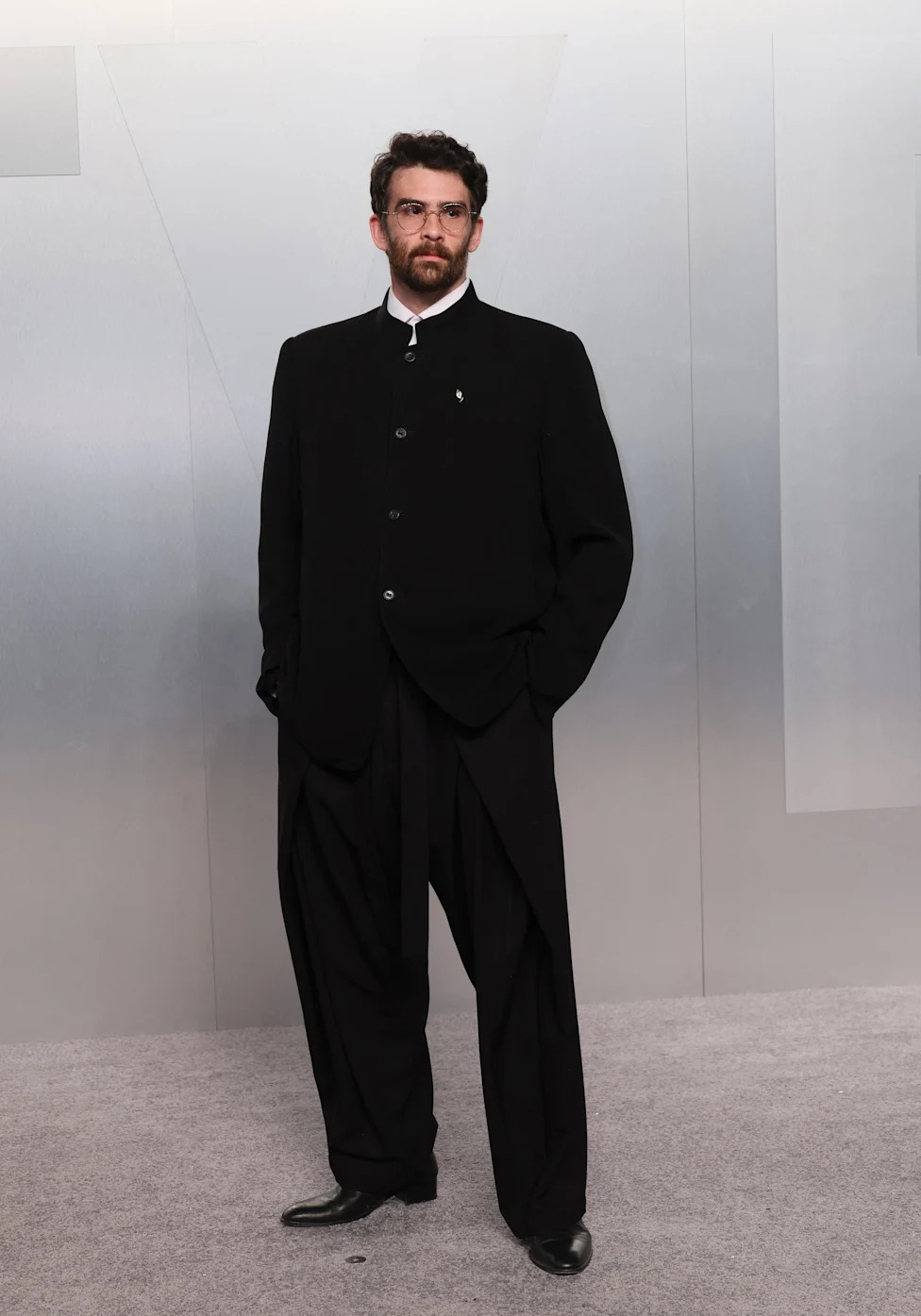
Hasan Piker arrives at the Vanity Fair Oscars party after the 98th Academy Awards, in Beverly Hills, California, March 15, 2026.(Danny Moloshok, REUTERS)
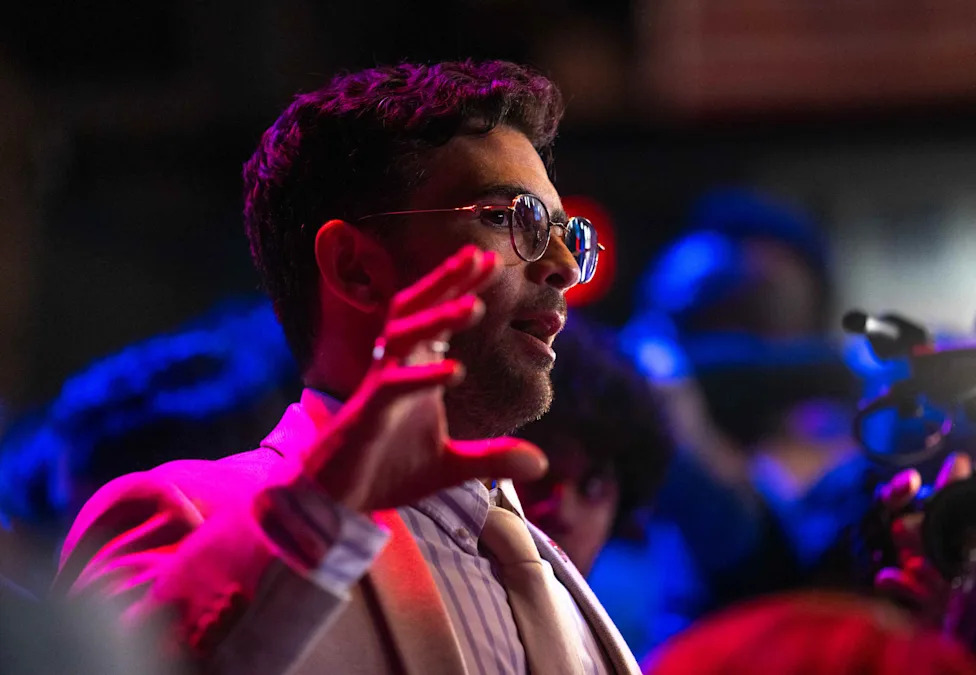
Twitch streamer Hasan Piker at an election night watch party for Democratic U.S. Senate candidate Abdul El-Sayed in Detroit on Aug. 4, 2026.(Ryan Garza/Detroit Free Press)
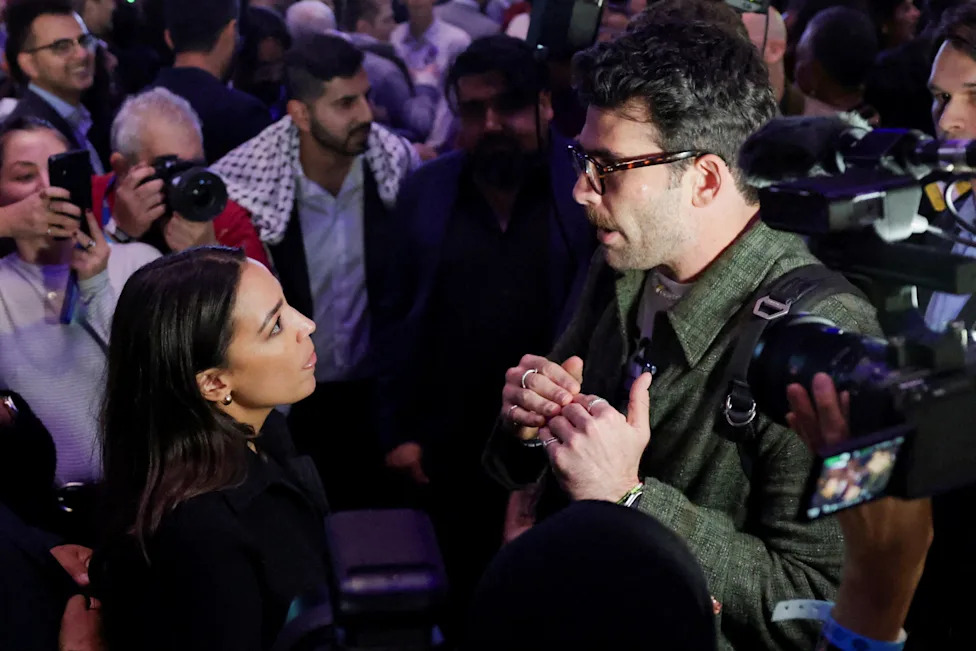
U.S. Representative Alexandria Ocasio-Cortez (D-NY) and Hasan Piker speak as initial projections of Democratic candidate for New York City mayor Zohran Mamdani's win are declared during an election night rally in the Brooklyn borough of New York City, Nov. 4, 2025.(Jeenah Moon, REUTERS)
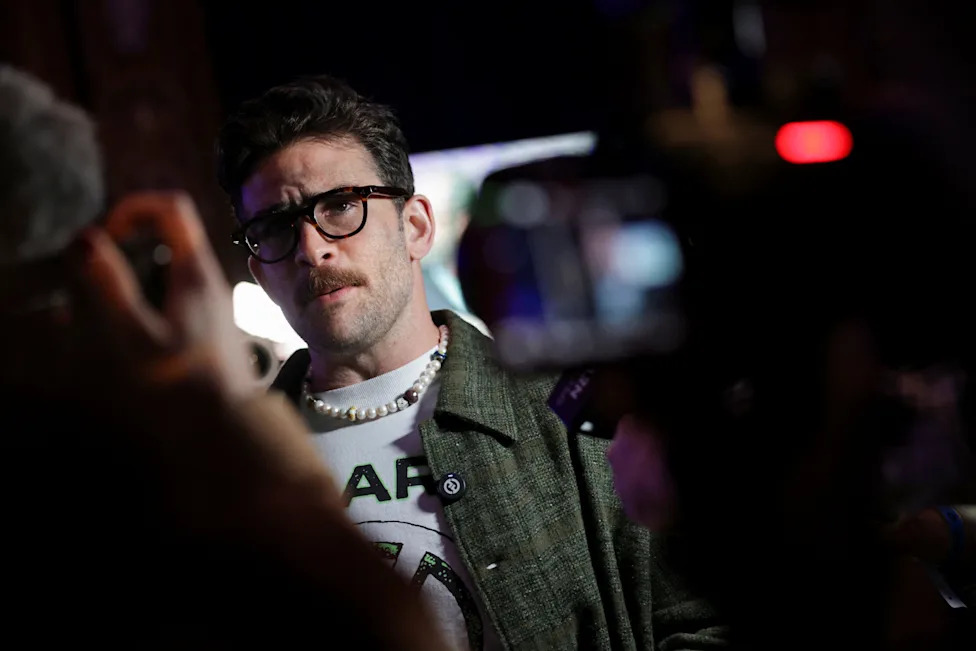
Hasan Piker speaks to members of the media at the venue for Democratic candidate for New York City mayor Zohran Mamdani's election night rally in the Brooklyn borough of New York City, New York, Nov. 4, 2025.(Jeenah Moon, REUTERS)
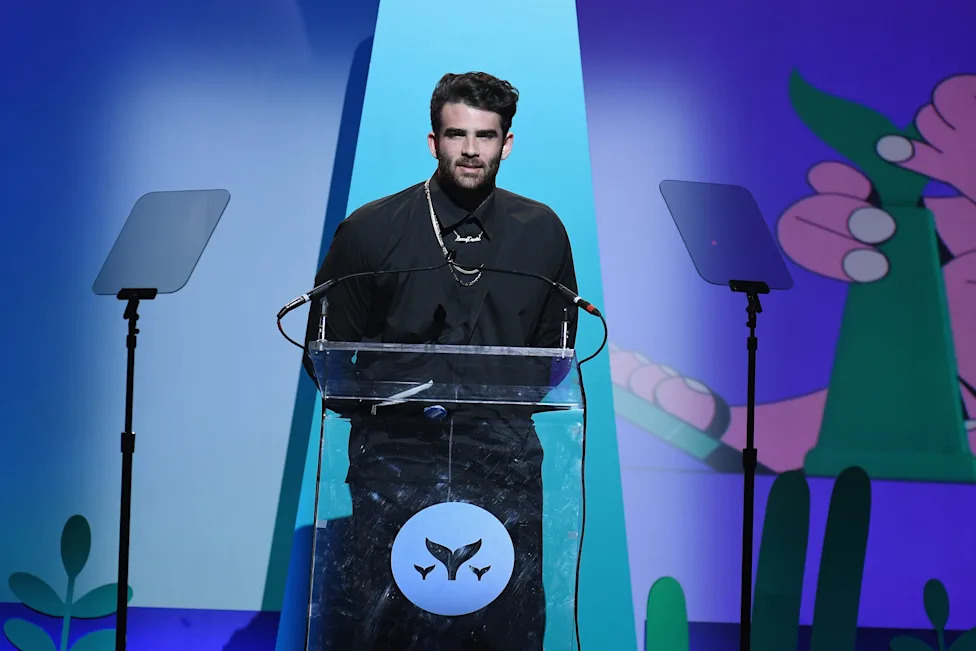
Hasan Piker speaks onstage during the 10th Annual Shorty Awards at PlayStation Theater on April 15, 2018 in New York City.(Dave Kotinsky, Getty Images for Shorty Awards)
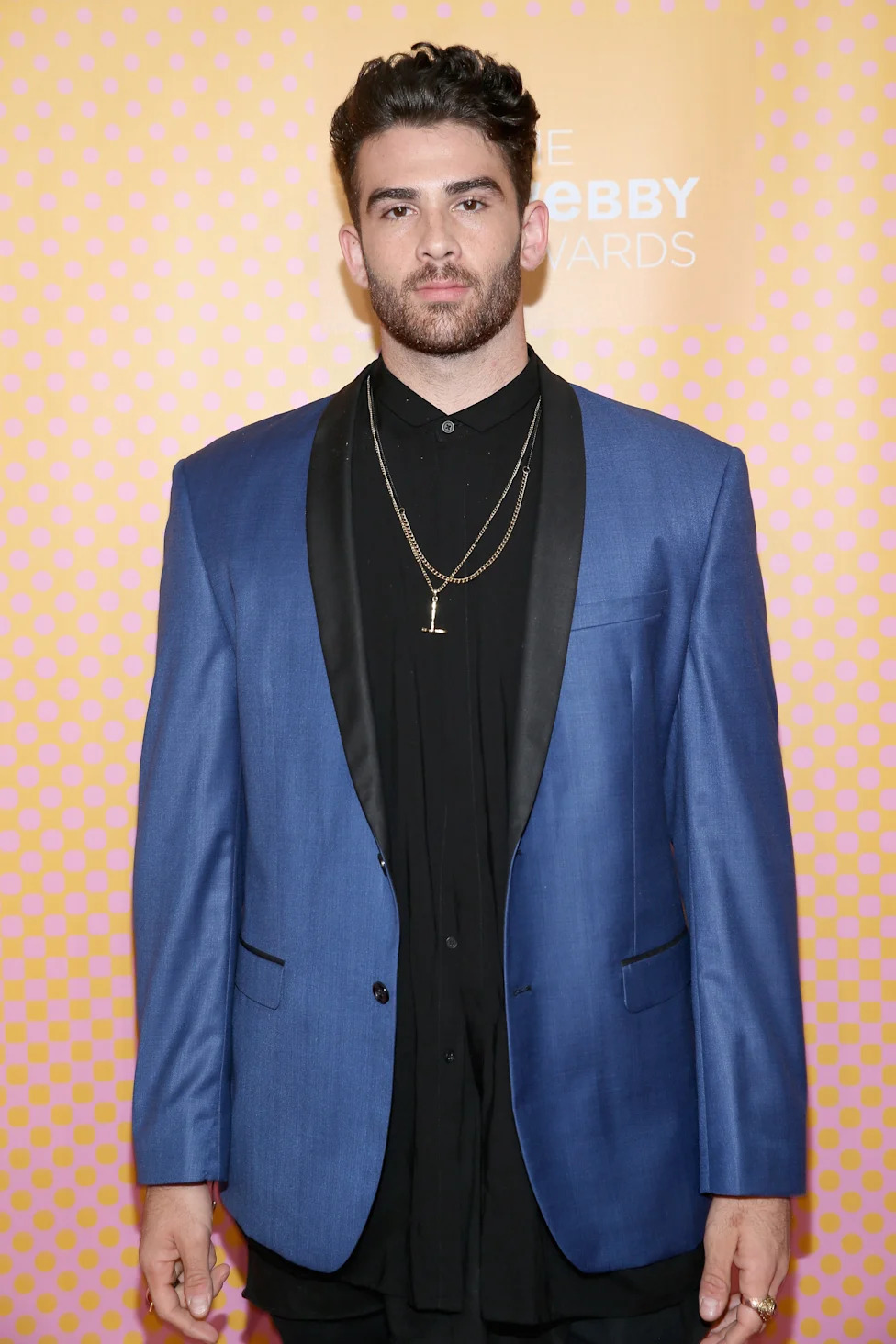
Hasan Piker attends the The 21st Annual Webby Awards at Cipriani Wall Street on May 15, 2017 in New York City.(Bennett Raglin, Getty Images for Webby Awards)
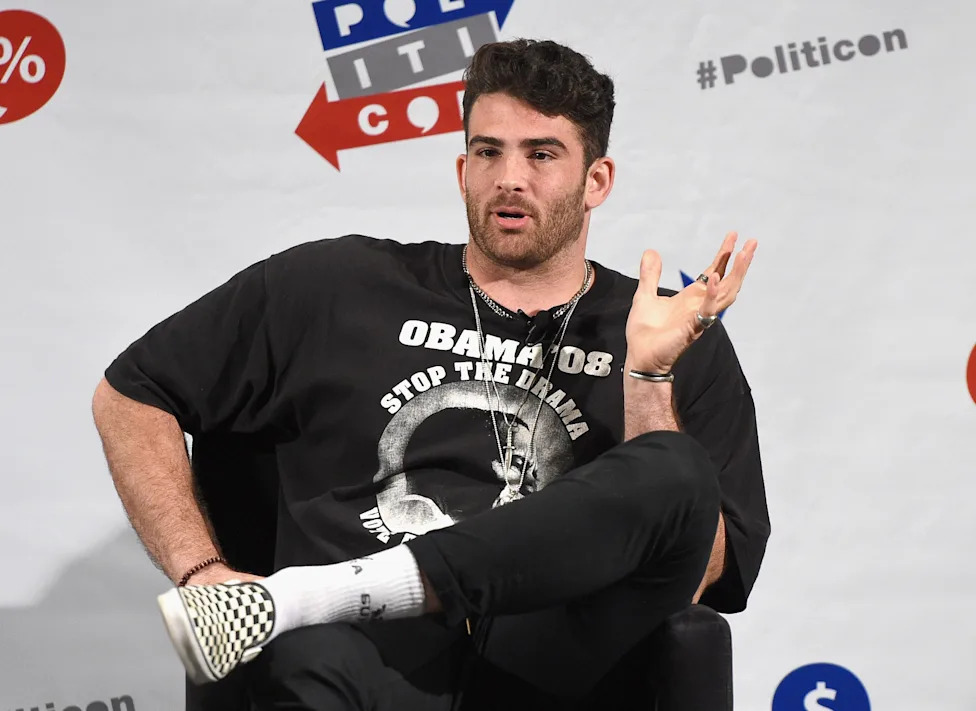
Hasan Piker at 'Turning Point USA Presents: Charlie Kirk vs. Hasan Piker' panel during Politicon at Pasadena Convention Center on July 29, 2017 in Pasadena, California.(Joshua Blanchard, Getty Images for Politicon)
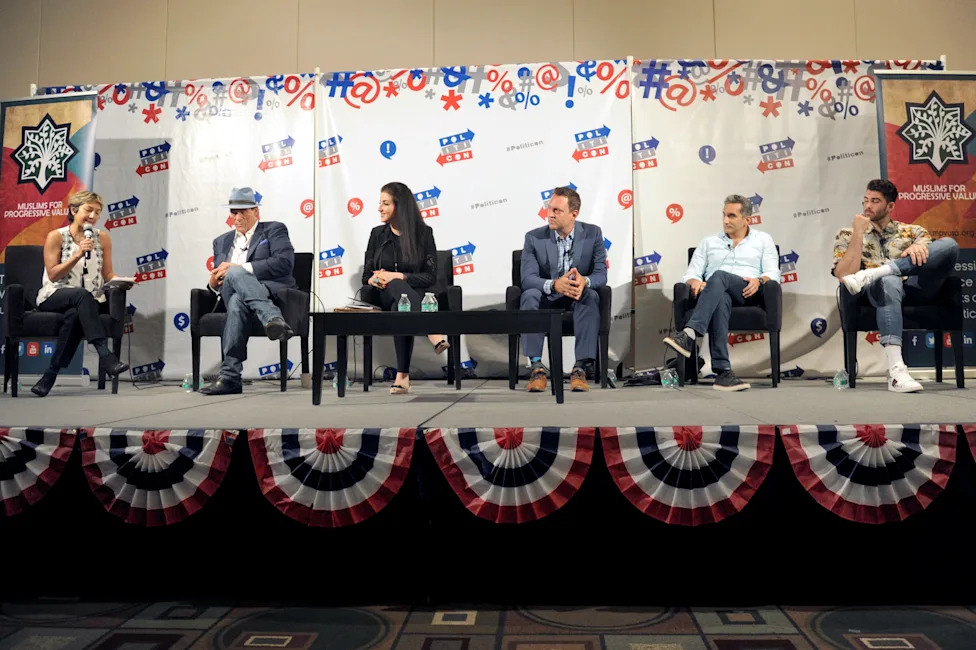
From left, Ani Zonneveld, Robert Davi, Dr. Halleh Seddighzadeh, Adam Housely, Bassem Youssef, and Hasan Piker at the 'Muslims For Progressive Values Presents: Radicals, Refugees & Republicans' panel during Politicon at Pasadena Convention Center on July 30, 2017 in Pasadena, California.(Joshua Blanchard/Getty Images for Politicon)
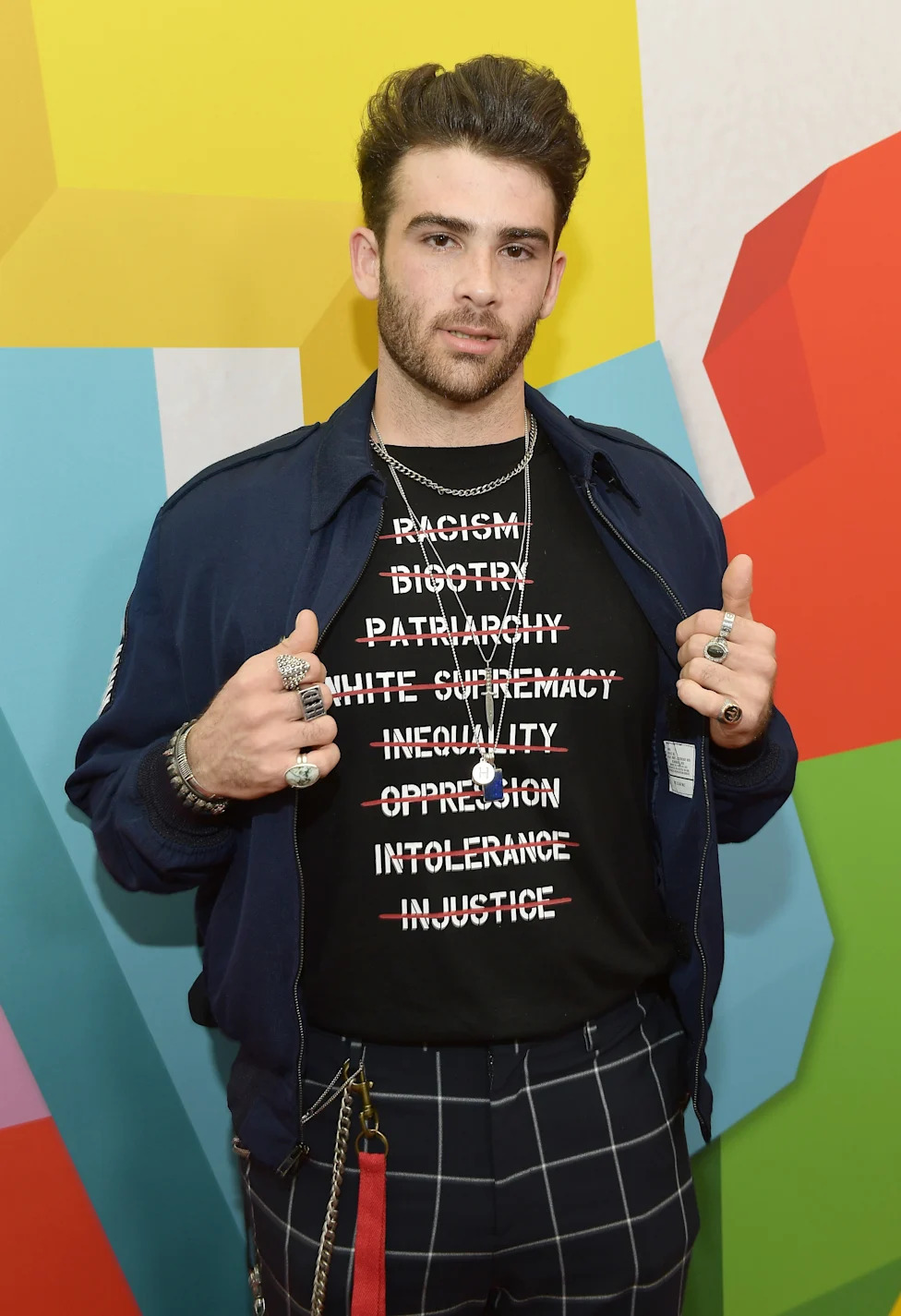
Hasan Piker at the 2017 Streamy Awards at The Beverly Hilton Hotel on Sept. 26, 2017, in Beverly Hills, California.(Matt Winkelmeyer, Getty Images for dick clark productions)
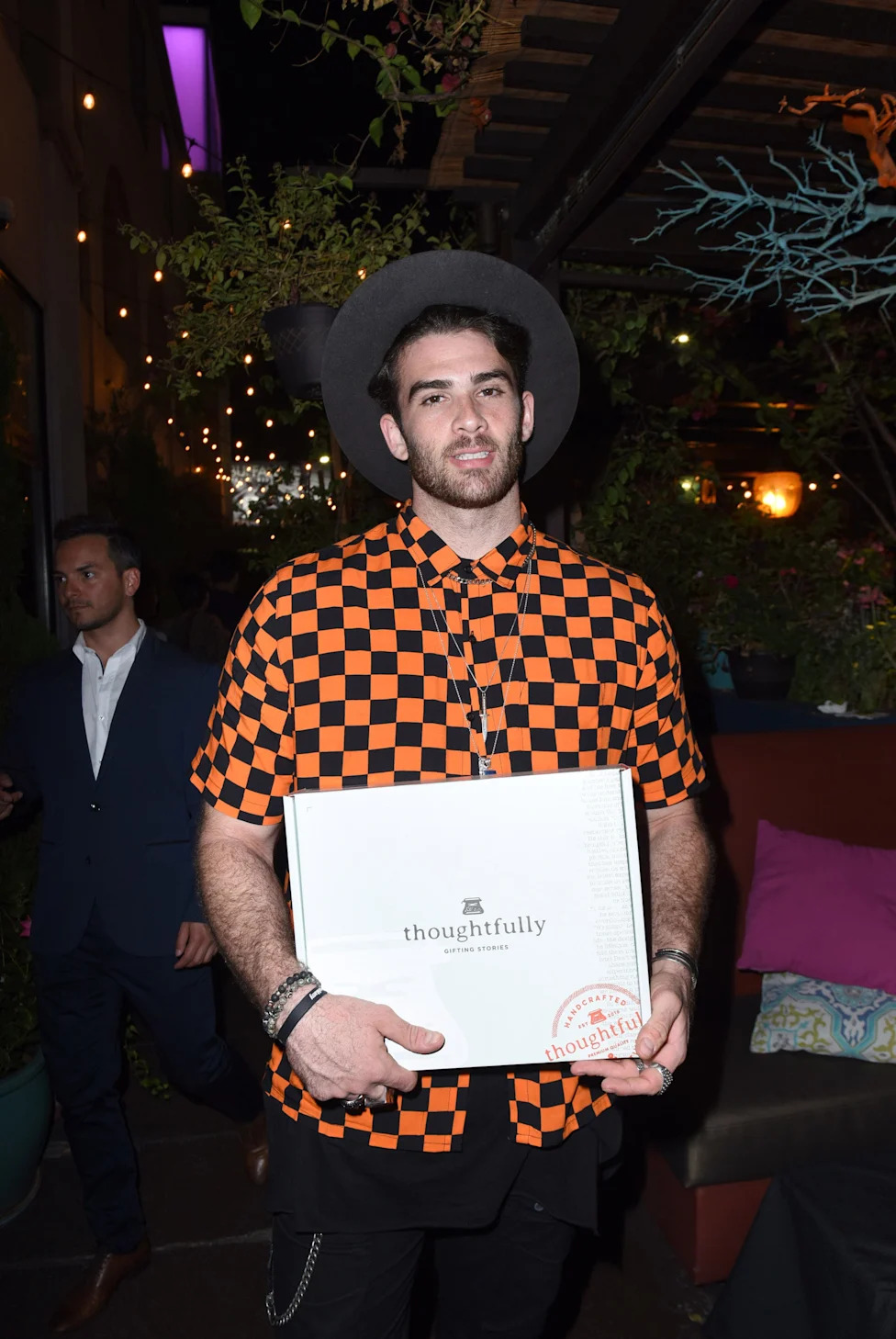
Hasan Piker attends Childhelp Hollywood Heroes on October 18, 2017 in Beverly Hills, California.(Vivien Killilea, Getty Images for Childhelp)
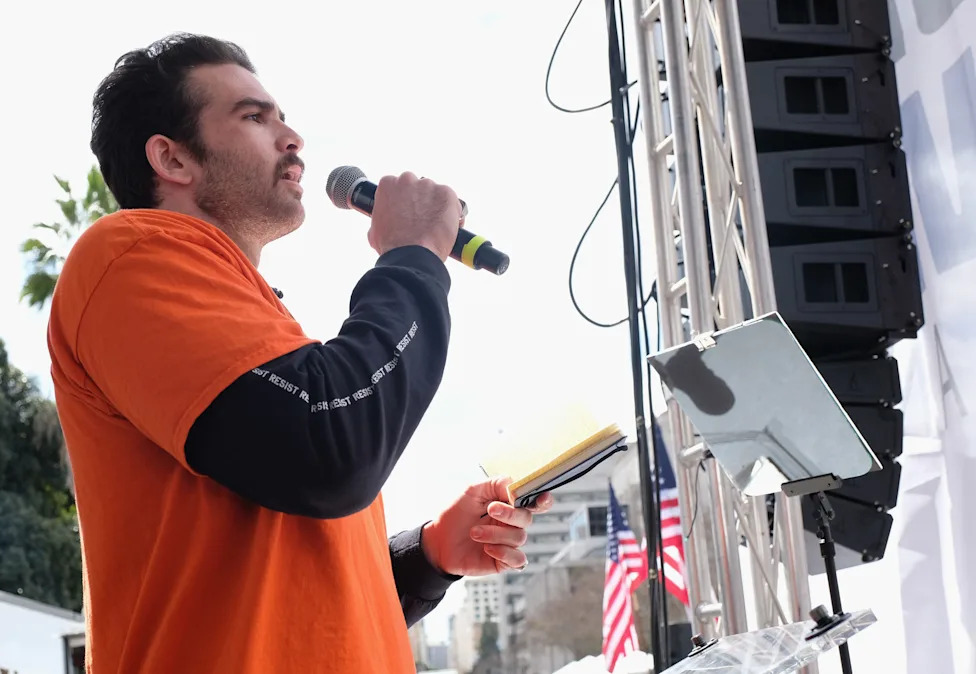
Hasan Piker speaks at the March for Our Lives Los Angeles rally on March 24, 2018 in Los Angeles, California. More than 800 March for Our Lives events, organized by survivors of the Parkland, Florida school shooting on February 14 that left 17 dead, are taking place around the world to call for legislative action to address school safety and gun violence.(Sarah Morris, Getty Images)
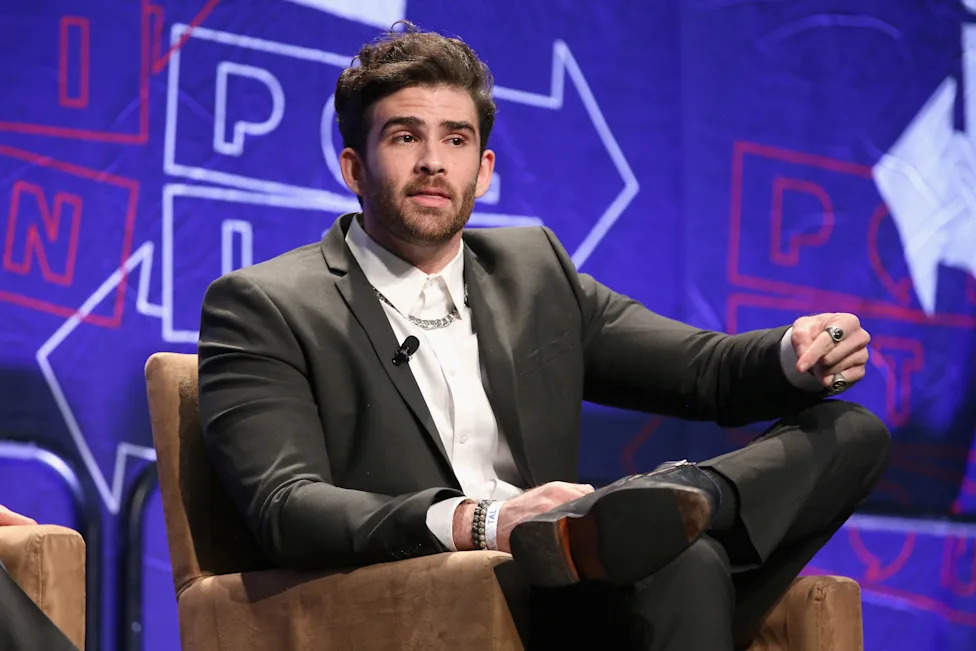
Hasan Piker speaks onstage during Politicon 2018 at Los Angeles Convention Center on Oct. 20, 2018, in Los Angeles, California.(Phillip Faraone, Getty Images for Politicon)
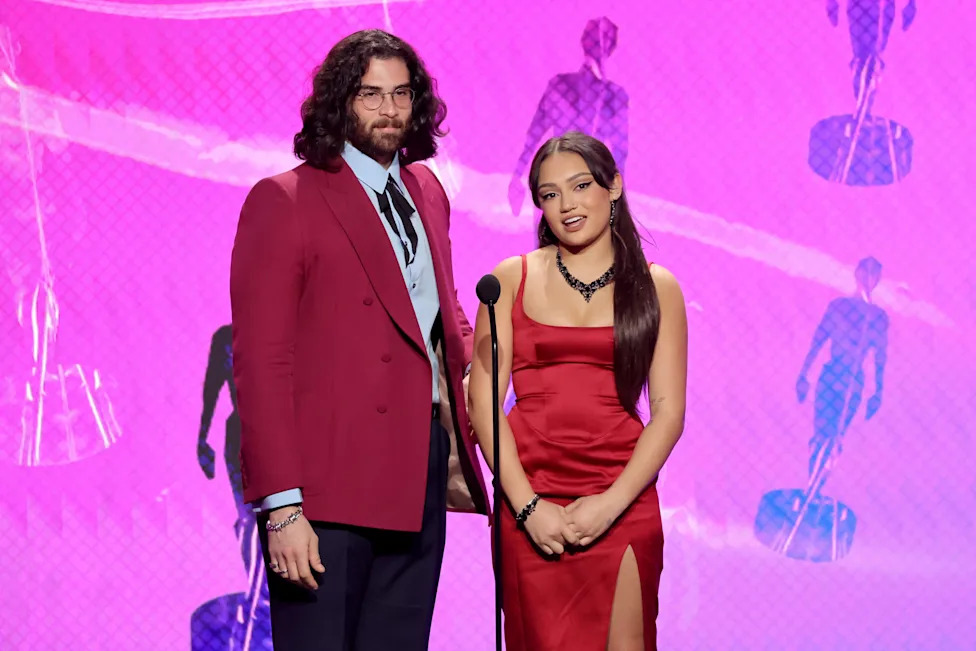
Hasan Piker (HasanAbi) and Avani Gregg speak onstage during the 2022 YouTube Streamy Awards at The Beverly Hilton on Dec. 4, 2022 in Beverly Hills, California.(Amy Sussman, Getty Images)
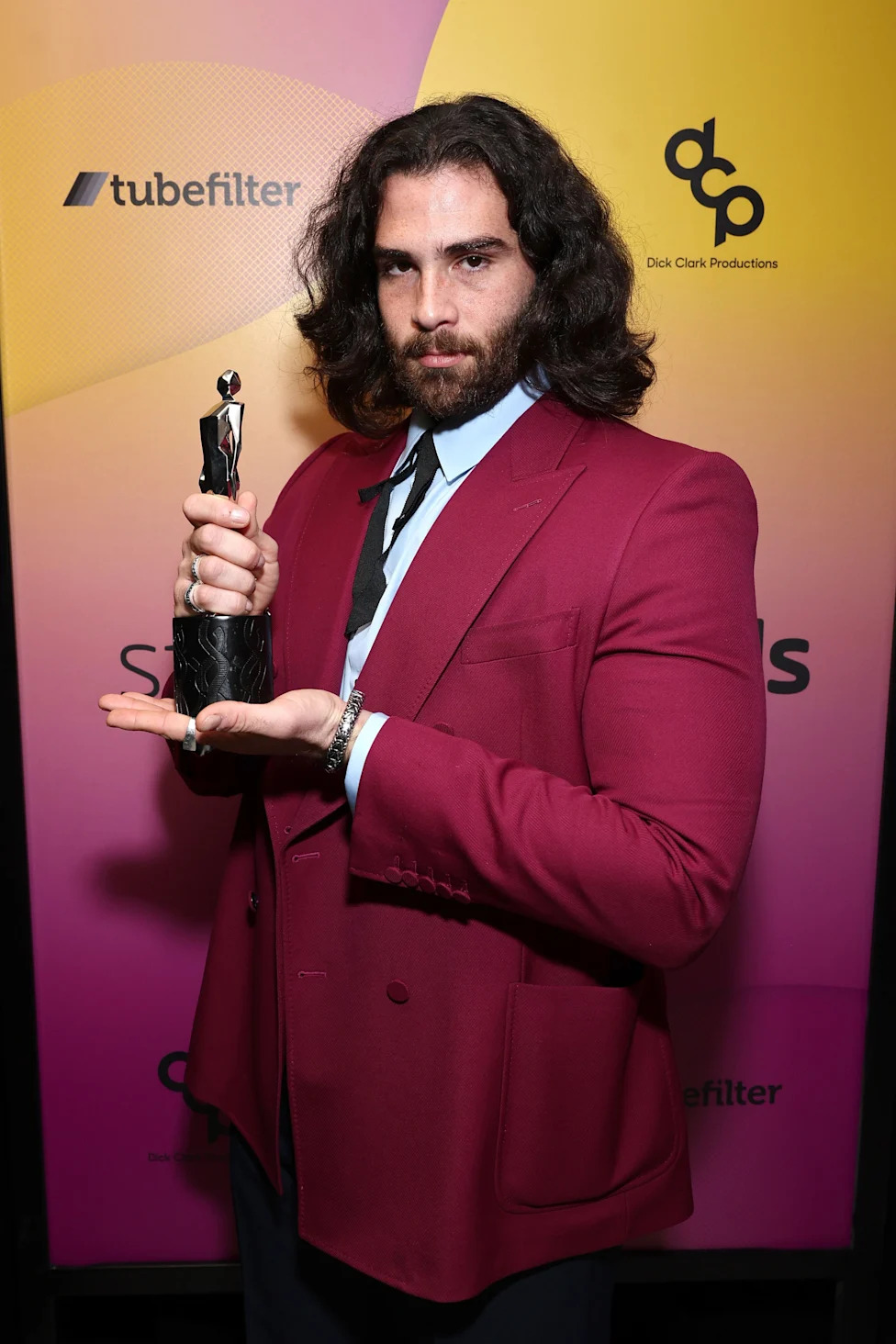
Hasan Piker (HasanAbi) poses with an award during the 2022 YouTube Streamy Awards at the Beverly Hilton on Dec. 4, 2022 in Los Angeles, California.(Matt Winkelmeyer, Getty Images for dick clark productions)
Help us improve.