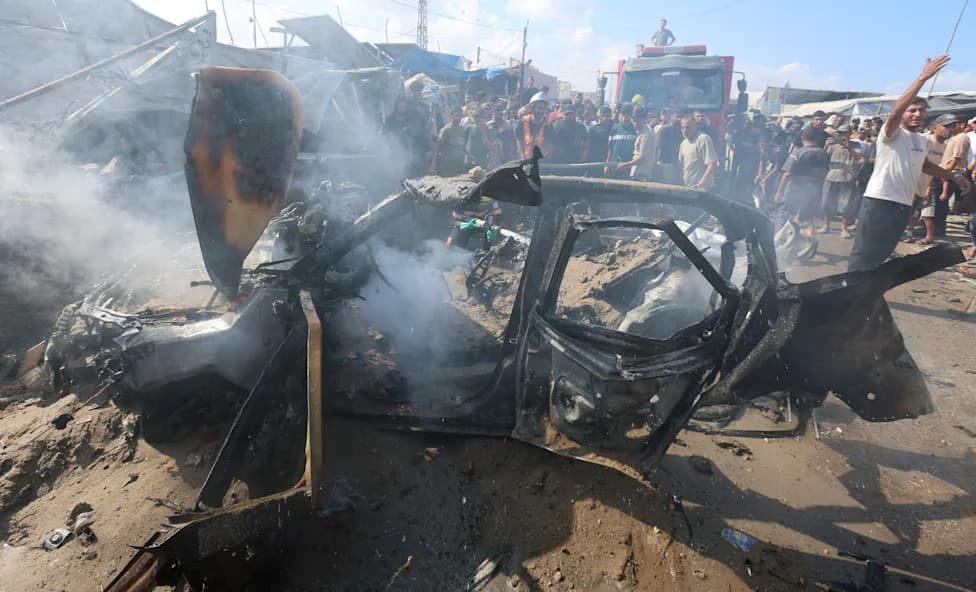
As Gaza prepares for Palestinian legislative elections on November 28 — the first since 2006 — voters say they want tangible improvements: jobs, security and reconstruction. Young people like 24-year-old Ahmad Mohsen stress the need for stable employment and restored public services, while older residents such as Ghassan Marwan call for rebuilding after losing homes and livelihoods. The Palestinian Central Elections Commission warns of major logistical and security hurdles in Gaza, where around 1.24 million people are eligible to vote.
Gaza Voters Demand Jobs, Security and Reconstruction Ahead of Landmark Palestinian Vote
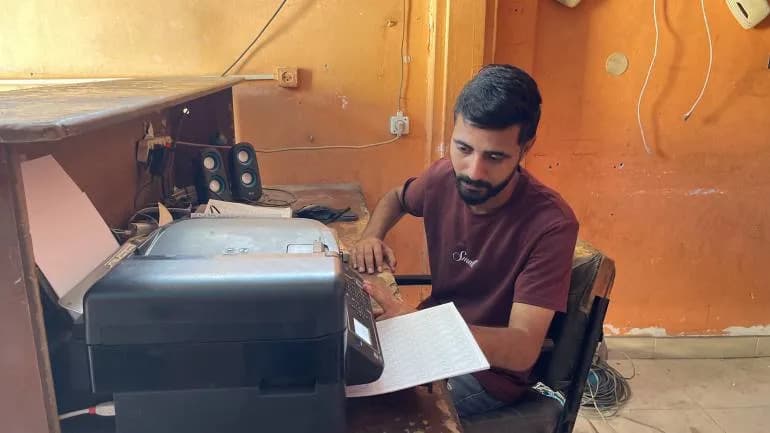
Ahmad Mohsen hopes that the Palestinian legislative elections will bring about some material improvement to his life [Lina Ghassan Abu Zayed/Al Jazeera]
Deir el-Balah, Gaza Strip — As Palestinians in Gaza prepare to vote in legislative elections scheduled for November 28 — the first such vote since 2006 — many residents say the ballot must deliver practical change: jobs, security and the rebuilding of basic services.
Lives Upended by War
Ahmad Mohsen, 24, sits behind the counter of a shop selling prepaid internet cards in Deir el-Balah and recalls the life he had planned before the war that the original reporting describes as genocidal. A nursing graduate, he was completing paperwork to obtain his professional license and had hoped to work in a hospital and pursue postgraduate study. Instead, Mohsen volunteered in the early months of the conflict at Al-Aqsa Martyrs Hospital, treating large numbers of wounded and dead. When payments failed to arrive, he left and searched for paid work.
"The first thing I want is to be able to find a stable job with a decent salary so I can support myself and my family, and the second thing is to have security," he said.
Generational Frustration
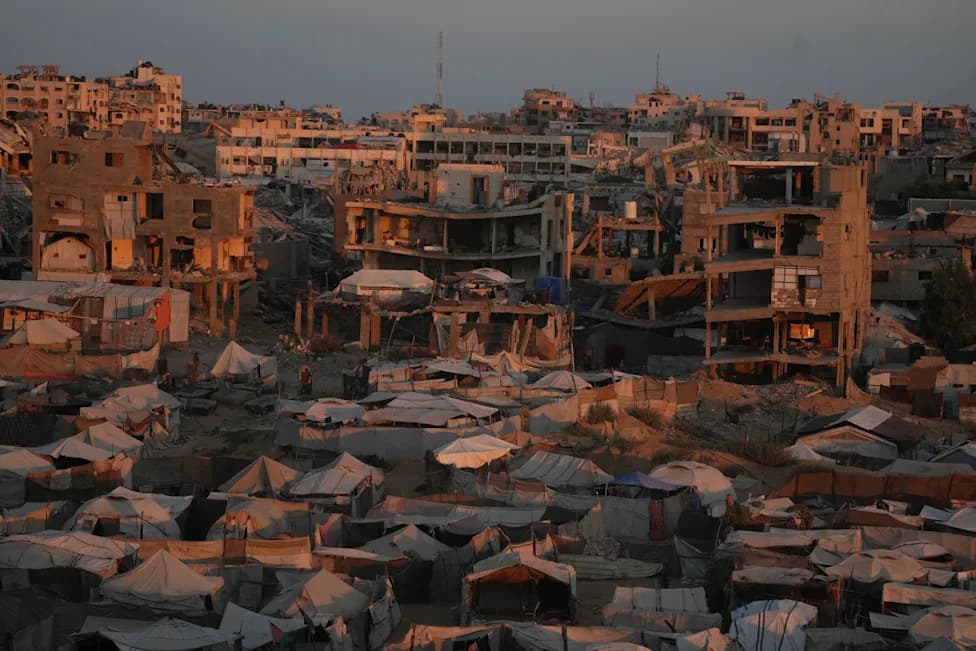
Mohsen’s priorities reflect broad concerns across Gaza: high unemployment, housing shortages, limited education and strained healthcare. Unemployment in the enclave is about 80 percent, and years of blockade and a devastating war have left the local economy in tatters. Many families remain displaced and cut off from land and livelihoods; Mohsen’s family cannot access land east of Salah al-Din Street because of Israeli restrictions. He and others hope the October 2025 ceasefire framework will allow withdrawal, access and reconstruction.
Older Voters’ Perspective
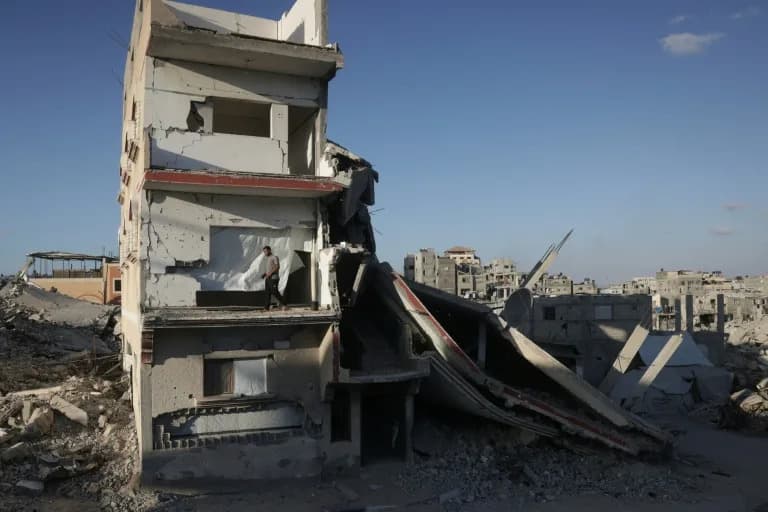
Ghassan Marwan, 53, remembers the 2006 elections — won by Hamas — as transparent and hopeful. A former goldsmith who ran a family factory, Marwan lost both his home and his business in January 2024. The destruction erased decades of work and stability. He now spends his days searching for water and trying to provide for children living in tents.
"After losing your home and your source of income, what else do you want? All you hope for is reconstruction, calm and security in the country," he said.
Politics, Practicality and the Vote
Marwan and others say decades of conflict and disappointment have dulled political engagement; many are focused on survival rather than political debate. Yet the prospect of elections still brings a mix of hope and skepticism. "Sometimes I feel that talking about elections is almost a joke, because there are no clear conditions for holding them," Marwan added.
Organizing the Ballot
The Palestinian Central Elections Commission is preparing to hold the vote in the occupied West Bank, occupied East Jerusalem and Gaza. It estimates roughly 1.24 million Palestinians in Gaza will be eligible to vote. Jamil al-Khalidi, the commission’s regional director in Gaza, warned the operation faces significant logistical and security challenges because of widespread destruction and mass displacement. The commission has contingency plans to produce election materials locally if supplies are restricted from entering Gaza.
What Voters Want From Leaders
Gaza-based analyst Iyad al-Qarra says the war has not erased interest in politics so much as changed expectations. Voters now prioritize leaders who can restore daily life: rebuild housing and infrastructure, revive health and education systems, and create conditions for livelihoods to return. There is broad demand for leadership that places Gaza’s recovery at the top of its agenda.
What remains clear: for many Gaza residents, these elections will only matter if they result in tangible improvements — jobs, security and a credible plan to rebuild lives and services.
Help us improve.