Quick Summary: Thomas Randolph, nicknamed the "Black Widower," was convicted in 2017 of murdering his sixth wife, Sharon Causse, and an associate, Michael Miller, but the Nevada Supreme Court overturned the convictions in 2020 because the trial court admitted prejudicial prior‑bad‑act evidence related to an earlier Utah case. In a 2023 retrial (without the death penalty) he was reconvicted and in April 2024 sentenced to 60 years to life; his appeal was dismissed in September 2026.
Why Thomas Randolph’s 2017 Murder Convictions Were Overturned — And What Happened Next
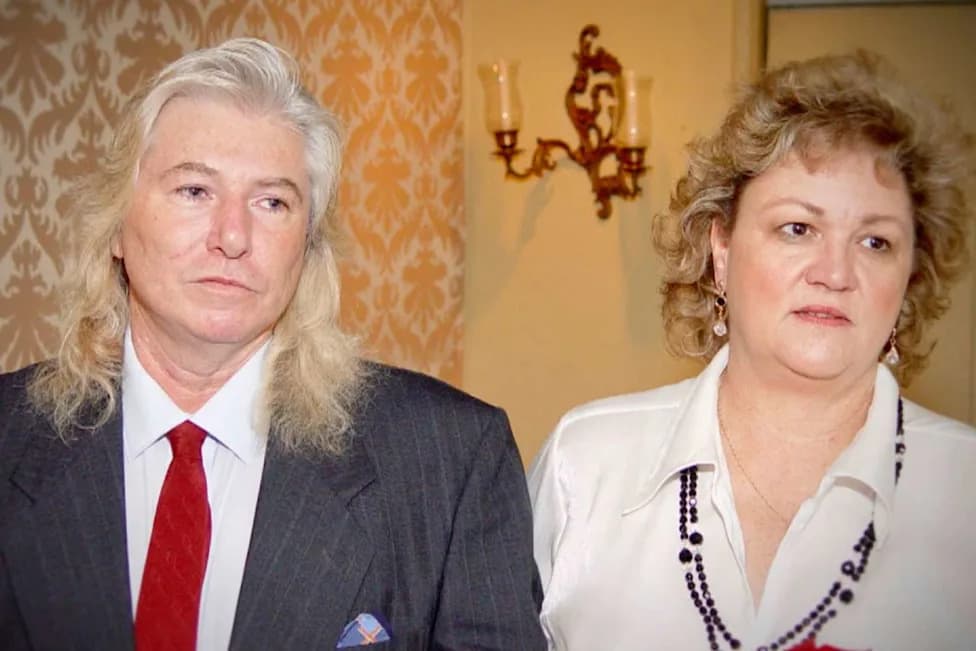
Thomas Randolph and Sharon CausseCredit: Warner Bros.
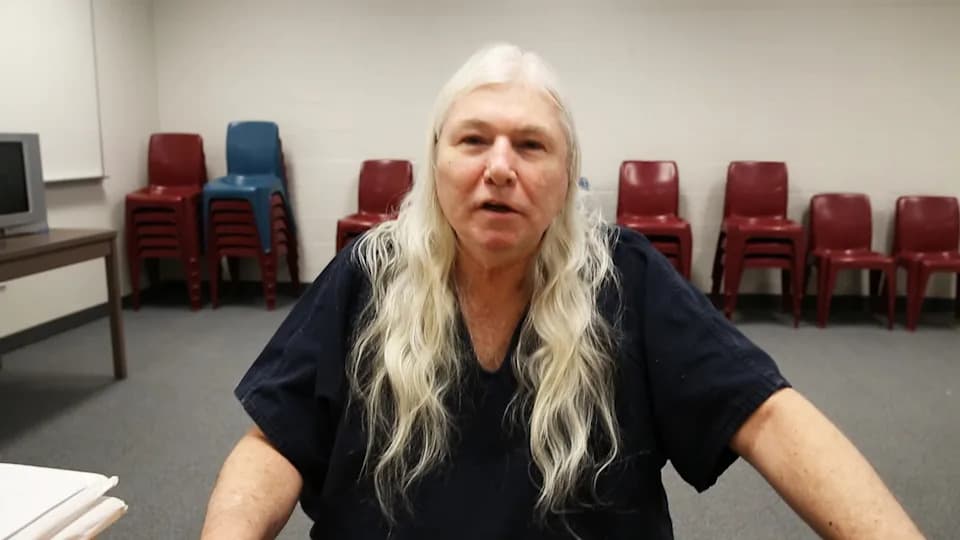
Thomas Randolph — frequently called the "Black Widower" in media coverage — has been the subject of renewed scrutiny following the Netflix documentary The Widower: 'Til Death Do Us Part. Over five decades, Randolph married six times and repeatedly benefited from life insurance payouts after the deaths of spouses or partners. His case raised complex questions about evidence, courtroom fairness and how prior conduct can influence juries.
Overview
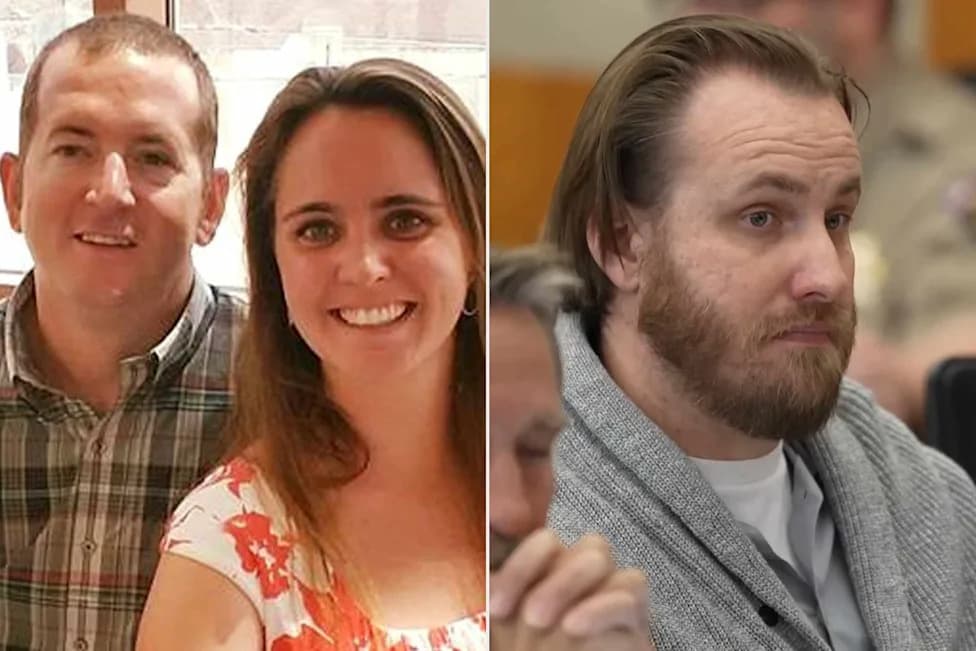
Randolph was arrested after his sixth wife, Sharon Causse, was fatally shot in the couple’s Las Vegas home in May 2008. He reported that a masked intruder, later identified as Michael Miller, had broken in, killed Causse and was then shot by Randolph in what he described as self-defense. Investigators concluded the scene and other evidence were inconsistent with that account and later alleged Randolph had hired Miller to kill Causse so he could collect life insurance proceeds.
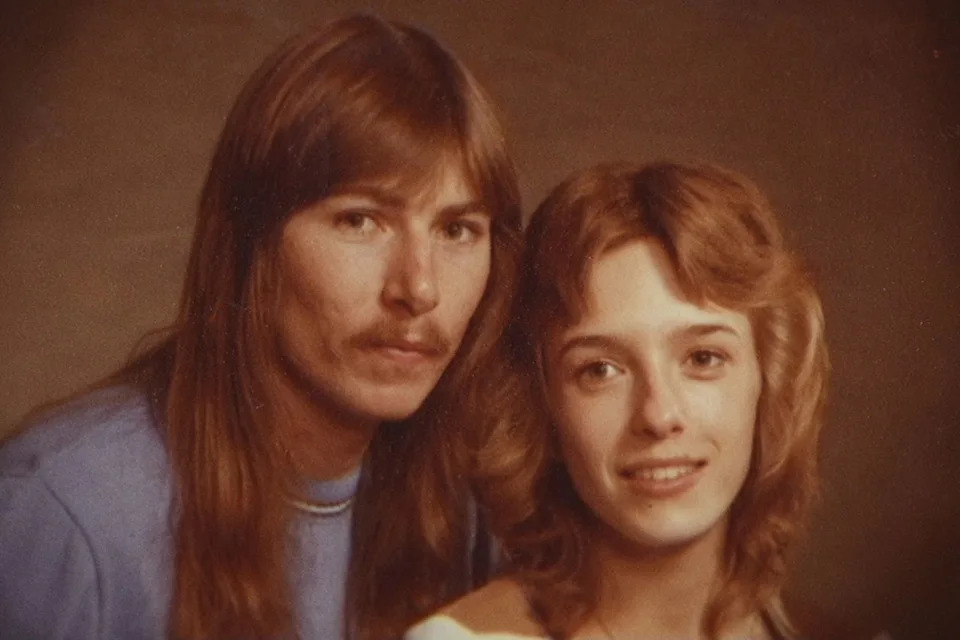
Thomas Randolph and Becky Gault in 'The Widower: 'Til Death Do Us Part'Credit: Courtesy of Netflix
Pattern Of Marriages And Suspicious Deaths
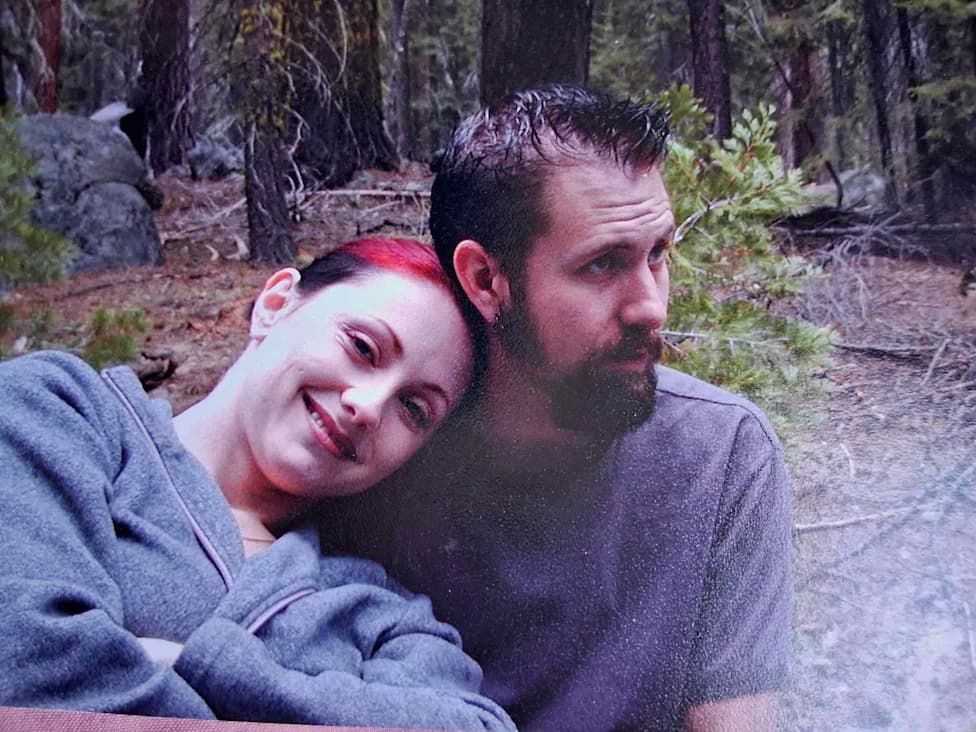
Randolph’s pattern stretches back to the 1970s. He married Kathryn Thomas in 1975; she later said Randolph had taken out a life insurance policy on her and described controlling behavior. In 1983 he married Becky Gault; her death three years later was ruled a suicide, and Randolph collected a substantial insurance payout. In 1988 he was charged in connection with Gault’s death after a former friend alleged Randolph solicited the killing, but Randolph was acquitted of murder in 1989. He did, however, serve time for witness tampering and later had those Utah prosecution records expunged.
Subsequent marriages included Leona Stapleton (divorced; Stapleton later died of cancer), Gayna Allmon (divorced after she discovered police interest in Randolph), and Frances Randolph (who had a heart condition, later died, and whose death resulted in a wrongful-death settlement). In 2007 he met Sharon Causse; they married soon after and Randolph took out multiple life insurance policies on her.

Thomas Randolph and Francis Randolph in 'The Widower: 'Til Death Do Us Part'Credit: Courtesy of Netflix
The 2008 Killings And Investigation
After Causse’s death and the killing of Michael Miller in May 2008, police probed inconsistencies in Randolph’s account. Detectives grew suspicious of a financial motive: prosecutors later said Randolph stood to gain more than $300,000 from Causse’s life insurance. Randolph was arrested in 2009 and remained in custody for years while legal maneuvering and repeated changes of counsel delayed trial.
2017 Trial, Conviction And Death Sentences
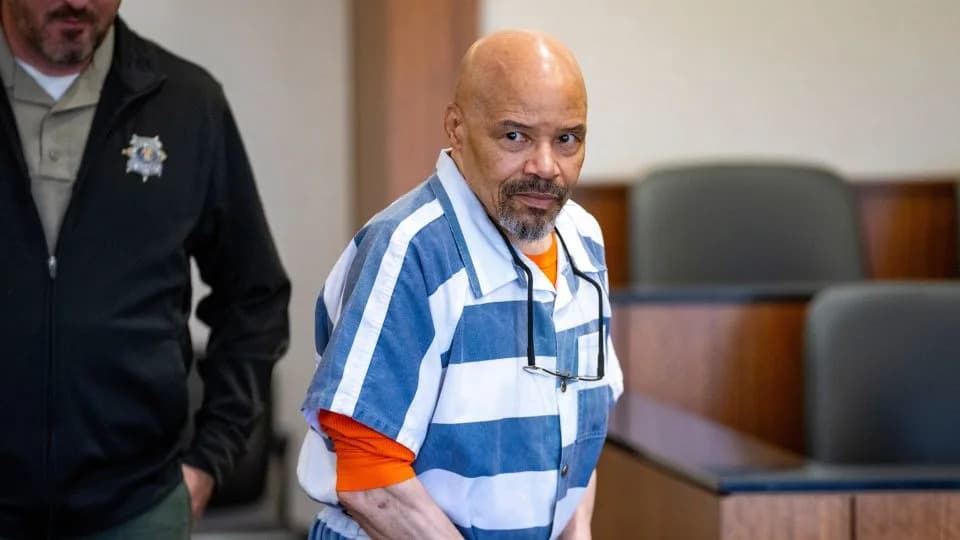
In 2017 a Nevada jury convicted Randolph on two counts of first-degree murder — the deaths of Sharon Causse and Michael Miller — and sentenced him to death on both counts. Prosecutors had emphasized alleged similarities between the Causse killing and the earlier Gault matter and argued Randolph’s motive was financial.
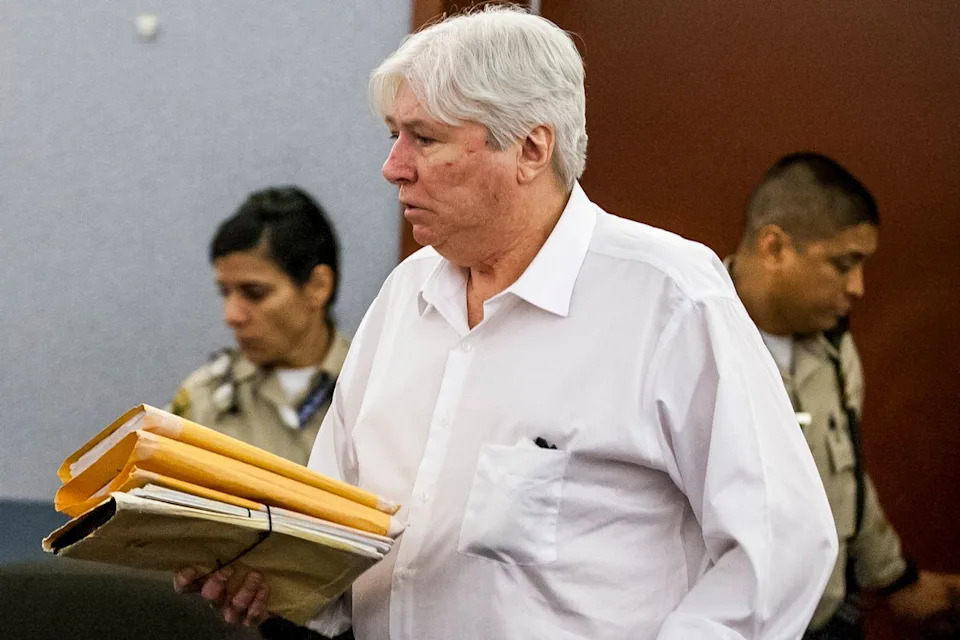
Thomas Randolph in court on July 5, 2017Credit: Patrick Connolly/Las Vegas Review-Journal via AP
Nevada Supreme Court: Overturning The Convictions (2020)
On December 10, 2020, the Nevada Supreme Court overturned the 2017 convictions. The court ruled the trial judge had allowed prejudicial "prior bad act" evidence — extensive references to the earlier Becky Gault case in Utah — that was not sufficiently relevant to the Nevada crimes and that the references unfairly influenced the jury. The high court ordered a retrial limited to the Causse and Miller murders.
Key legal point: Courts must balance the probative value of prior-act evidence against the potential for unfair prejudice. In Randolph’s case, Nevada’s high court found that balance tipped too far toward prejudice.
Retrial, Reconvcition And Sentencing (2023–2024)
At a 2023 retrial — in which prosecutors did not seek the death penalty — the jury again found Randolph guilty of both murders after five hours of deliberation. In April 2024 he was sentenced to 60 years to life. Randolph appealed that sentence, but the Nevada Supreme Court dismissed the appeal in September 2026, upholding the conviction and concluding the most recent chapter of his legal saga.
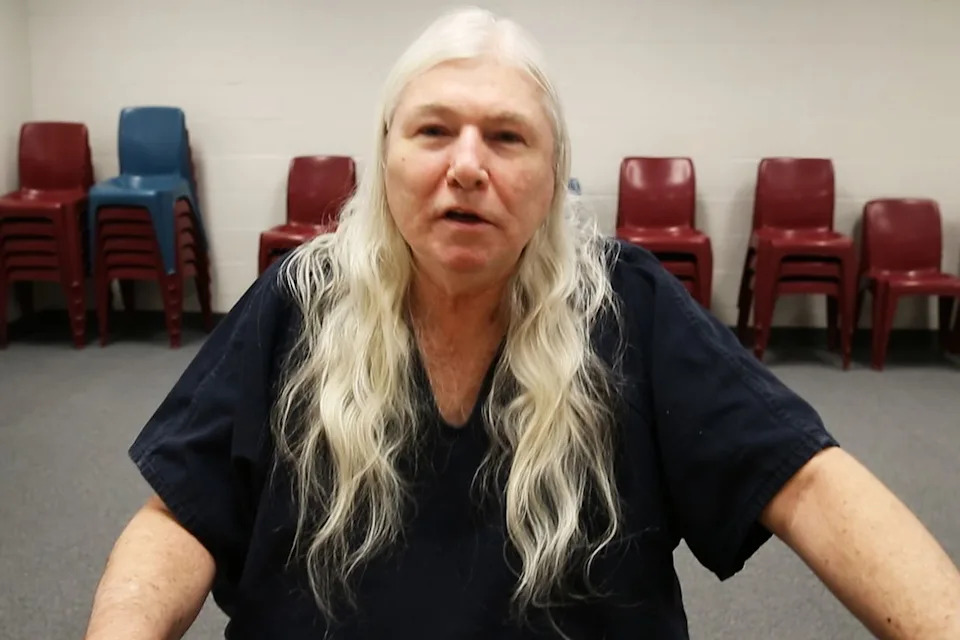
Thomas Randolph in 'The Widower: 'Til Death Do Us Part'Credit: Courtesy of Netflix
Aftermath And Broader Implications
The Randolph case highlights two important themes in criminal law and true-crime reporting: (1) how prior allegations and a defendant’s history can color a jury’s view, and (2) the procedural safeguards courts must apply when deciding whether to admit prior-bad-act evidence. It also underscores how powerful documentary storytelling can revive public interest and scrutiny of long-running cases.
Sources: Court opinions, news reports, and the Netflix documentary The Widower: 'Til Death Do Us Part.
Help us improve.