The Trump administration has revoked the religious worker visa of Yehonatan Ovadia, a Satmar Hasidic teacher detained after an October 2023 protest where an Israeli flag went missing from a town hall. Ovadia denies tearing down the flag; he and another sect member pleaded to reduced disorderly conduct charges in early 2024. His lawyers argue the government is punishing religious and political expression and wrongly equating anti‑Zionism with antisemitism. A bond hearing is scheduled as his legal team seeks his release; if deported, Ovadia could be returned to Israel.
Trump Administration Seeks Deportation of Hasidic Teacher After Anti‑Israel Protest
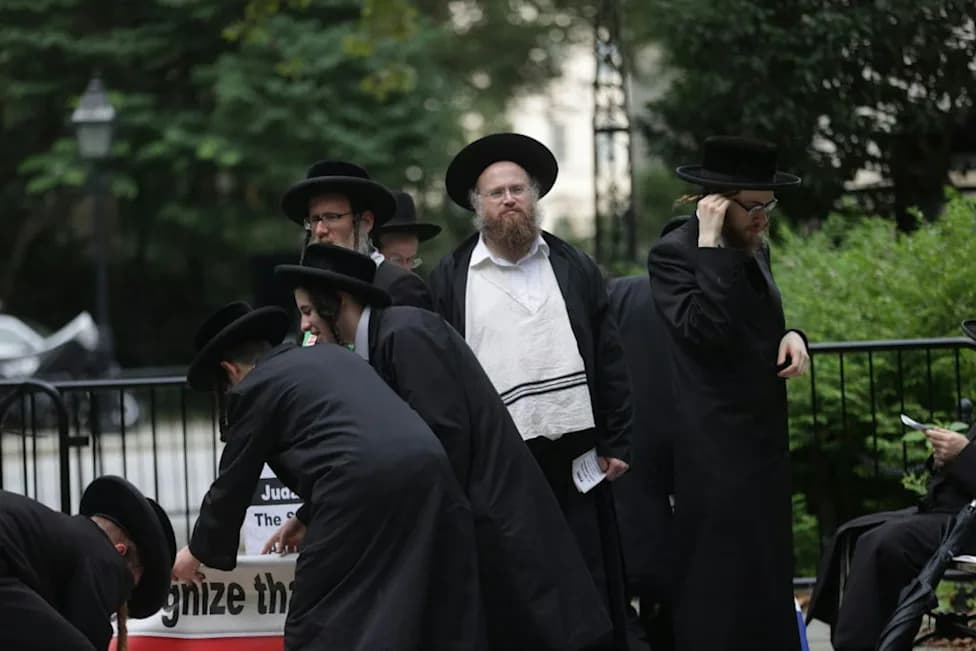
Trump Tries to Deport Hasidic Jew Who Protested Israel
The Trump administration has moved to revoke the visa and seek deportation of Yehonatan Ovadia, a Hasidic religious teacher detained after participating in an October 2023 protest in Rockland County, New York, where an Israeli flag went missing from a local town hall.
Background
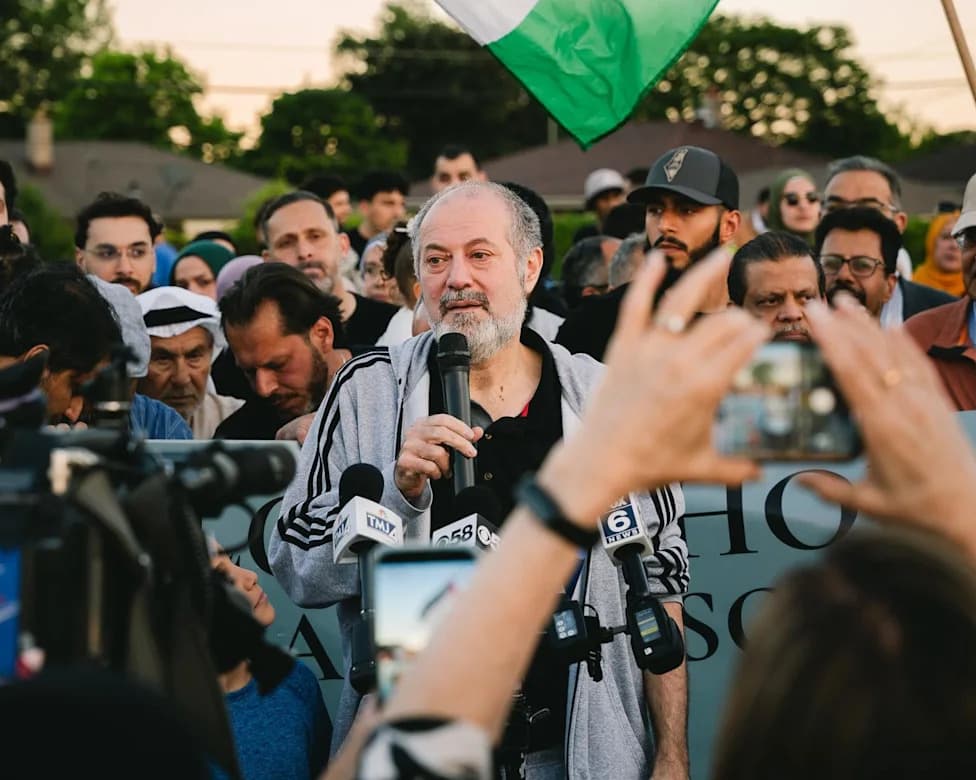
Ovadia, an Israeli citizen and member of the Satmar sect — an anti‑Zionist Hasidic group that believes a Jewish state should not be established before the arrival of the messiah — says he attended the demonstration but denies tearing down the flag. Shortly after the protest, he and another sect member were charged with hate crimes; both later pleaded guilty to reduced disorderly conduct charges and paid fines in early 2024.
Visa Revocation and Detention
In August, federal immigration officials revoked Ovadia's religious worker visa and Immigration and Customs Enforcement (ICE) detained him at the Metropolitan Detention Center in Brooklyn. According to reporting, when Ovadia applied to extend his religious worker visa in 2025, the government requested court and police records and then stripped him of legal status.
"He's against the Israeli government and the existence of the state of Israel for religious reasons, but to claim that he's an antisemite is the peak of absurdity," said Eric Lee, one of Ovadia's attorneys.
Ovadia told The New York Times the demonstration was "for Gaza, for the liberation of Gaza, for the rights of the Palestinians and to show to the world that the Jews, real Judaism, want to have peace." His lawyers filed suit arguing the government is effectively punishing his religious and political expression and wrongly conflating anti‑Zionism with antisemitism.
Government Position and Policy Context
The Department of Homeland Security defended the decision in a statement: "It is a privilege to be granted a visa or green card to live in the United States of America. The Trump administration acted well within its statutory and constitutional authority, as it does with any alien who advocates for violence, glorifies and supports terrorists, harasses Jews and steals property."
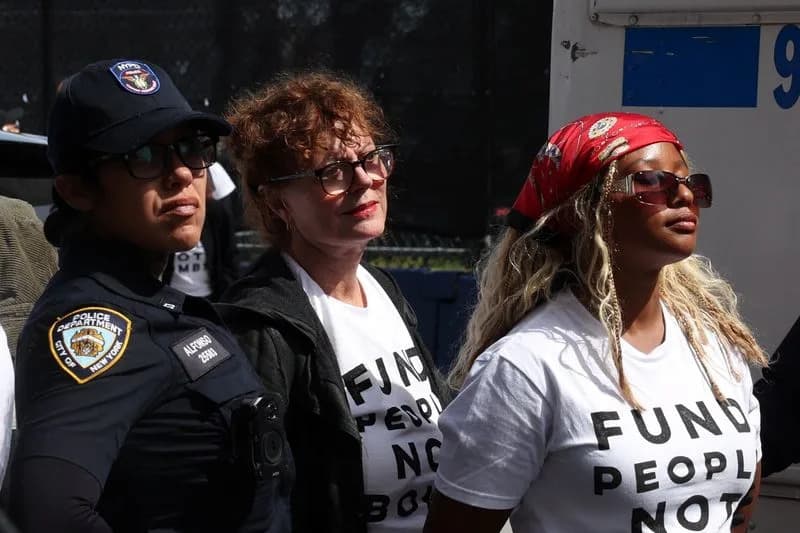
Advocates and legal experts say the action fits within a broader White House push to target noncitizen pro‑Palestinian activists following an executive order directing DHS to pursue noncitizen activism it deems antisemitic. Civil liberties groups have warned that conflating political or religious speech with antisemitism can chill protected expression and raise serious due‑process concerns.
Next Steps
Ovadia's lawyers say they will request his release at an upcoming bond hearing. If the government prevails in immigration proceedings, Ovadia could be deported to Israel — the country where the protest took place and of which he is a citizen. The case raises questions about the limits of immigration enforcement, political speech, and religious belief.
Help us improve.