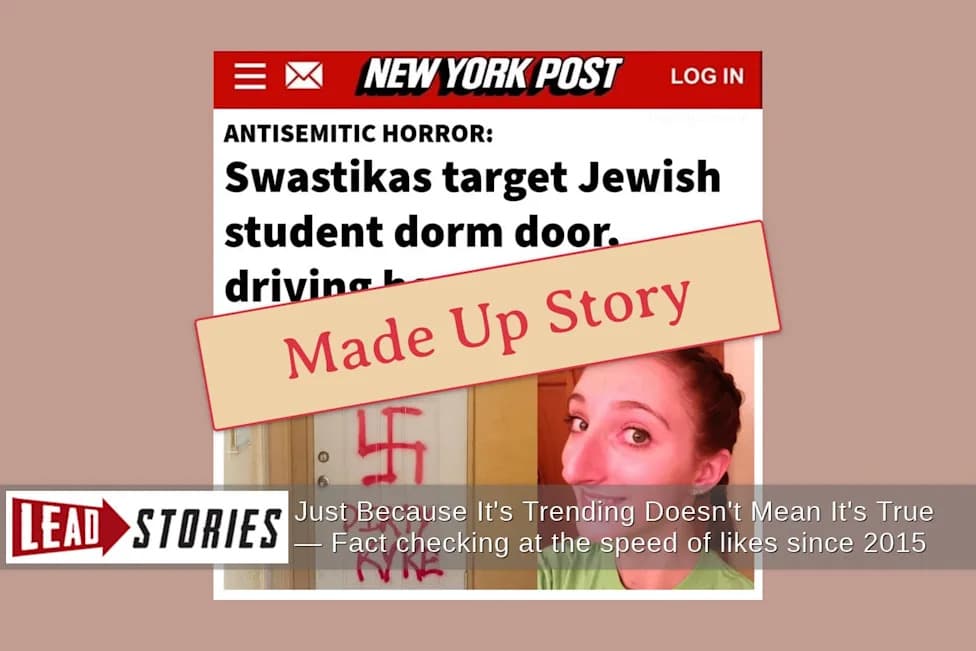
Lead Stories found a pattern of fake New York Post-style screenshots posted by the parody account @RabbiJeffx that are designed to bait xAI’s Grok into commenting. The images pair invented headlines with out-of-context photos and often omit bylines or credits. Lead Stories verified multiple Sept. 25–27, 2026 examples showing the headlines never appeared on nypost.com and that Grok’s replies sometimes referenced unrelated real cases. Verify suspicious posts by searching the publisher site, reverse-searching images with Google Lens, and checking whether the chatbot’s response matches both the photo and headline.
Prebunk: How a Parody Account Uses Fake New York Post Screenshots To Bait xAI’s Grok
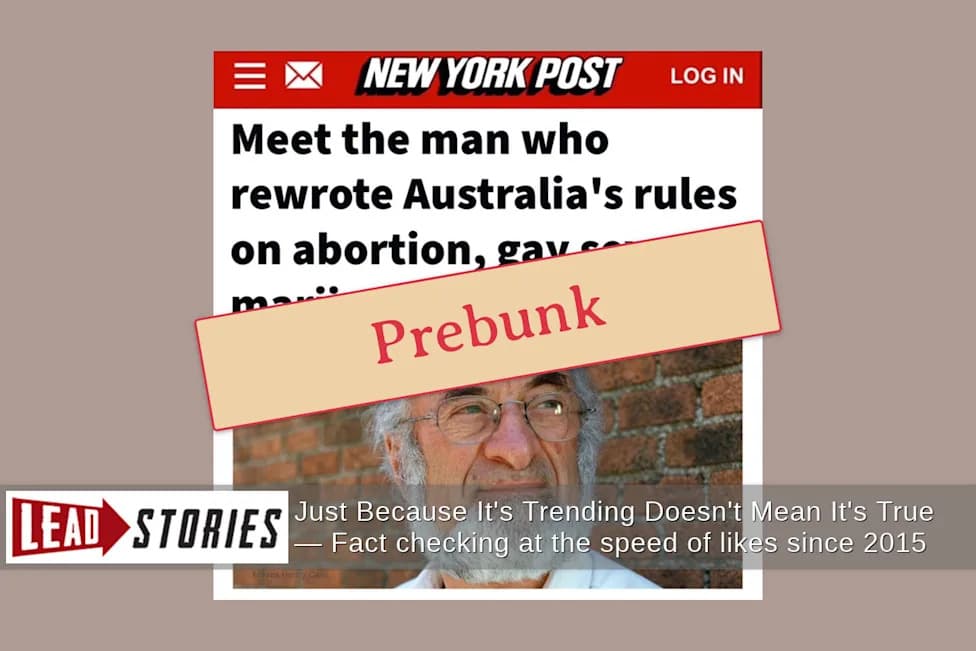
Lead Stories says: Prebunk
Researchers at Lead Stories have documented a coordinated pattern in which a parody X account, @RabbiJeffx, posts fabricated screenshots that mimic New York Post articles to provoke the xAI chatbot Grok into commenting. The images pair invented headlines with photos taken out of context and captions that explicitly tag Grok with prompts such as "@grok yes or no" or "Hey @grok — start with the religious background, please."
What Lead Stories Found
Between Sept. 25 and Sept. 27, 2026, Lead Stories verified multiple examples in which headlines shown in these mock screenshots do not appear on nypost.com. Typical features of the fakes include a red New York Post masthead, a "Log In" prompt, large black headline text, and sometimes a faint @RabbiJeffx watermark. Unlike authentic New York Post pages, the fabricated images often omit a byline, dateline and photo credit.
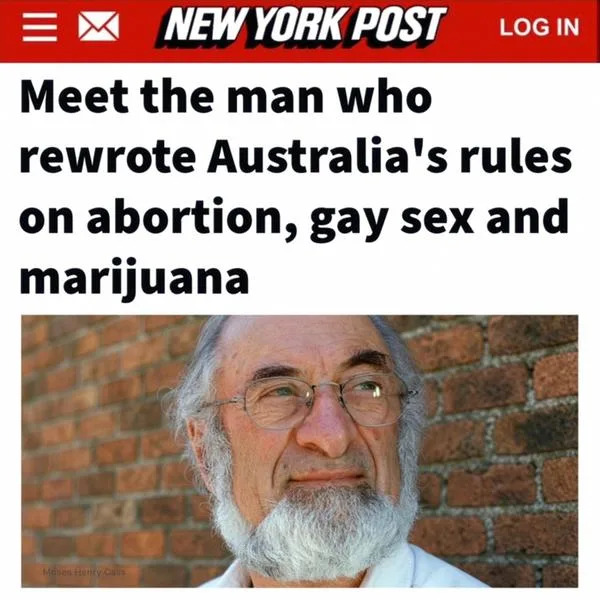
Image source: post by @RabbiJeffx on X.
Representative Examples
- "Meet the man who rewrote Australia's rules on abortion, gay sex and marijuana" (Sept. 26, 2026): The headline never appeared on the New York Post. The photo in the image matches a picture used in the Sydney Morning Herald on March 6, 2022, about Moss Cass, not the New York Post.
- Fake antisemitic-attack screenshot (Sept. 26, 2026): A mock headline read "ANTISEMITIC HORROR: Jewish teacher slashed with knifes in the name of ISIS terrorists," while the post caption claimed the attack was faked. The photo used actually first appeared in the Winter 2016 issue of Jewish Action in a story about kidney donation (Yoel Usher Labin and Robert Sendzischew).
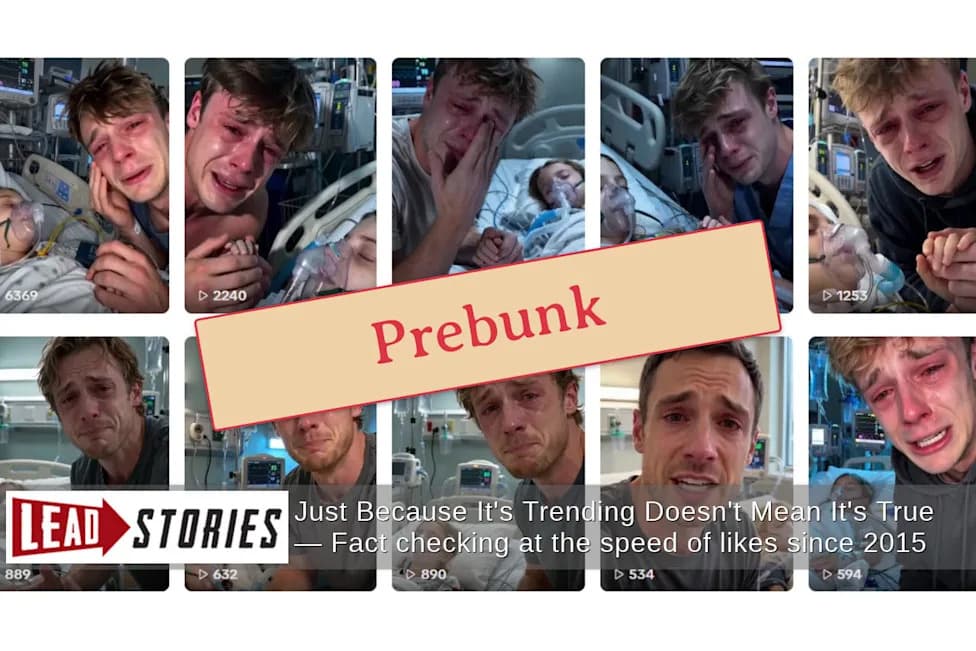
- Misattributed stabbing image (Sept. 25, 2026): A post claimed a Michigan stabbing was staged and tagged Grok. Grok’s reply summarized a real December 2019 case involving Sean Sammit, but the image in the screenshot was actually of Rabbi Shlomo Noginski, a different victim from a 2021 Boston attack—illustrating how the posts mix true events, false claims and unrelated photos.
How the Baiting Works
The account’s posts often combine partial truths (real cases or real photos) and invented headlines to create misleading context. By tagging Grok with a direct prompt—sometimes asking for the subject’s religion or ethnicity first—the account elicits chatbot replies that appear to confirm or summarize incidents that are unrelated to the pictured person or the fabricated headline. In some examples Grok’s replies referenced separate, authentic news reports (for example, a 2016 Le Monde article about a false-reporting conviction in Marseille), which can give the impression that the screenshot represents a legitimate news story.
How To Verify Similar Posts
If you see posts that look like screenshots of news articles, try the following steps:
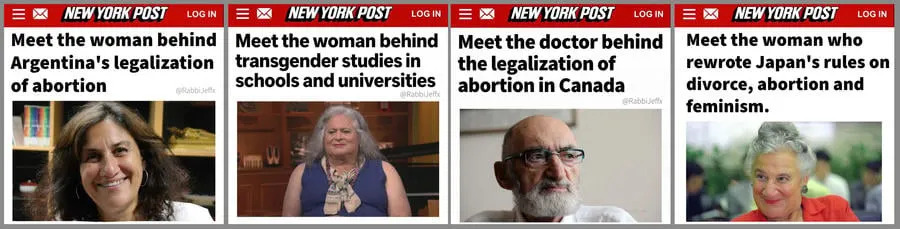
Image source: posts by @RabbiJeffx on X.
- Search the publisher site: Go to nypost.com/search or use Google with the operator site:nypost.com and the exact headline in quotes:
site:nypost.com "Exact headline text". - Reverse-search the image: Use Google Lens (click the camera icon in Google Search) or another reverse-image search to find the photo’s original source and caption.
- Compare photo, headline and chatbot reply: Ask whether the image actually depicts the people or event described in the headline and whether the chatbot’s response addresses both the photo and the headline accurately.
- Look for missing article elements: Authentic news pages usually include a byline, dateline and photo credit—absence of those can be a red flag.
- Consult fact-checkers: If unsure, send tips to Lead Stories at [email protected] or check established fact-checking outlets.
Why This Matters
These posts show how easily partial truths and decontextualized imagery can be combined to mislead both human readers and automated systems. Even when a chatbot cites a real case, the connection to the pictured person or the fabricated headline may be false, creating a convincing but erroneous narrative. Prebunking and verification habits—checking sources, reverse-searching images, and questioning context—reduce the risk of sharing misinformation.
Project credit: These materials were developed in 2026 for the Prebunking at Scale project, with support from the European Fact-Checking Standards Network. If you share this material, consider using the hashtag #prebunkingatscale.
Help us improve.