Phyllis Webstad of the Stswecem'c Xgat'tem First Nation founded Orange Shirt Day after losing a bright orange shirt on her first day at St. Joseph's Mission Residential School on Sept. 30, 1973. In 2013 she helped create the Orange Shirt Society to honor Indigenous children sent to residential and boarding schools and to promote reconciliation and anti-racism. The date, Sept. 30, aligns with when many children were taken from their homes and now serves as both Orange Shirt Day and Canada’s National Day for Truth and Reconciliation.
How One Orange Shirt Sparked a Movement: The Story of Phyllis Webstad and Orange Shirt Day

Phyllis Webstad (Photo/Instagram)
Phyllis Webstad, a tribal citizen of the Stswecem'c Xgat'tem First Nation, turned a painful childhood memory into a movement that has reshaped public understanding of Indigenous residential and boarding schools across North America.
Webstad is the founder and driving force behind Orange Shirt Day, observed each year on Sept. 30. The day honors Indigenous children who were taken from their families and sent to Indian residential schools in Canada and Indian boarding schools in the United States, and it promotes reflection, reconciliation and a commitment to anti-racism.
The choice of the color orange traces back to Webstad's first day at St. Joseph's Mission Residential School in British Columbia on Sept. 30, 1973. Her grandmother had bought her a bright orange shirt for the occasion, but school staff took the shirt away. The loss became a symbol of how children's identities and dignity were dismissed by the residential school system.
"I didn't understand why they wouldn't give it back to me, it was mine! The color orange has always reminded me of that and how my feelings didn't matter, how no one cared and how I felt like I was worth nothing. All of us little children were crying, and no one cared," Webstad recalled.
In 2013, when Webstad returned to St. Joseph's as a survivor, she encouraged other survivors to wear orange T-shirts to remember those who attended residential schools and to honor children who never returned. She helped establish the Orange Shirt Society, and the movement quickly spread across communities, schools and governments.
Webstad has described orange shirts as "a symbol of defiance against those things that undermine children's self-esteem, and of our commitment to anti-racism and anti-bullying in general." At the same time, Orange Shirt Day emphasizes reconciliation, healing and collective responsibility: it invites First Nations, local governments, schools and communities to come together in the spirit of hope for future generations.
Why Sept. 30? The date was chosen because it roughly corresponds to the time of year when many Indigenous children were taken from their homes to residential schools. Webstad also noted that the date helps schools and communities set the tone for anti-racism and anti-bullying policies at the start of the academic year.
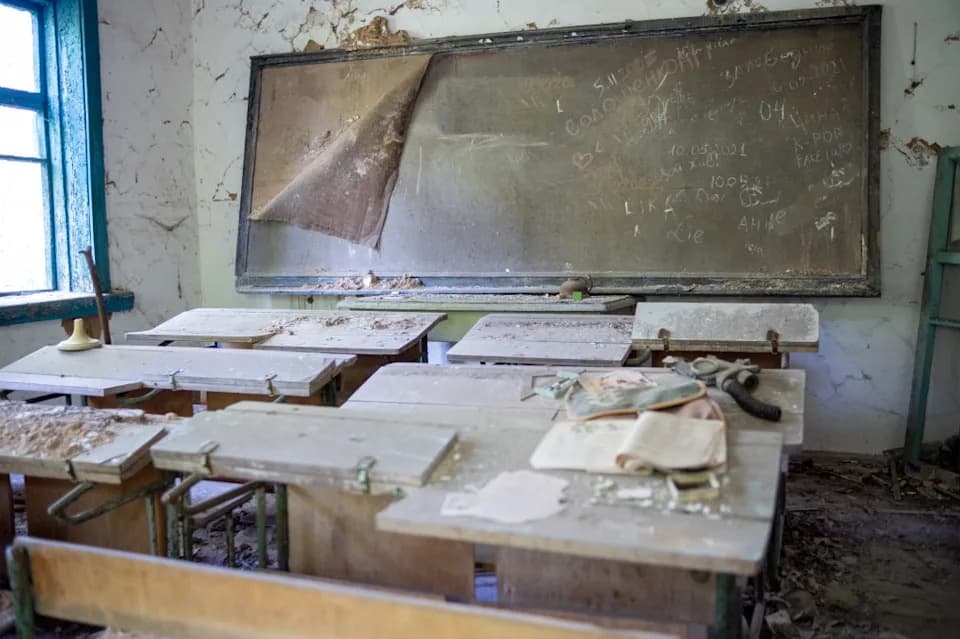
The observance gained a deeper, more somber resonance in 2021, after the discovery of the remains of 215 children at the site of the former Kamloops Indian Residential School. In the months that followed, reports of additional unmarked graves and burial sites at former residential school locations across Canada prompted national grief, renewed calls for investigation, and urgency around reconciliation efforts.
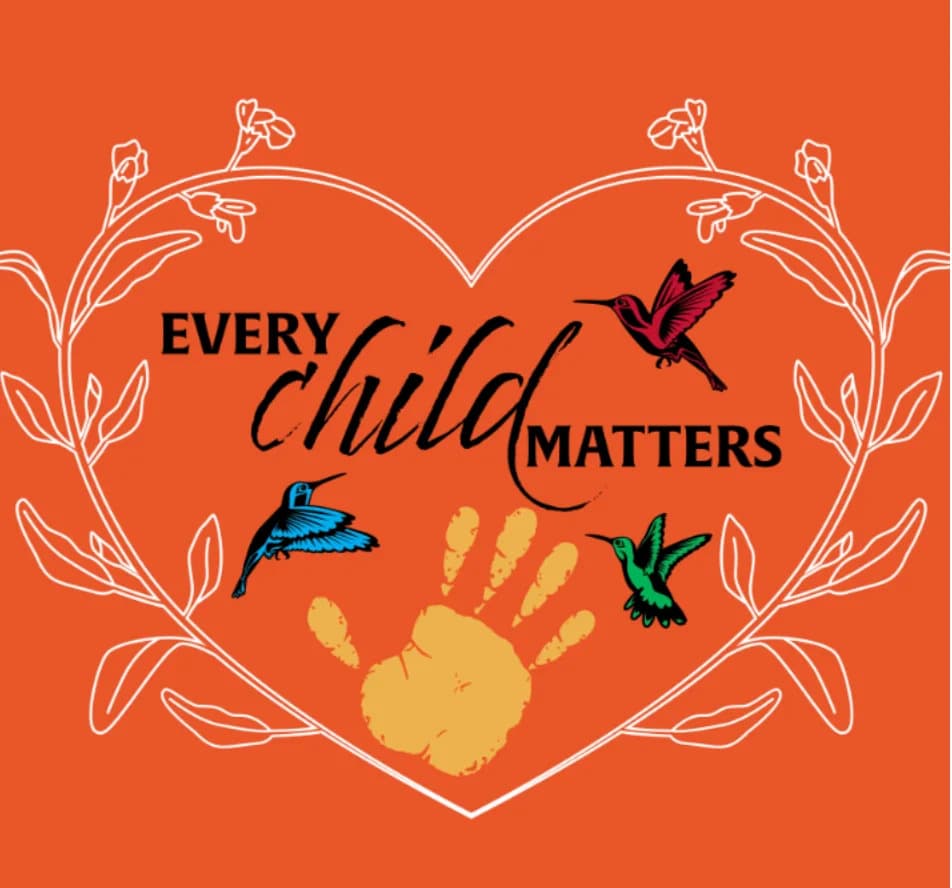
"Every Child Matters" became a rallying cry on shirts, signs and in public discussion. On Sept. 30, 2021, Canada marked the first National Day for Truth and Reconciliation—recognizing the need to remember the harms of residential schools and to work toward meaningful change. For many, however, Sept. 30 will forever be known as Orange Shirt Day, a tribute to the change Phyllis Webstad inspired and a reminder of the ongoing work required to support Indigenous children, families and communities.
Legacy and Action
Orange Shirt Day continues to be a day of education, reflection and action: schools incorporate lessons about residential schools and Indigenous history, communities hold memorials and talks, and organizations use the day to promote policies that protect children's rights and dignity. The orange shirt—once a taken garment—now stands for remembrance, resilience and the collective responsibility to ensure that every child matters.
Help us improve.