Florida's State Board of Education approved a Sept. 16 rule requiring proof of U.S. citizenship or lawful presence for enrollment in certain taxpayer-funded career and technical programs. The restriction affects training for skilled trades such as HVAC, welding, plumbing, electrical work, IT, healthcare support, and automotive repair. Supporters say taxpayer-funded slots should prioritize citizens and lawfully present residents who can immediately work; critics say the rule could limit access and worsen workforce shortages. The decision follows recent Florida votes to restrict undocumented students' access at public colleges and universities.
Florida Bars Undocumented Immigrants From Taxpayer-Funded Trade Schools, Citing Workforce Priorities
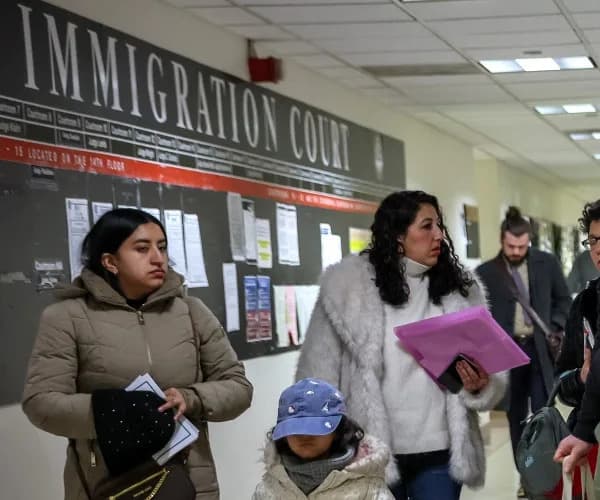
A family in immigration court at the Jacob K. Javits Federal Building on Jan. 28, in New York City. (Michael M. Santiago/Getty Images)
Florida officials have moved to prevent undocumented immigrants from enrolling in taxpayer-funded trade and career programs, expanding restrictions on postsecondary public education as the state prioritizes citizens and lawfully present residents for workforce training.
What the Rule Requires
On Sept. 16, the Florida State Board of Education approved a rule requiring applicants to demonstrate U.S. citizenship or lawful presence before enrolling in certain career and technical education programs. The restriction applies to training that prepares students for skilled trades and other high-demand occupations, including HVAC, welding, plumbing, electrical work, information technology, healthcare support, and automotive repair.
Supporters' Case
Supporters argue the policy directs limited taxpayer funds toward people who can immediately enter the labor market. Writing in The Federalist, Owen E. Richason IV framed the decision as a stewardship issue:
"Prioritizing legal residents is basic stewardship of limited dollars, not cruelty."
Richason and other proponents say training slots funded by taxpayers should be reserved for citizens, green-card holders, and other lawfully present residents who will not be subject to removal and who can legally work upon program completion.
Opposition and Concerns
Teachers' unions and immigration advocates oppose the rule, arguing it could unfairly restrict educational opportunities and worsen shortages in skilled trades by excluding willing trainees. Critics warn the move may reduce the pool of qualified workers at a time when construction, healthcare, and technical fields report staffing gaps.
Broader Context
This trade-school restriction is part of a series of Florida actions tightening access to taxpayer-supported higher education for undocumented residents. Earlier this month, the Florida Board of Governors unanimously voted to bar undocumented immigrants from initial enrollment at the state's 12 public universities beginning in the 2027–28 academic year. In June, the State Board of Education required students at Florida's 28 public colleges to prove U.S. citizenship or lawful presence and barred undocumented immigrants from adult general education programs.
Implications
The rule sets up a policy choice for other states facing technical workforce shortages: whether to allocate limited, publicly funded training to legally authorized workers or to adopt more inclusive enrollment policies that expand access to undocumented residents. Supporters emphasize fiscal stewardship and legal employment eligibility; opponents emphasize access, equity, and the risk of worsening labor shortages.
Sources: Reporting and commentary cited from The Federalist and the News Service of Florida. © 2026 Newsmax.
Help us improve.