President Javier Milei has given the U.K. two weeks to stop work on the Sea Lion oilfield near the Falkland Islands and warned he will seek emergency measures from the International Tribunal for the Law of the Sea if London does not comply. The field is being developed by Navitas Petroleum and U.K.-based Rockhopper Exploration; an Argentine judge has already ordered a temporary pause pending an environmental review. Argentina is investigating roughly 60 companies and has proposed criminal penalties and sanctions for unauthorized resource activity. Critics say Milei may be using the dispute to shore up political support ahead of next year’s election.
Milei Gives UK Two-Week Ultimatum Over Sea Lion Oilfield, Threatens International Arbitration
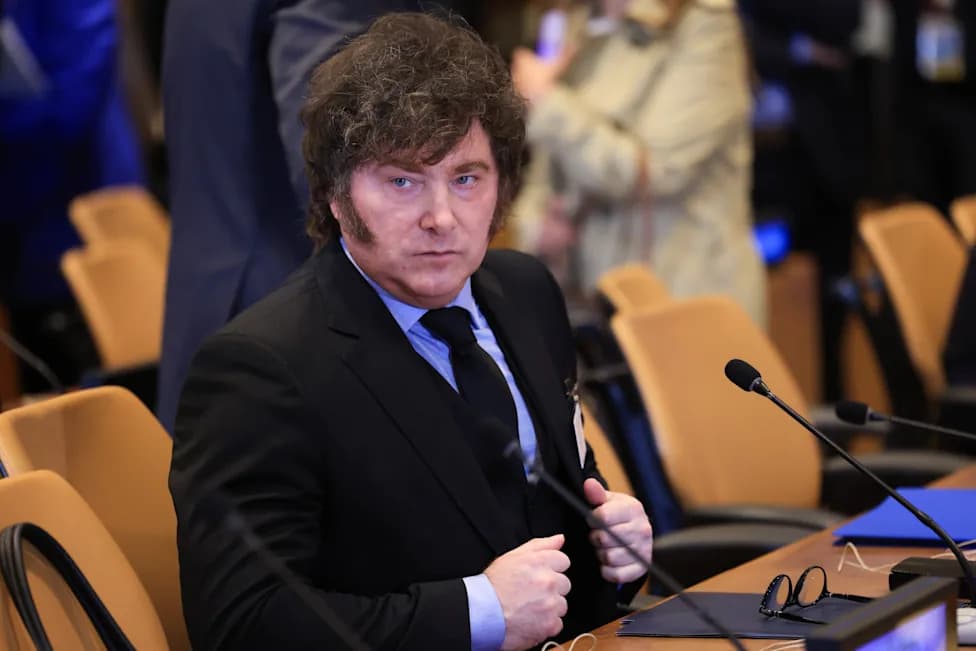
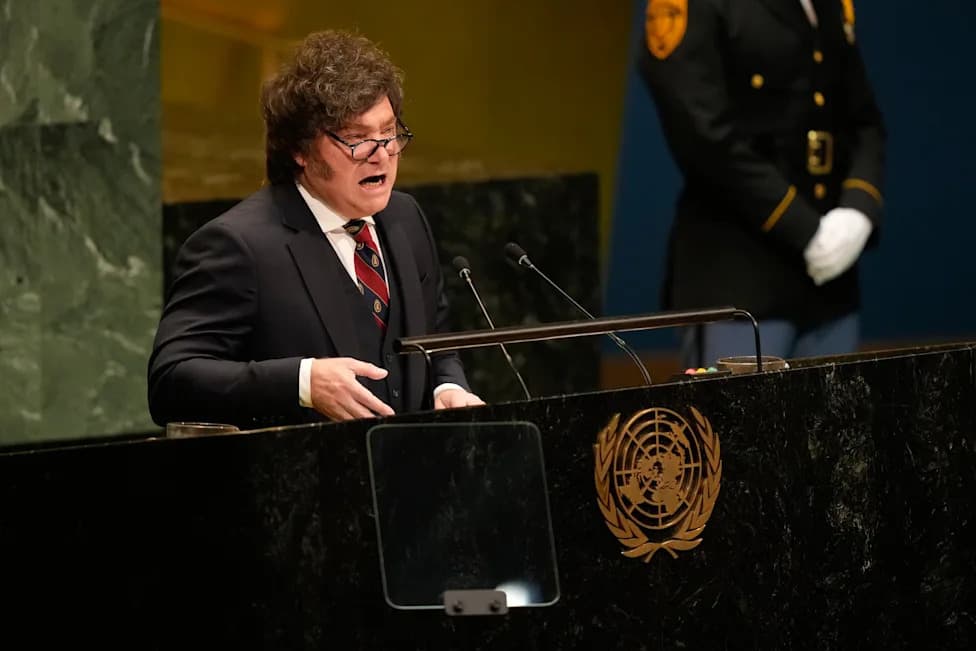
Argentina's President Javier Milei attends a meeting of the multinational political and security coalition "Shield of the Americas" on the sidelines the United Nations General Assembly, Tuesday, Sept. 22, 2026, at the UN headquarters. (Charly Triballeau/Pool Photo via AP)(Charly Triballeau/Pool AFP via AP)
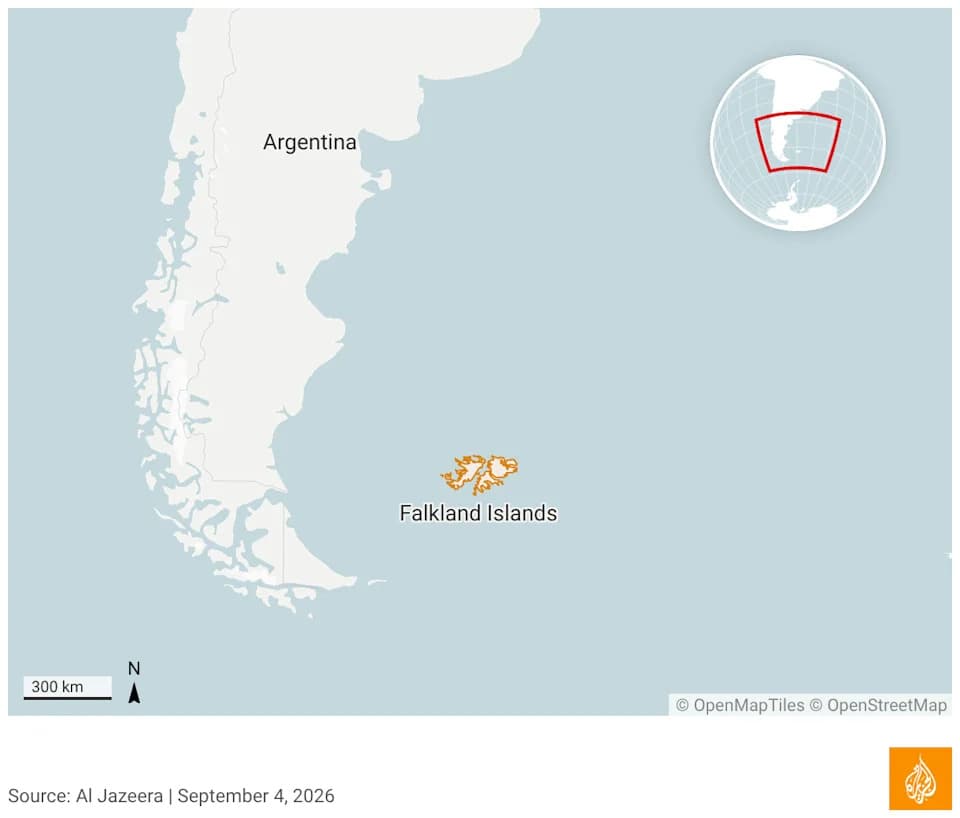
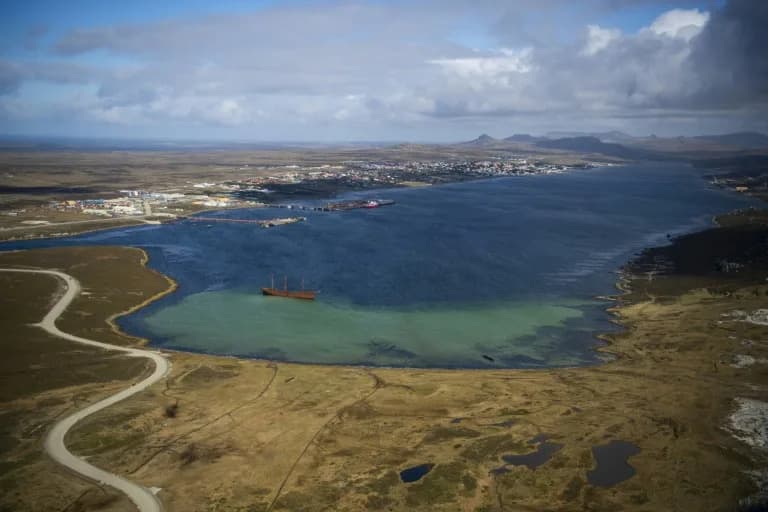
BUENOS AIRES — President Javier Milei on Monday gave the United Kingdom a two-week ultimatum to halt work on the Sea Lion offshore oilfield near the disputed Falkland Islands, warning that Argentina will seek emergency measures from the International Tribunal for the Law of the Sea if London does not comply.
The Sea Lion project is being developed by Israel’s Navitas Petroleum in partnership with U.K.-based Rockhopper Exploration. Milei’s presidential office said Argentina would ask the Hamburg-based tribunal to issue a provisional order to suspend work on the field if the U.K. continues with development.
"Argentina will not stand idly by," the presidential statement said, accusing the U.K. of causing "irreversible and irreparable" damage to Argentina’s maritime rights.
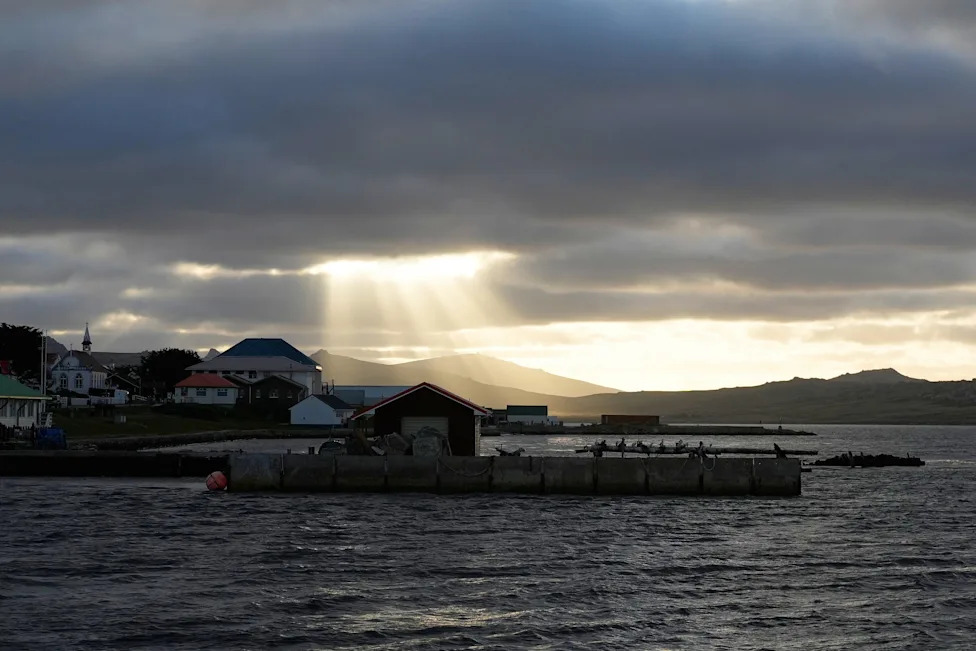
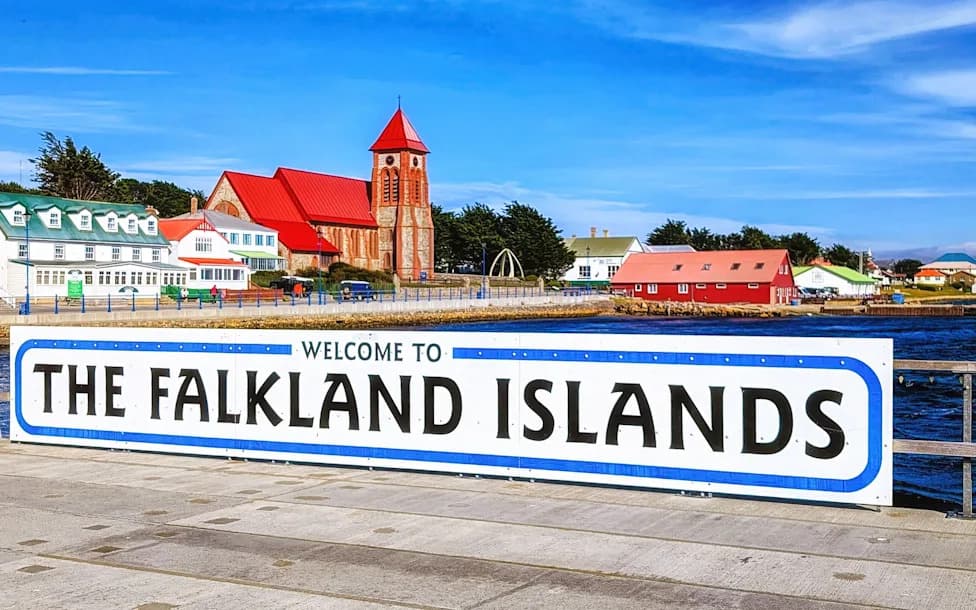
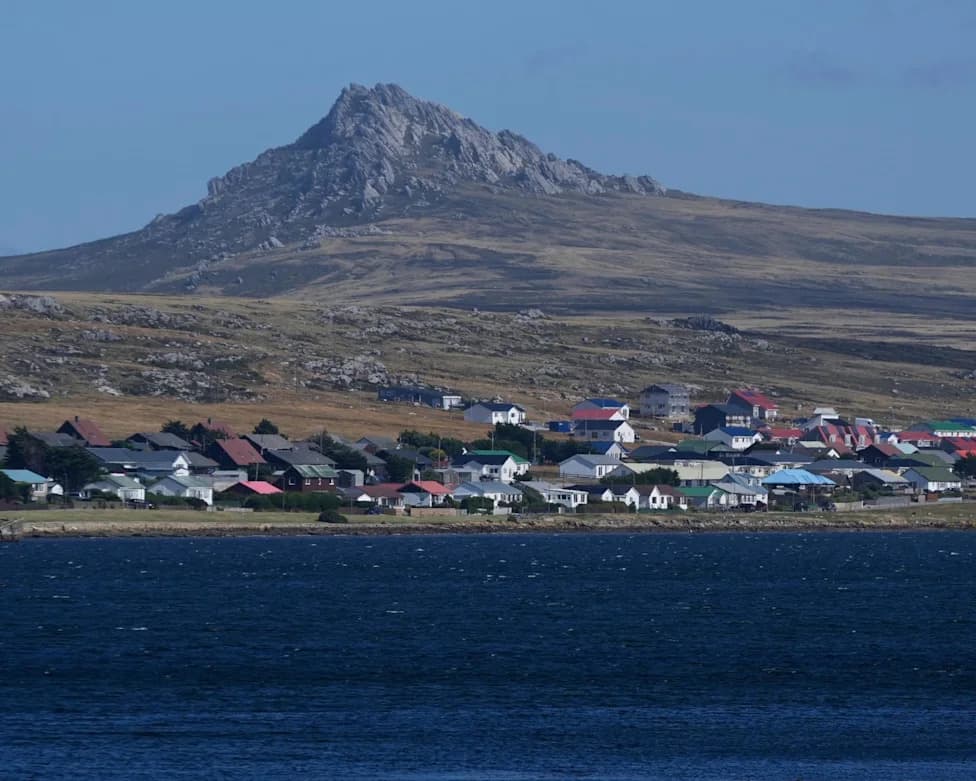
FILE - Sunlight breaks through the clouds over Stanley on the Falkland Islands, also known as Islas Malvinas, March 14, 2026. (AP Photo/Ricardo Mazalan, File)(AP Photo/Ricardo Mazalan)
The International Tribunal for the Law of the Sea, created under the 1982 U.N. Convention on the Law of the Sea, can issue legally binding emergency measures. However, the tribunal lacks direct enforcement powers over sovereign states, meaning compliance ultimately depends on states' willingness to abide by its orders or on diplomatic pressure.
Sovereignty Dispute and Political Context
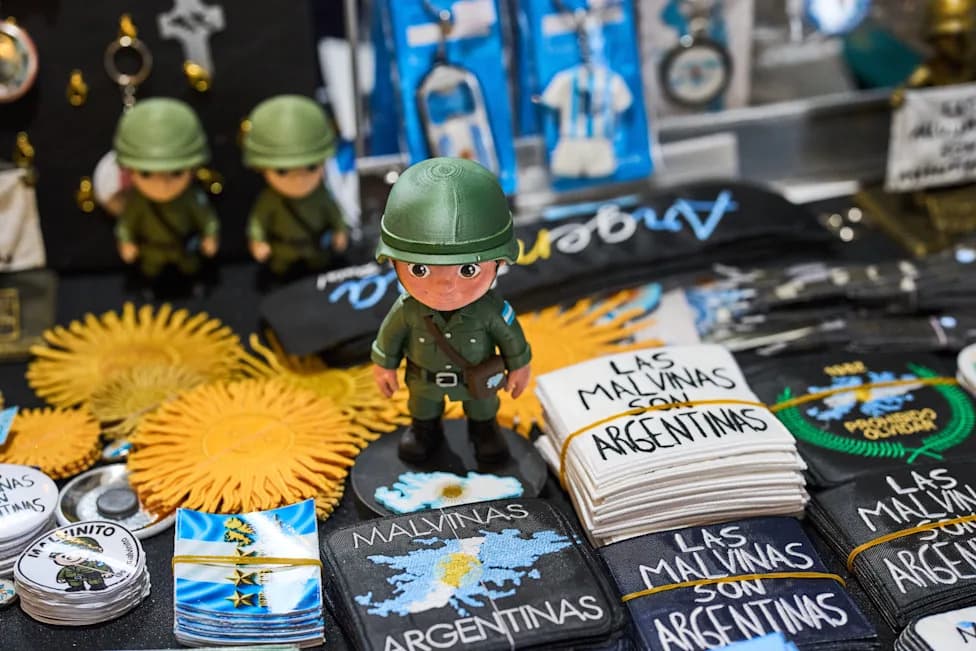
The U.K. rejects Argentina’s sovereignty claim and argues that Falkland Islanders have the right to determine their own future and to develop local natural resources. In a 2013 referendum, residents voted overwhelmingly to remain a British Overseas Territory. Argentina refers to the islands as the Malvinas and maintains they were populated illegally.
Foreign Minister Pablo Quirno called Milei’s move "a historic and unprecedented step" in Argentina’s long-standing push to recover sovereignty. On social media, Quirno warned that anyone who exploits resources in the Malvinas without Argentine authorization would face consequences.
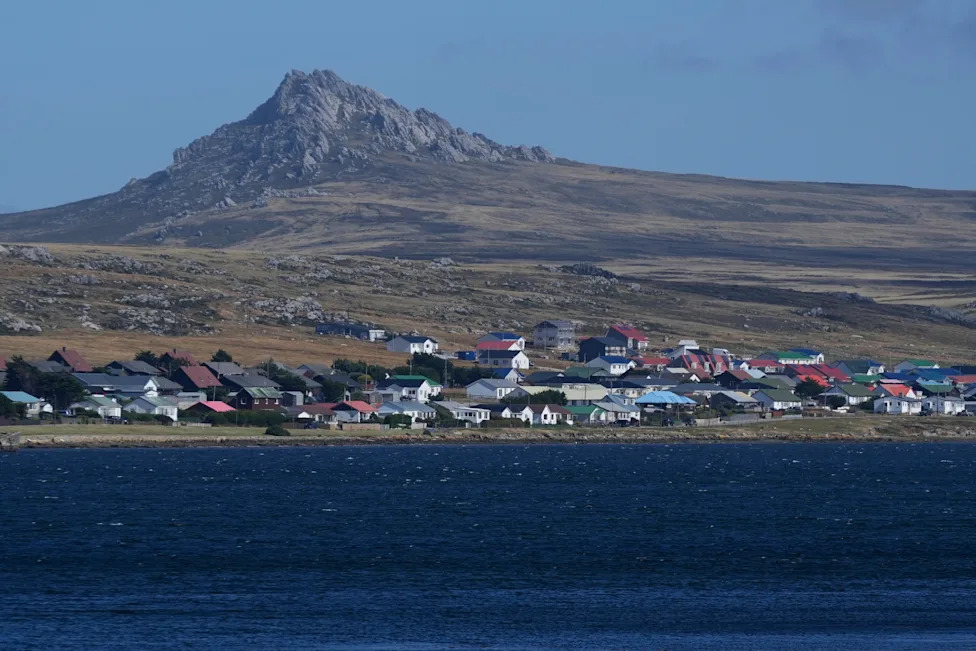
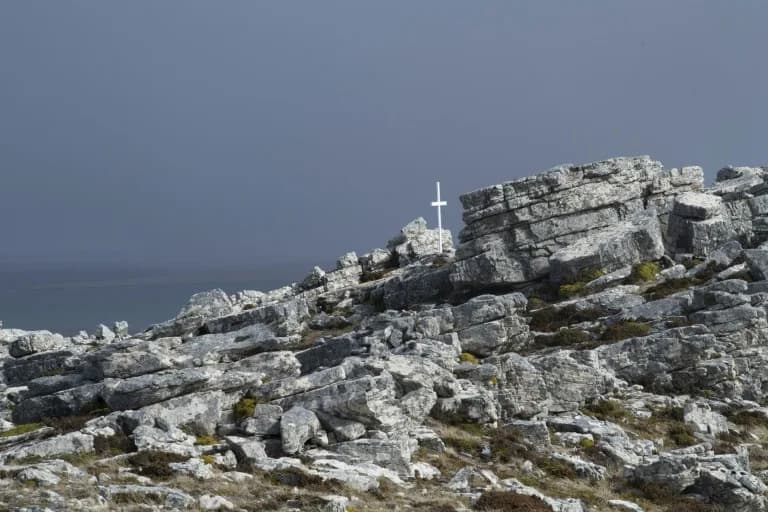
FILE - Mount Tumbledown stands tall behind Stanley on the Falkland Islands, also known as Islas Malvinas, March 16, 2026. (AP Photo/Ricardo Mazalan, File)(AP Photo/Ricardo Mazalan)
Legal, Economic and Political Stakes
Milei — who describes himself as an "anarcho-capitalist" — has shifted to a tougher stance as oil production near the islands approaches a potential start date around 2028. The dispute has wide economic stakes: Argentina has proposed sanctions barring firms that drill around the Falklands from operating in Argentina’s oil and mining sectors and submitted draft legislation to Congress proposing prison terms of up to 20 years for unauthorized resource extraction.
Argentine authorities say they are probing about 60 companies and executives for possible violations related to resource activities around the islands. Separately, an Argentine judge this month ordered a temporary halt to Sea Lion pending an environmental review.
Critics accuse Milei of leveraging the sovereignty issue — one of the rare topics that cuts across Argentina’s political divides — to bolster his standing ahead of next year’s presidential election as the domestic economy struggles. The move also follows comments from U.S. President Donald Trump, a close ally of Milei, who has suggested Washington might reconsider its historical neutrality on the dispute.
Background: The 1982 Falklands War began with an Argentine invasion of the islands and resulted in the deaths of 649 Argentine servicemen, 255 British service members and three islanders. The conflict remains a sensitive chapter in both countries’ histories.
Argentina’s push to use international arbitration and legal mechanisms elevates diplomatic and legal pressure on the U.K., but the outcome — and whether London will comply with any tribunal order — remains uncertain. The dispute is likely to shape regional diplomacy and energy planning in the South Atlantic for years to come.
Help us improve.