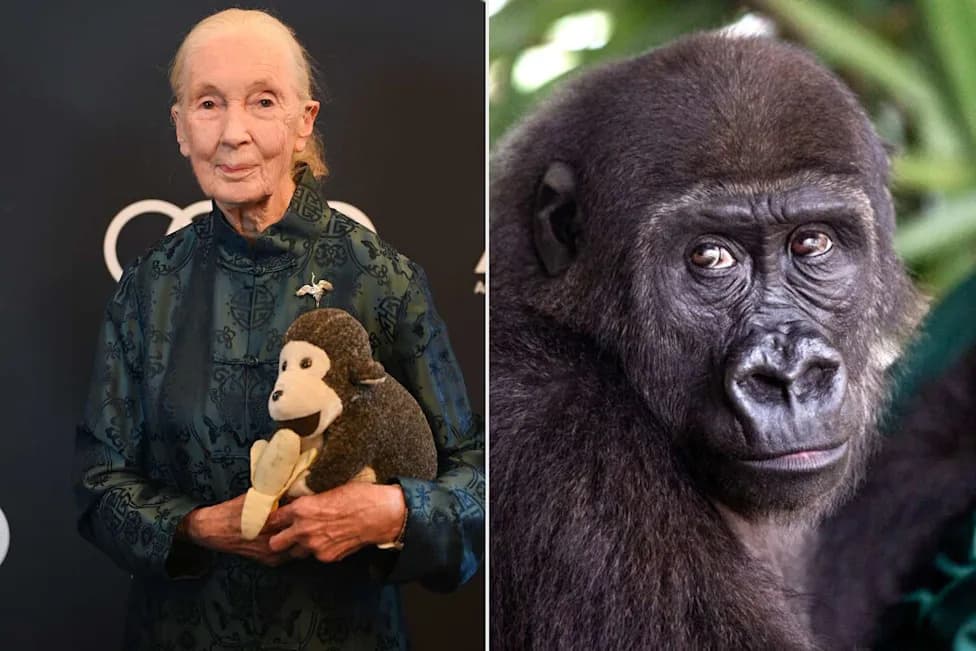
Jane Goodall transformed a landmark scientific discovery—that chimpanzees use tools—into a global conservation mission. She taught that hope must spur action, and that protecting wildlife depends on individuals working together with local communities. The Jane Goodall Institute (founded 1977) continues this work, and Goodall was named a UN Messenger of Peace in 2002.
Jane Goodall’s Lasting Lessons: How Hope, Science and Community Action Can Save Nature
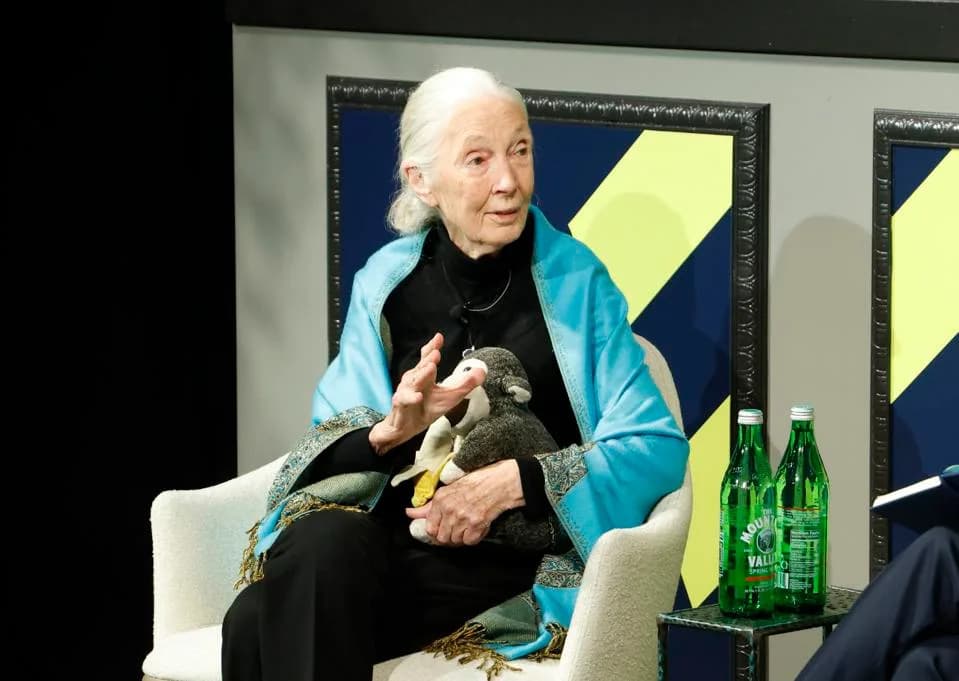
NEW YORK, NEW YORK - SEPTEMBER 22: Dr. Jane Goodall, DBE, Founder, The Jane Goodall Institute and UN Messenger of Peace speaks onstage during the 2025 Forbes Sustainability Summit at Forbes on Fifth on September 22, 2025 in New York City. (Photo by Taylor Hill/Getty Images)
Jane Goodall’s lifelong work—beginning with pioneering studies of chimpanzee behaviour and evolving into decades of global environmental advocacy—offers a practical blueprint for protecting the natural world: people protect what they feel connected to, and small, everyday choices can add up to major change.
NEW YORK, NEW YORK — September 22, 2025: Dr. Jane Goodall, DBE, founder of The Jane Goodall Institute and United Nations Messenger of Peace, spoke onstage at the 2025 Forbes Sustainability Summit at Forbes On Fifth in New York City.
Science That Changed How We See Ourselves
Goodall’s fieldwork produced one of the most influential discoveries in modern primatology: chimpanzees make and use tools. Her observation of a chimp using a grass stem and later slender twigs to extract termites helped overturn the long-held belief that toolmaking was uniquely human. That scientific breakthrough gave her a powerful platform to expand into conservation and education.
A Conservation Philosophy Rooted In People and Hope
At the heart of Goodall’s message is the conviction that every person can contribute to safeguarding nature. She emphasized that conservation is not solely the responsibility of scientists or governments but of everyday people whose habits and choices shape larger outcomes. Her approach blends personal responsibility with community partnership—protecting wildlife and habitats requires working with the people who live alongside those species.
"Hope is not about sitting with your arms folded and hoping that something will happen. Hope is about action." — Jane Goodall, Forbes Sustainability Leaders Summit, 2025
Goodall repeatedly argued that hope must motivate action rather than breed complacency. She combined realism about the scale of ecological threats with optimism about human capacity to change, urging younger generations to become involved and empowering local communities to lead conservation efforts.
Legacy And Ongoing Work
The Jane Goodall Institute, founded in 1977, carries forward this mission through community-led conservation projects, ongoing wildlife research, animal-welfare initiatives, forest restoration programs and youth education. In 2002, then–UN Secretary-General Kofi Annan appointed Goodall a United Nations Messenger of Peace in recognition of her work promoting sustainability and environmental stewardship.
Why it matters: Goodall’s combination of rigorous science, grassroots conservation and a message that links hope with practical action continues to shape how people and organizations approach environmental stewardship worldwide.
Help us improve.