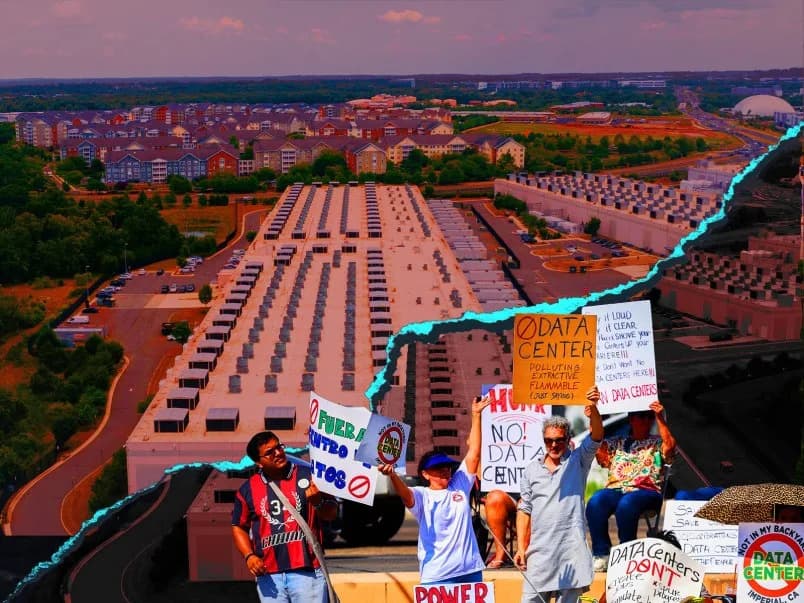
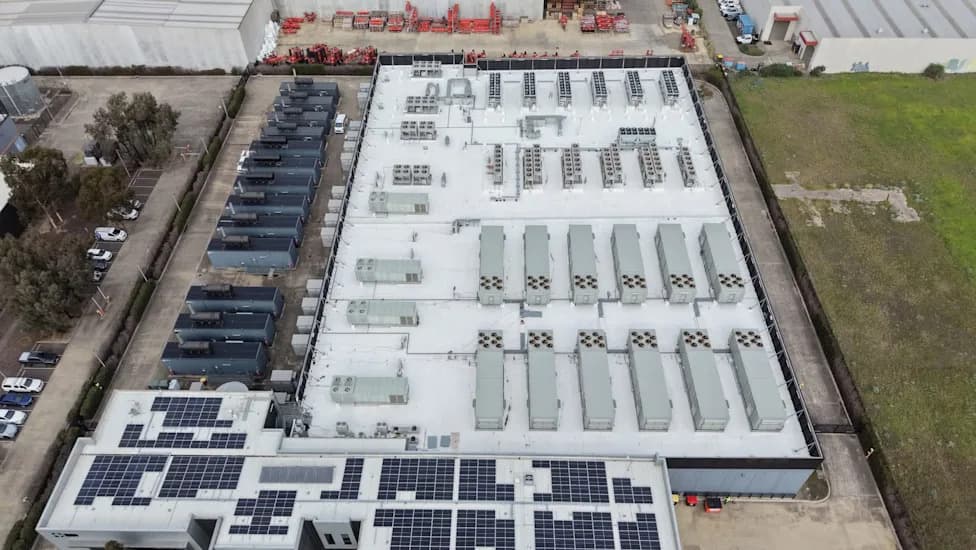
We Make Indiana has asked Microsoft to sign a legally binding "Fair Share Agreement" committing 1% of costs from a planned 900‑acre Granger data center to an independent community fund. The coalition projects the fund could generate about $30M–$40M a year for health care, housing, transportation, environmental protection and workforce programs, though that estimate comes from the advocacy group. Microsoft says investment decisions are not finalized and has not committed; the outcome could set a precedent for how communities negotiate durable benefits from AI infrastructure.
Church Coalition Seeks 1% 'Fair Share' From Microsoft Over 900‑Acre Indiana Data Center
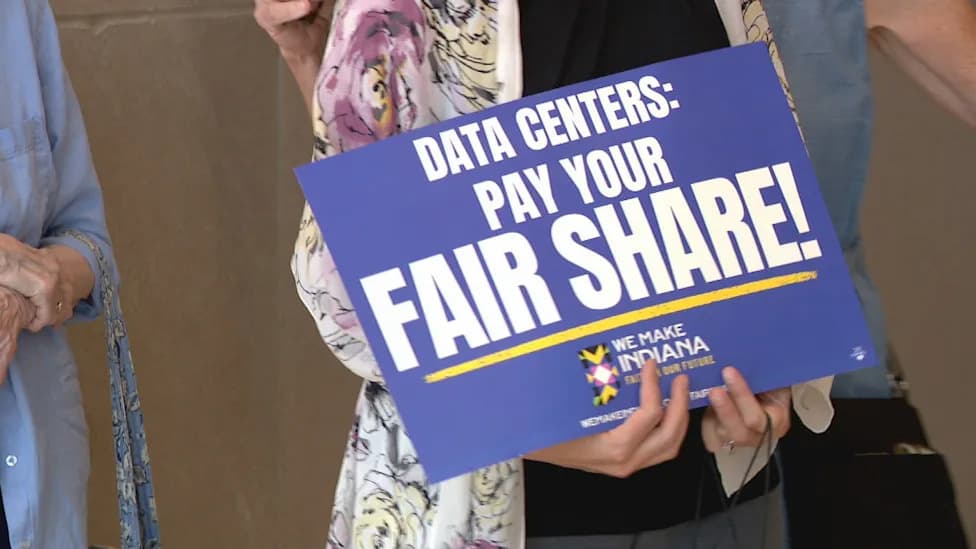
Image: WSBT photo
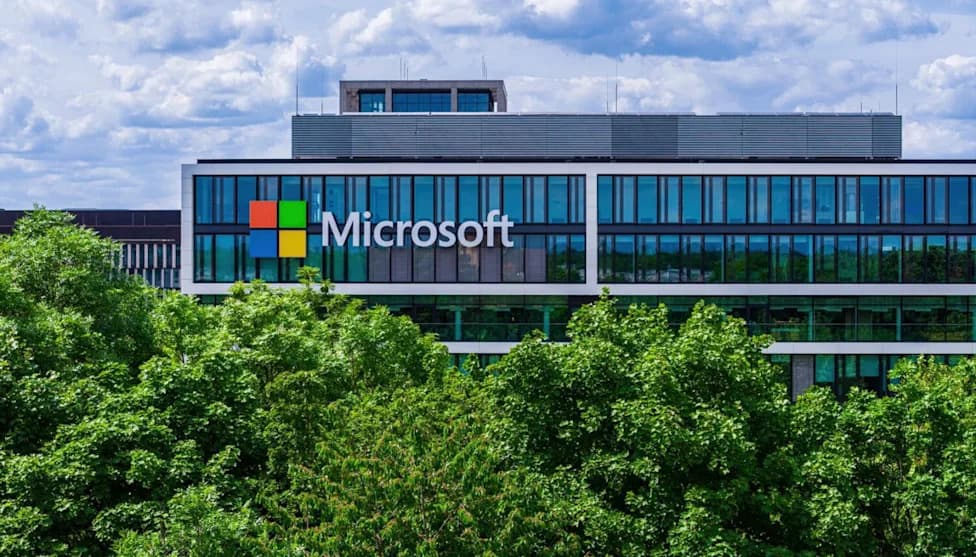
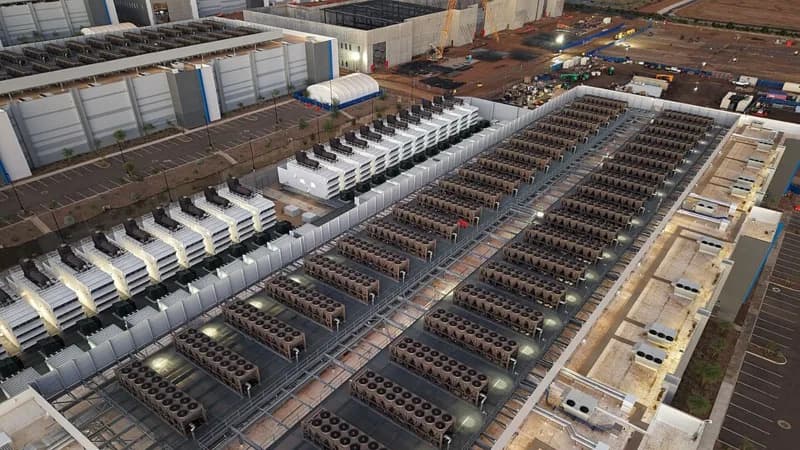
We Make Indiana, a coalition of faith groups and community organizations, has formally asked Microsoft to sign a legally enforceable "Fair Share Agreement" directing 1% of projected costs from a planned 900‑acre data center near Granger in St. Joseph County to a community fund. Construction is expected to begin in fall 2026, with operations possibly starting as early as 2029.
What the Coalition Is Asking For
The proposal would create a recurring, legally binding fund governed by an independent community board rather than by Microsoft. At an estimated 1% of project costs, the coalition projects the fund could generate roughly $30 million to $40 million annually to support health care, child care, elder care, transportation, affordable housing, environmental protection, energy mitigation, and workforce development. The coalition also seeks firmer commitments on water use, air quality, sustainability standards and decommissioning plans.
Microsoft's Response And Local Outreach
Microsoft says investment decisions are not finalized and frames the Fair Share request as part of an ongoing community-listening process. Company representatives told residents at a Granger open house that the site is in an early design phase and that the facility is expected to use a closed‑loop cooling system. Microsoft has supported local voluntary initiatives — including education programs, digital-skills training, community-college partnerships, land preservation and hunger relief — but reporting does not establish the total value of those commitments or whether they address the coalition's specific priorities.
Why The Coalition Is Frustrated
We Make Indiana argues that one‑time or discretionary grants are not proportional to a project of this scale, especially when developers may receive long‑term public tax benefits.
Indiana allows qualifying data centers to receive sales- and use‑tax exemptions on eligible equipment and energy purchases. Exemptions typically run up to 25 years for investments under $750 million and can extend to 50 years for larger projects, according to the Indiana Economic Development Corporation. A state review found seven data‑center projects with a combined expected investment of $20.8 billion; exempt equipment expenditures across those projects were estimated between roughly $2.2 billion and $13.2 billion. At Indiana's 7% sales‑tax rate, analyses have projected potential foregone revenue from the statewide program in a range roughly between $150 million and $900 million — a high‑end estimate reported by WFYI.
Broader Context And Possible Leverage
The Granger dispute is part of a national conversation about community leverage over AI and data‑center infrastructure. In Pennsylvania, Sen. Lindsey Williams proposed legislation that would require data‑center developers to enter legally binding community‑benefits agreements and contribute at least 10% of project costs to local funds — a much higher threshold than We Make Indiana's 1% request (which the coalition said it initially modeled in a 1%–2% range and asked Microsoft to help refine).
Locally, organizers are weighing whether negotiations over tax incentives or approval of a proposed tax‑increment financing (TIF) district covering roughly 4,000 acres (including the Microsoft site) could provide leverage. Those strategies remain under discussion.
Separate Microsoft Projects
For context, Microsoft announced a separate $1 billion data‑center investment in La Porte, Indiana, in 2024 that carries a 35‑year sales‑tax‑credit term. Those incentive terms are distinct from any arrangement for the Granger site and should not be conflated.
Why This Matters
Whether Microsoft agrees to a binding Fair Share Agreement, or whether local officials use incentive negotiations or TIF approval as bargaining chips, could influence how communities nationwide secure durable benefits from AI infrastructure. Granger may become a test case for whether voluntary corporate programs and PR commitments can substitute for legally enforceable, community‑governed funds.
Help us improve.