U.S. President Donald Trump has approved licenses to allow Ukraine to manufacture Patriot interceptors, but experts warn domestic production could take years and will not meet urgent needs. Kyiv endured heavy strikes on Sept. 23—Geran-5 and Shahed drones and ballistic missiles killed at least two and injured 22. Thousands remain trapped under a humanitarian blockade in Russian-occupied Oleshky, though Ukrainian drones delivered nearly 4 tons of food on Sept. 27. Russia also struck Ukraine's steel sector, and analysts say Ukraine is shifting tactics to target Russian supply lines and rear positions.
Day 1676: U.S. Grants Patriot Production Licenses to Ukraine as Kyiv Is Pounded by Drones and Missiles
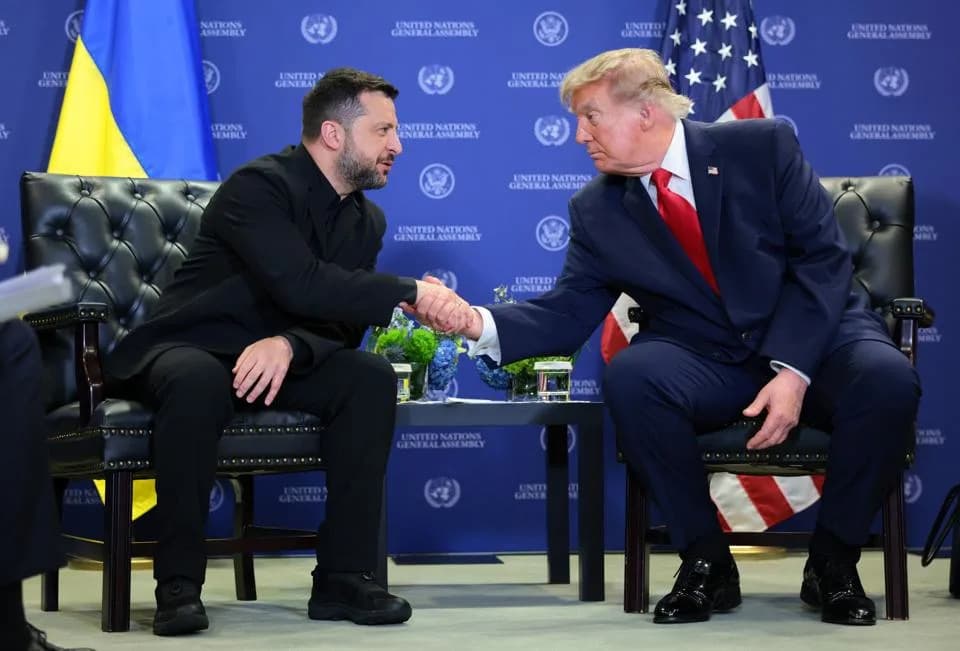
NEW YORK, NEW YORK - SEPTEMBER 22: President of Ukraine Volodymyr Zelensky (L) and U.S. President Donald Trump hold a bilateral meeting in conjunction with the 81st session of the United Nations (U.N.) General Assembly at U.N. Headquarters Photo by Chip Somodevilla/Getty ImagesGetty Images
Dispatches from Ukraine. Day 1676.
U.S. President Donald Trump has approved licenses permitting Ukraine to produce Patriot air-defense interceptors, Ukrainian President Volodymyr Zelenskyy said. Defense experts caution that establishing domestic production will likely take years and will not solve Kyiv’s urgent shortage of interceptors.
Capital Under Fire
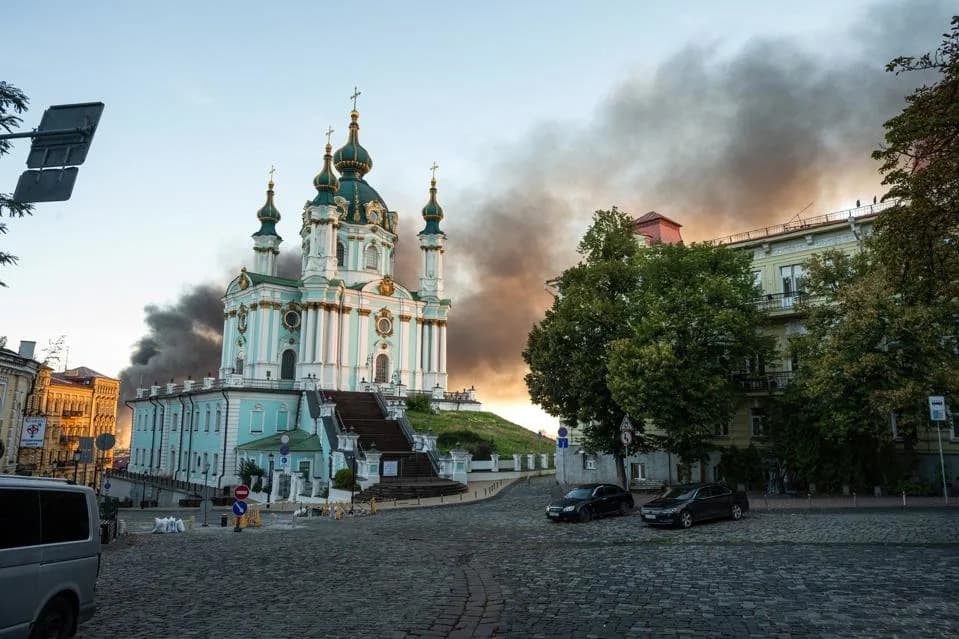
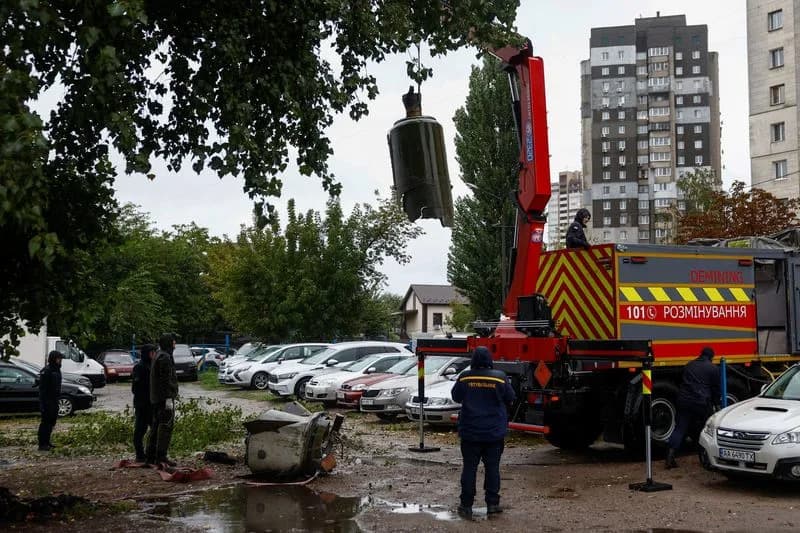
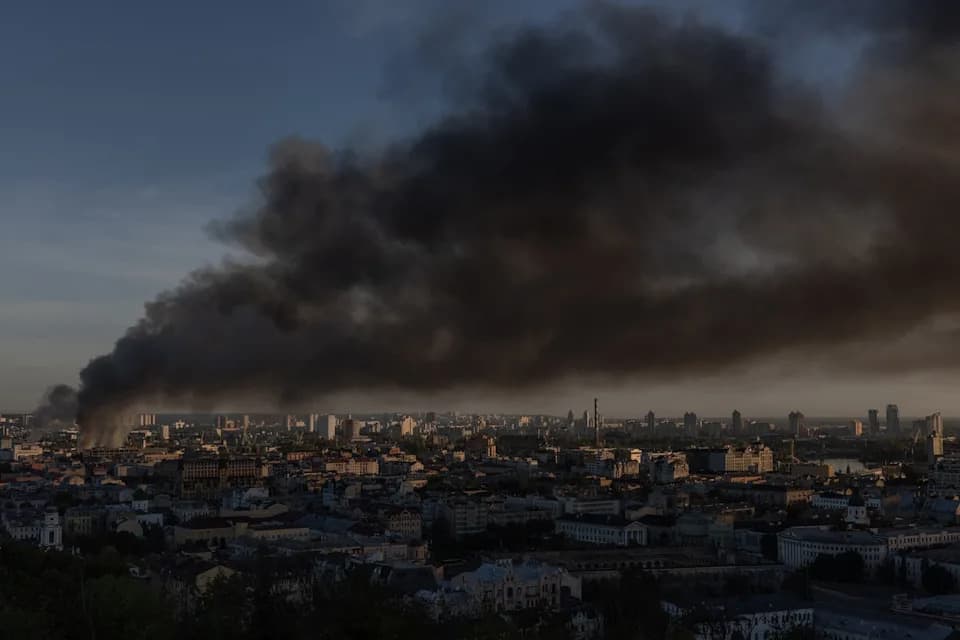
While world leaders gathered at the U.N. General Assembly this week, Russian forces launched sustained strikes on Kyiv, using jet-powered Geran-5 drones, Shahed drones and ballistic missiles that damaged buildings across the city.
A Russian attack on Sept. 23 killed at least two people and injured 22, Kyiv Mayor Vitali Klitschko reported. One victim later died in hospital and another was killed at the scene; 16 of the injured were receiving care in city hospitals. Open-source monitoring channels reported a strike in the vicinity of Kyiv's Central Railway Station, but the state railway operator, Ukrzaliznytsia, later clarified that the station itself was not damaged.
During the attack, a drone struck near Kyiv National University of Construction and Architecture while hundreds of students were attending classes; there were no reported injuries after classes and campus operations were suspended during the air-raid alert. For more than two hours, Geran-5 drones struck central Kyiv, beginning around 9 a.m. along busy routes. At least two Shahed drones hit a business center, injuring several people.
Humanitarian Crisis in Occupied Oleshky
Thousands of civilians in Russian-occupied Oleshky and surrounding communities in the Kherson region face severe shortages of food and medicine amid what officials describe as a de facto humanitarian blockade. Ukrainian authorities report that regular road deliveries have been cut off since late May, with the last successful truck delivery on May 26.
About 2,000 people remain inside Oleshky itself, and roughly 6,000 people, including about 180 children, are stranded across Oleshky and nearby villages. Local officials and volunteers say Russian forces are preventing civilians from leaving, and that land mines, fighting and drone strikes have made evacuation routes dangerously difficult. Residents report surviving on dwindling store supplies, homegrown vegetables and foraged plants. Local sources have reported deaths linked to starvation and lack of medical care. On Sept. 27, Ukrainian forces said they used drones to deliver nearly 4 tons of food to about 100 locations across Oleshky.
Industry and Infrastructure Struck
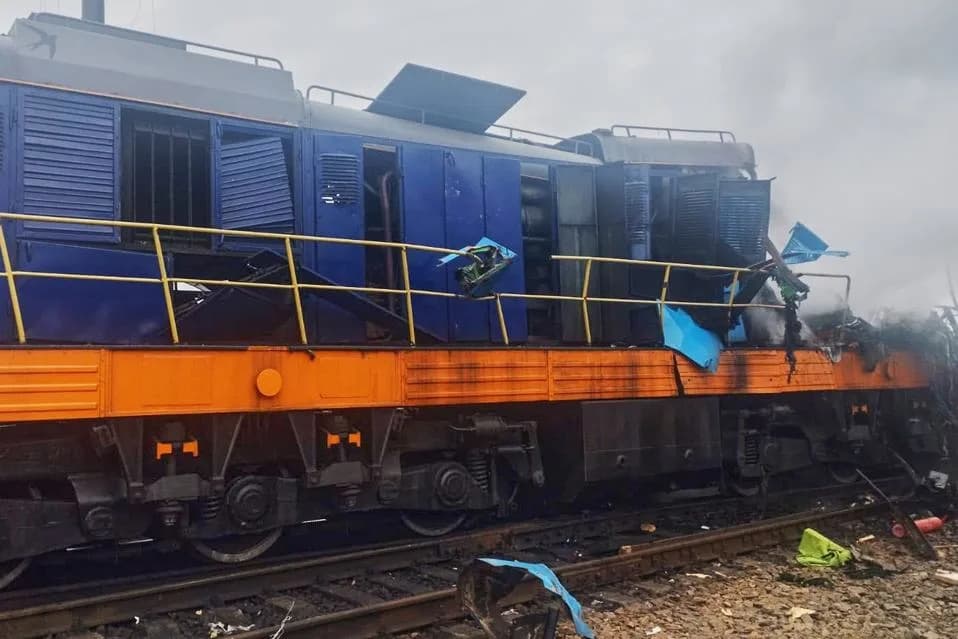
Russia has also targeted Ukraine’s steel sector. On the night of Sept. 21–22, a ballistic missile struck a civilian industrial facility belonging to Interpipe, a major Ukrainian producer of steel pipes and railway wheels; four employees were killed and seven were injured. ArcelorMittal announced it cannot safely and sustainably resume operations at ArcelorMittal Kryvyi Rih — Ukraine’s largest steel plant — after the facility endured four missile strikes over five weeks.
Battlefield Developments
Analysts at the Institute for the Study of War (ISW) report Ukrainian forces are adjusting counteroffensive tactics: prioritizing strikes on Russian supply lines, reinforcements and logistics nodes before assaulting enemy troops that have infiltrated Ukrainian positions. In the Lyman direction, Ukrainian units reportedly struck Russian logistics and reinforcement elements, isolating some enemy troops and enabling Ukrainian advances into rear areas, including positions used for drones and electronic warfare.
The ISW assessment also cites Russian military bloggers and a Ukrainian commander who said poor and inaccurate battlefield reporting inside the Russian military contributed to Ukrainian gains near Lyman by keeping some Russian commanders unaware of Ukrainian preparations.
This article was originally published on Forbes.com.
Help us improve.