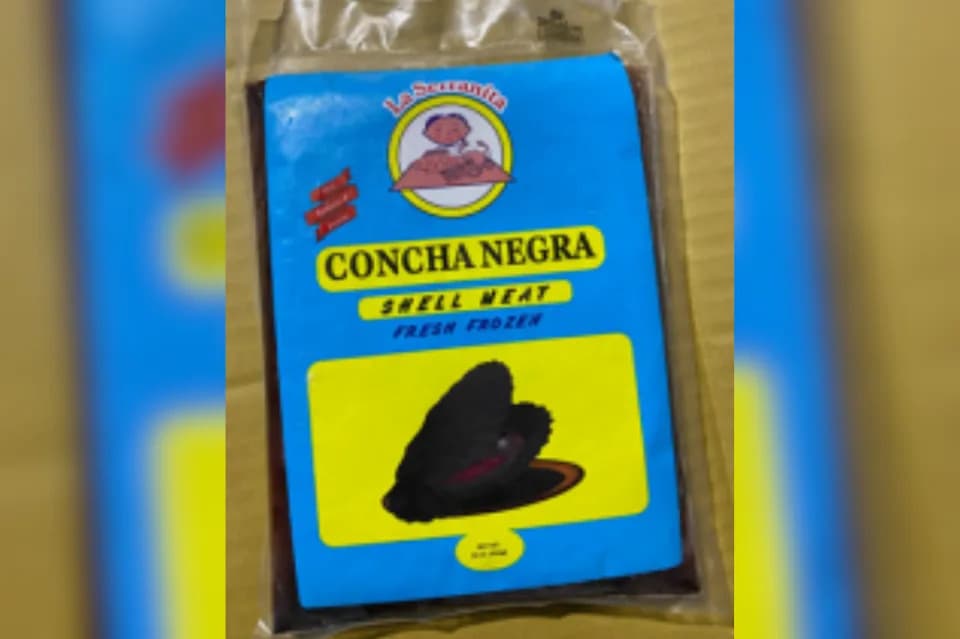
The FDA and CDC are investigating a hepatitis A outbreak linked to La Serranita–brand concha negra (black clams) imported from Ecuador. As of Sept. 17, 2026, there are 37 confirmed cases and 30 hospitalizations; illnesses began between July 30, 2025 and June 23, 2026. The FDA urges consumers, retailers and restaurants not to eat, sell or serve the 16-ounce packaged product distributed to multiple U.S. states. Hepatitis A can take weeks to show symptoms, and freezing does not destroy the virus.
FDA Warns: La Serranita Black Clams From Ecuador Linked to Hepatitis A — 30 Hospitalized
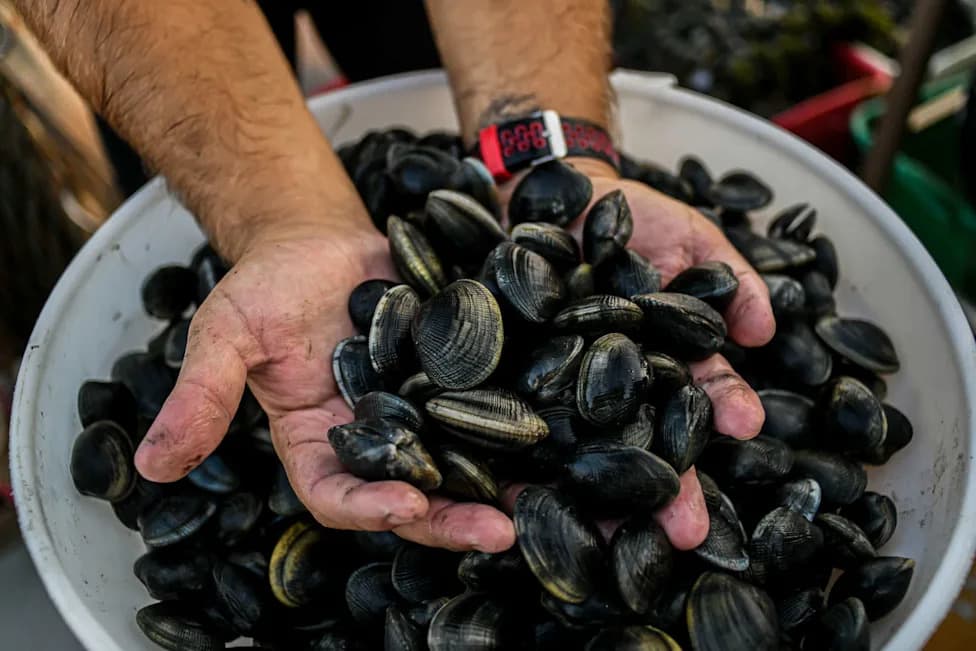
Photo Credit: Getty Images
Federal Warning: The U.S. Food and Drug Administration (FDA) and Centers for Disease Control and Prevention (CDC) are investigating a hepatitis A outbreak linked to La Serranita–brand concha negra (black clams) imported from Ecuador. Do not eat, sell, or serve this product.
Investigation Details
The frozen shellfish was sold in 16-ounce plastic packages under the La Serranita brand. As of Sept. 17, 2026, health officials report 37 confirmed cases in this outbreak, with 30 people hospitalized. Officials say illnesses began between July 30, 2025 and June 23, 2026.
State and local investigators interviewed patients about foods consumed in the 15–50 days before they became ill. Among those interviewed, 77% reported eating ceviche, 76% reported eating raw or undercooked shellfish, and 47% reported eating conchas negras raw or undercooked. The FDA warns the product may have been distributed beyond its initially identified areas and was supplied to restaurants and retailers in Connecticut, Massachusetts, New Jersey, New York, Ohio and Pennsylvania.
Health Risks and Symptoms
Hepatitis A is a contagious liver infection caused by the hepatitis A virus. Contaminated food may look, smell, and taste normal; freezing does not inactivate the virus. Symptoms often appear 2–7 weeks after exposure (average onset about 28–30 days) and can include fever, abdominal pain, vomiting, diarrhea, dark urine, pale stools, joint pain, loss of appetite, fatigue and jaundice (yellowing of the skin or eyes).
Adults are more likely than children to show symptoms. Most people recover within two months, though some cases can persist for up to six months.
What Consumers, Retailers and Restaurants Should Do
The FDA advises consumers not to eat La Serranita–brand concha negra clams imported from Ecuador. Restaurants and retailers should not sell or serve the product and should dispose of remaining inventory or contact their distributor to arrange for its destruction. Anyone who may have eaten the product and develops symptoms should contact their healthcare provider promptly. Unvaccinated close contacts or those with potential exposure should consult public health authorities about hepatitis A vaccination or immune globulin.
Context
Federal scrutiny of shellfish and seafood safety has increased recently amid other enforcement actions and emerging contamination concerns, including interdicted clam shipments from China and new investigations into microplastics and aquaculture practices.
Bottom line: If you or your business possess La Serranita concha negra clams imported from Ecuador, do not consume, sell, or serve them. Follow FDA guidance for disposal or return.
Help us improve.