The Kensington Palace exhibition examines Princess Sophia Duleep Singh (b. 8 August 1876), who combined royal connections with outspoken political activism. Influenced by family history — notably her grandmother Jind Kaur — and by Indian nationalists, Sophia moved from courtly life to outspoken criticism of British rule in India. She became a prominent suffragette: selling The Suffragette, attending Black Friday, refusing the 1911 census and joining tax resistance. The show runs at Kensington Palace until 8 November.
From Palace To Protest: Princess Sophia Duleep Singh — The Last Princess Of Punjab
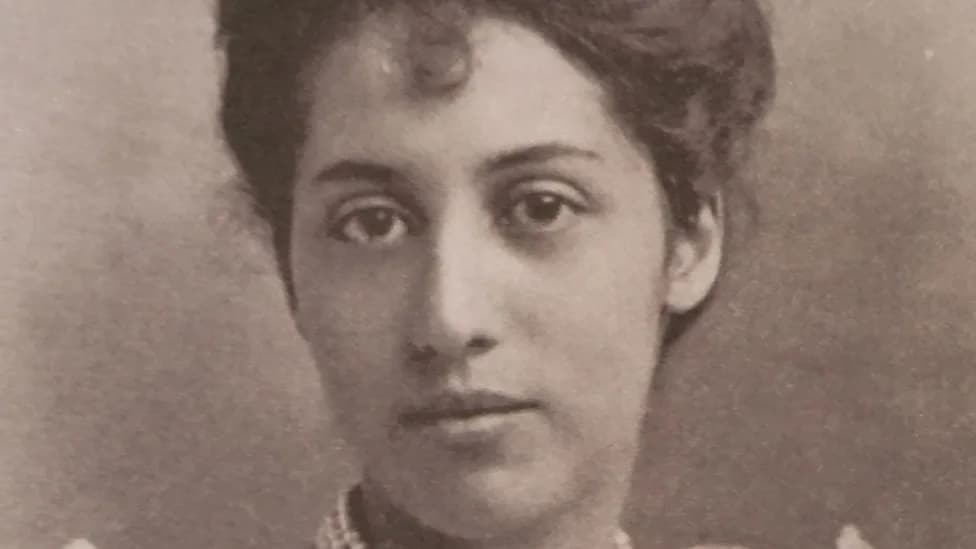
Princess Sophia Duleep Singh's father was the last Maharajah of the Sikh Empire in Punjab, India [BBC]
Princess Sophia Duleep Singh (born 8 August 1876, Belgravia, London) was a British Indian aristocrat who used her privilege to campaign fiercely for women's rights and to criticise British rule in India. Her life — shaped by royal connection, family exile and political conscience — is the subject of the Kensington Palace exhibition The Last Princess of Punjab.
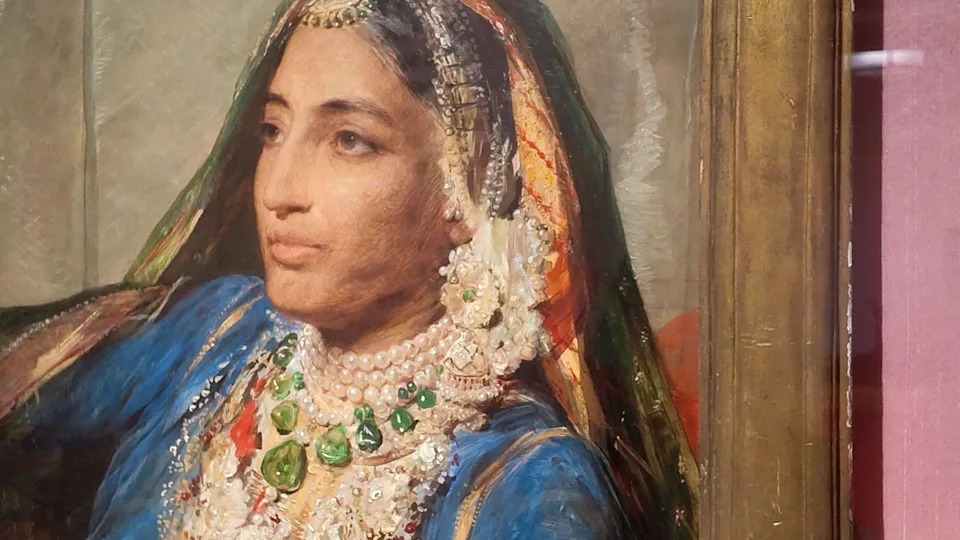
Sophia's grandmother, Jind Kaur fought the British to retain control of Punjab [BBC]
The exhibition brings together photographs, letters, personal effects and archival documents that trace Sophia's journey from socialite in aristocratic circles to determined activist. Her family history provided a powerful backdrop: her father, Maharaja Duleep Singh, briefly succeeded to the throne of the Punjab as a child but lost power when Britain annexed the region in 1849. Separated from his mother, he was brought to England as a teenager and formed a close relationship with Queen Victoria; Sophia therefore grew up with wealth, social standing and ties to the royal household.
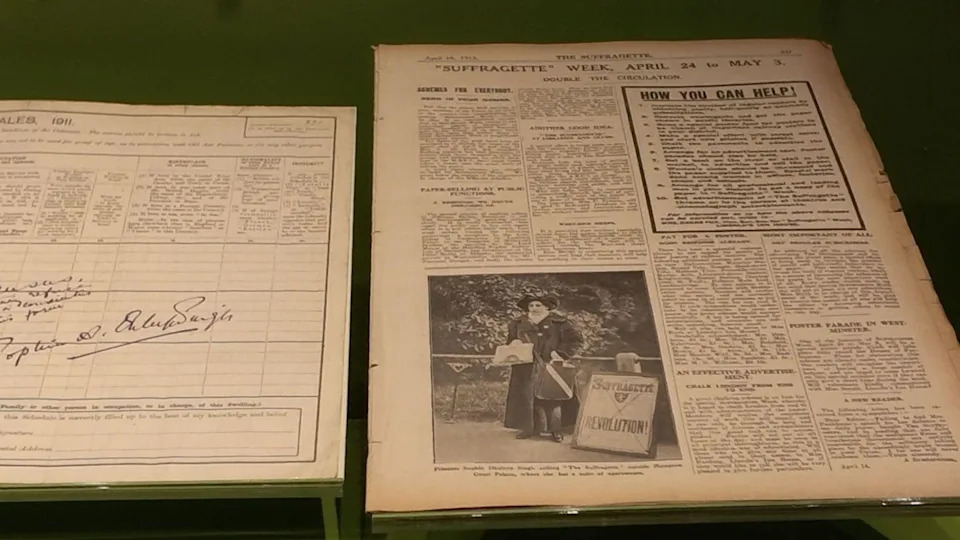
Sophia sold copies of The Suffragette outside Hampton Court Palace [BBC]
Women Who Shaped Her
The show highlights five women who influenced Sophia’s life and outlook: Queen Victoria; her mother, Bamba Müller; her sisters Catherine and Bamba; and her grandmother, Jind Kaur. Jind Kaur, in particular, symbolised defiance — resisting British encroachment on the Punjab — and became a model of independence for Sophia and her siblings.
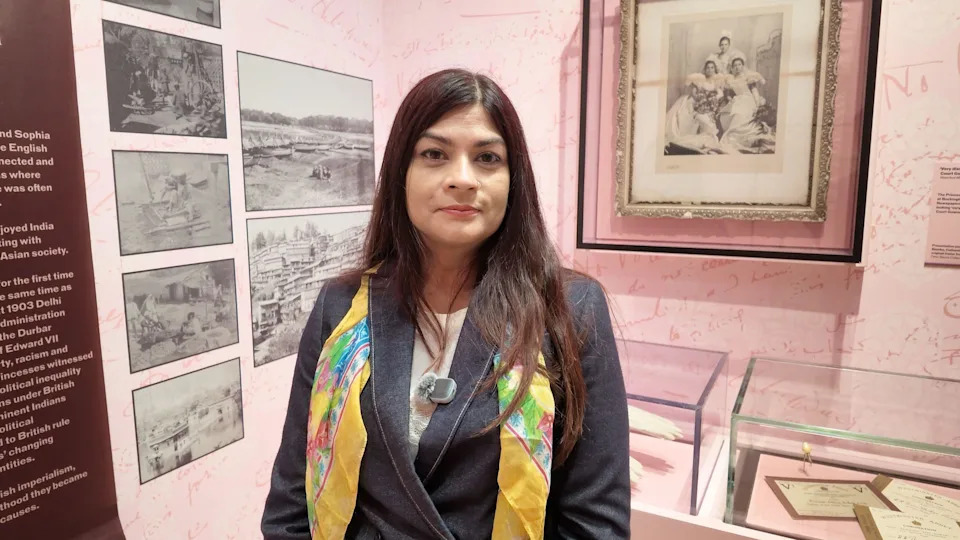
Historian Dr Mishka Sinha describes the exhibition as "path-breaking" [BBC]
From Loyalty To Political Critique
Sophia's political engagement deepened after Queen Victoria's death in 1901. As she learned more about the events that led to the Punjab's annexation, and as she met Indian anti-imperialist activists and nationalist leaders such as Gopal Krishna Gokhale and Lala Lajpat Rai, her views on empire and justice shifted from loyalism to overt criticism.
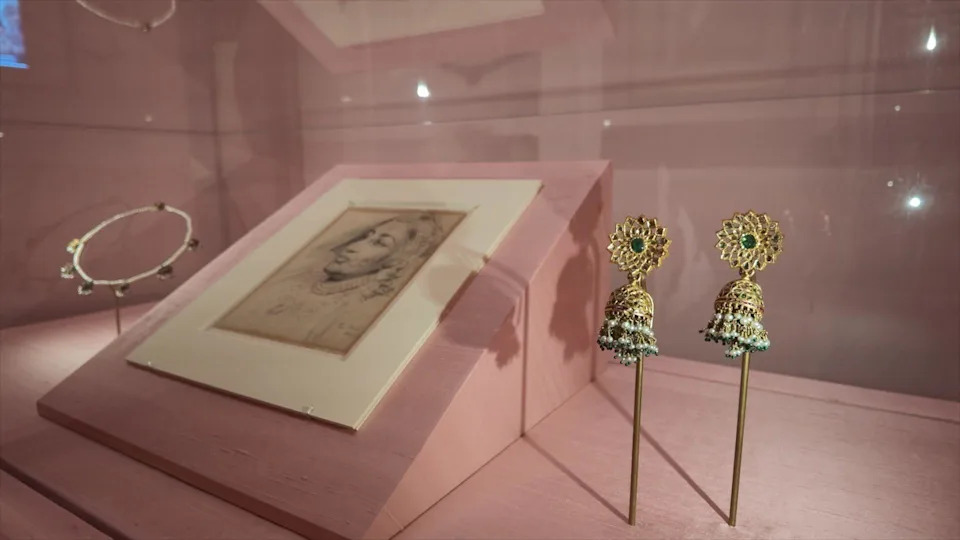
Jind Kaur's portrait has been reunited with earrings she wore on it since 1886 [BBC]
Suffrage And Direct Action
Sophia became a visible figure in the British suffrage movement. She sold copies of The Suffragette outside Hampton Court Palace (a photograph of this act is on display) and joined the Women's Social and Political Union. She attended protests across London, including the 1910 Black Friday demonstration, where she witnessed and condemned the violence directed at women — even writing to the Home Secretary, Winston Churchill, to protest.
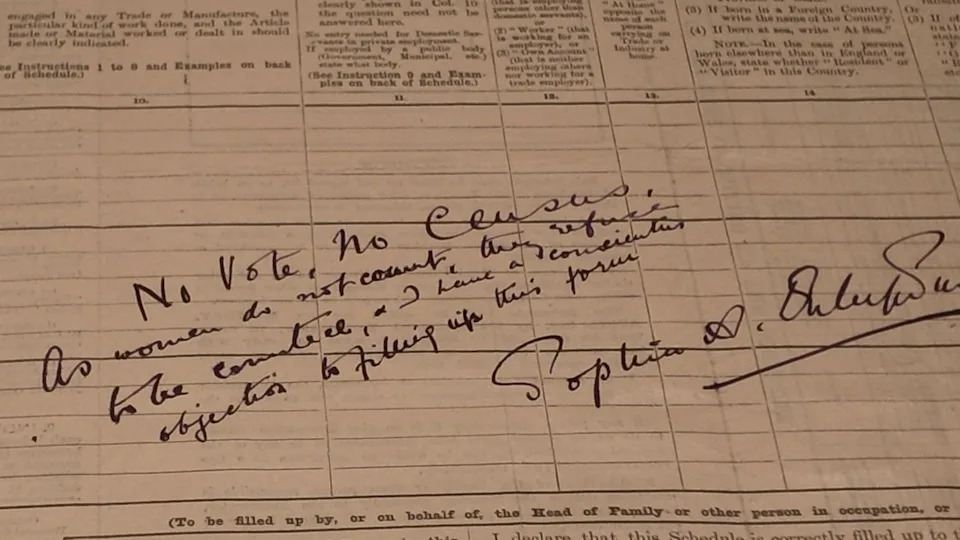
Sophia defaced her 1911 census form in protest of women being denied the vote [BBC]
Her activism also included civil disobedience: in 1911 she deliberately defaced her census form in protest at denying women the vote, declaring that if women did not count politically they would not be counted administratively. She joined the Women's Tax Resistance League, refusing to pay taxes while disenfranchised; this led to court action and the seizure and sale of some of her possessions.
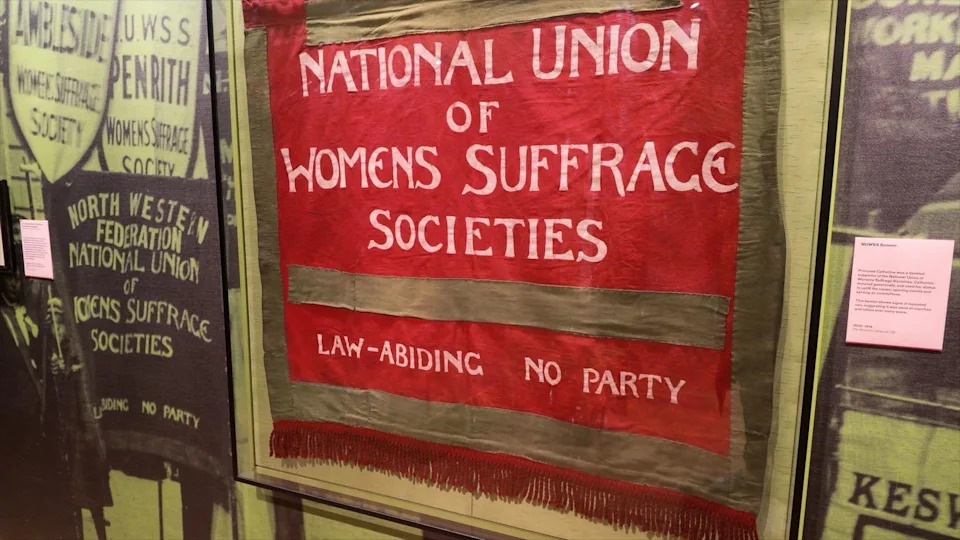
The Indian aristocrat was also a member of the Women's Social and Political Union [BBC]
Legacy And Exhibition
The exhibition reunites family artefacts — including a portrait of Jind Kaur reunited with the earrings shown in the painting — and displays Sophia’s defaced 1911 census form alongside objects documenting her membership of the suffrage movement. Although Sophia died in 1948 and has often been overlooked in mainstream histories, the show aims to recover her complex identity as a royal figure, an anti-imperialist sympathiser and a committed suffragette.
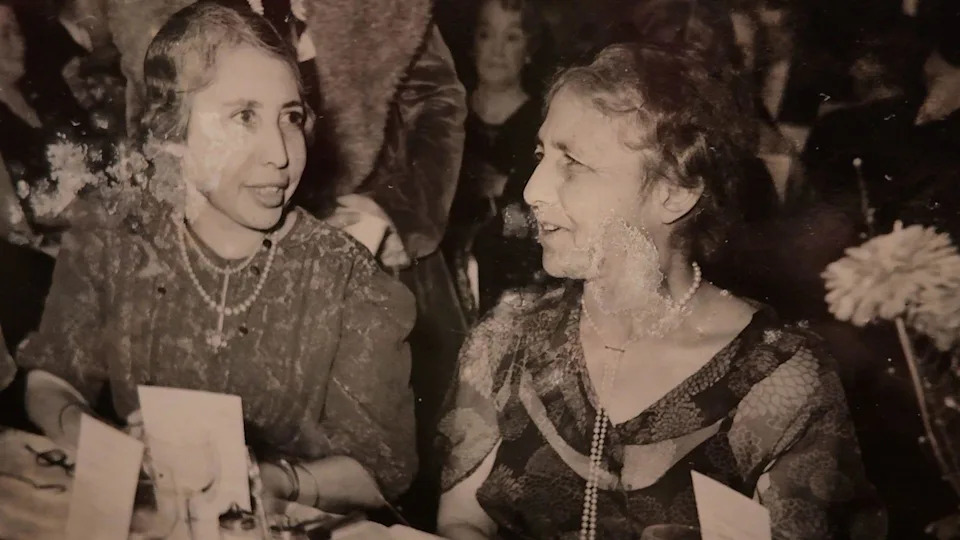
Sophia (left) and sister Catherine at a suffragette dinner in 1930 [BBC]
The Last Princess Of Punjab is on display at Kensington Palace until 8 November.
Help us improve.