German Foreign Minister Johann Wadephul welcomed President Trump's invitation to Vladimir Putin to the Miami G20 as a potential "litmus test" of Putin's willingness to negotiate an end to the war in Ukraine. Wadephul and Canadian Foreign Minister Anita Anand urged seizing diplomatic opportunities, though Anand said she was surprised by the invite. Russia remains a G20 member, Putin last attended in 2019, and he has not yet accepted the invitation.
German FM Welcomes Trump's Putin G20 Invite As 'Litmus Test' For Negotiations
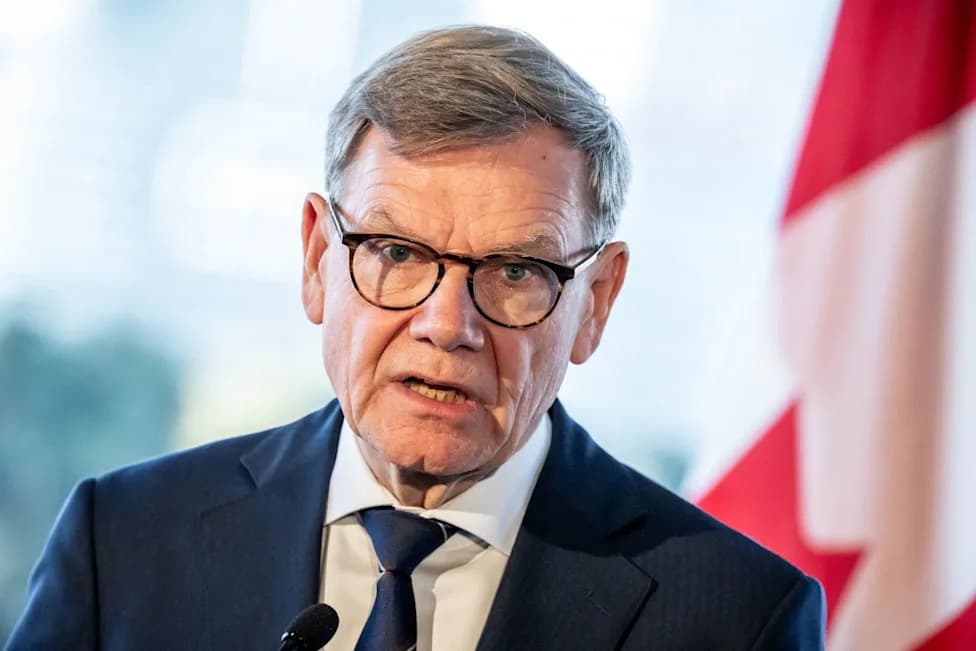
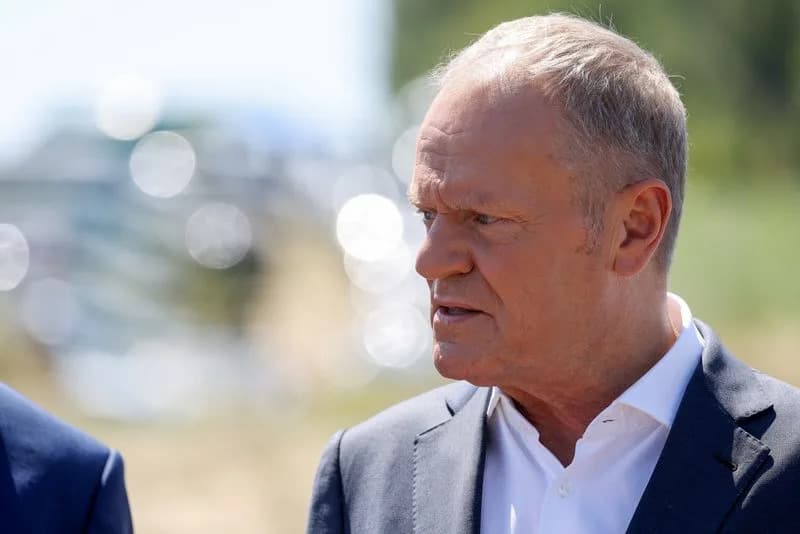
German Minister of Foreign Affairs Johann Wadephul speaks during a press conference with his Canadian counterpart Anita Anand. (is associated with: «German minister welcomes Putin G20 invite as potential path to peace») Michael Kappeler/dpa
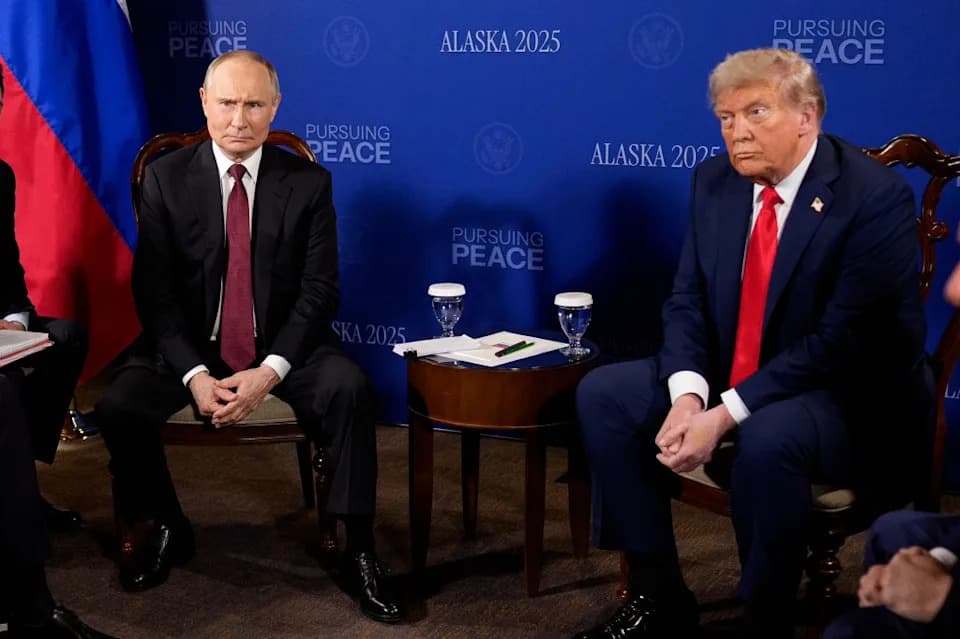
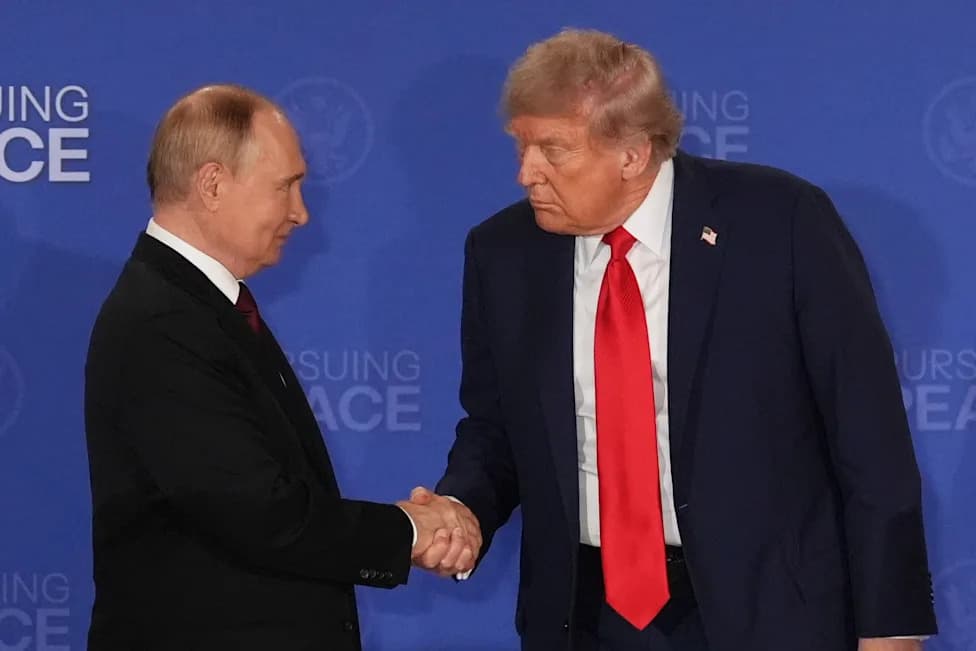
German Foreign Minister Johann Wadephul on Friday welcomed US President Donald Trump's decision to invite Russian President Vladimir Putin to the upcoming G20 summit in Miami, saying the move could create an opportunity for serious negotiations to end the war in Ukraine.
Speaking in Ottawa at a meeting with Canadian Foreign Minister Anita Anand, Wadephul called the invitation — which any G20 presidency may extend — a "litmus test" to determine whether Putin is prepared to negotiate in good faith.
"Opportunities such as these must be seized," Wadephul said. "We have repeatedly called on the Russian government and Vladimir Putin personally to finally come to the negotiating table. If that is a way forward, then it would at least mark the start of serious negotiations, provided they are genuinely interested in ending the war."
Reactions and Context
Canadian Foreign Minister Anita Anand said she was surprised by the decision to invite Putin but did not support a Canadian boycott of the summit, stressing that dialogue with Russia remains important. Russia is a member of the G20, which includes 19 countries plus the European Union and the African Union.
Putin last attended a G20 summit in person in 2019, prior to Russia's full-scale invasion of Ukraine in February 2022. As of Friday, Putin had not officially accepted the invitation announced earlier this week.
Why It Matters
The invitation highlights a diplomatic dilemma for Western governments: balancing pressure on Russia over its actions in Ukraine with the potential benefits of high-level engagement that could lead to negotiations. Whether a single summit meeting can produce concrete progress remains uncertain, but Western leaders say such moments should be used to test Russia's willingness to seek a negotiated end to the conflict.
Help us improve.