Farm Aid returns to Virginia Beach on Sept. 26 as family farmers face a convergence of threats: rising Chapter 12 bankruptcies, major USDA staffing cuts, record-high diesel and fertilizer costs tied to global disruptions, plus labor intimidation and land pressure from data centers. Now in its 41st year, Farm Aid brings musicians, advocacy and direct services — including the Distressed Borrowers Assistance Network and onsite support — to help family farms stay on the land.
Why Willie Nelson’s Farm Aid in Virginia Beach Matters Now: Four Reasons the Crisis Is Urgent
4 Reasons Why Willie Nelson’s Farm Aid Matters More Than Ever: ‘A Real Crisis Happening Right Now’
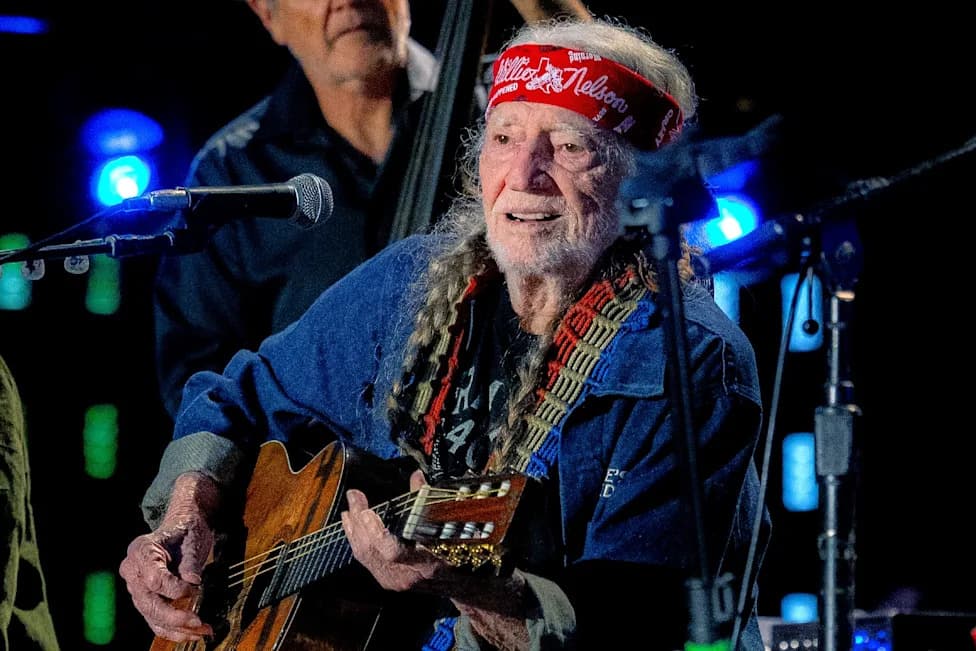
When Willie Nelson and fellow artists take the Farm Aid stage in Virginia Beach on Saturday, Sept. 26, they’ll be performing against the backdrop of a mounting crisis for the nation’s family farmers. A mix of rising bankruptcies, staff cuts at federal farm agencies, surging fuel and fertilizer costs, threats to immigrant labor and pressure on farmland from data-center development has created a situation organizers say echoes the farm crisis of the early 1980s.
Farm Aid — music’s longest-running benefit festival — is marking its 41st year of advocacy and direct support for family farms. The organization’s board now includes Dave Matthews, Margo Price and Nathaniel Rateliff alongside founders Willie Nelson, Neil Young and John Mellencamp. Since the first Farm Aid in 1985, the organization has raised about $90 million to promote a resilient family-farm system.
At the Veterans United Home Loans Amphitheater, headliners and Farm Aid leaders will include Neil Young (with the Chrome Hearts) and Dave Matthews (with Tim Reynolds), joined by Turnpike Troubadours, Lukas Nelson, Ty Myers, Mike Campbell & The Dirty Knobs, Jesse Welles, Sierra Ferrell, Mon Rovîa, I’m With Her, Amythyst Kiah, Lily Meola and Chris Pierce. The Wisdom Indian Dancers will open the show in recognition of the history of American farmland.
Livestream and broadcast: Farm Aid will stream at farmaid.org and via Nugs beginning with the press event at 11:30 a.m. ET. SiriusXM will carry the full show starting at noon on Willie’s Roadhouse (channel 61) and Dave Matthews Band Radio (channel 30) and via the SXM app. CNN will broadcast from the festival beginning at 7 p.m. ET. More than 40 food and farm organizations will be onsite in the HOMEGROWN Village, and activists and farmers will host policy discussions at the FarmYard Stage Tent.
1) Farm Bankruptcies Are Rising
Last year, 315 family farmers filed for Chapter 12 bankruptcy protection — a provision that lets farmers restructure debt and try to remain in operation. That number represents a 46% increase over the prior year, according to the American Farm Bureau Federation, and marks the second straight year of rising farm bankruptcies. Farm Aid leaders say this trend is accelerating through the first half of the current year.
2) USDA Staff Cuts Have Reduced On-the-Ground Support
Efforts to help distressed farms have been complicated by sharp staffing reductions at the U.S. Department of Agriculture. Federal data show the USDA lost about 27% of its workforce — roughly 24,000 employees — in the 14 months after the Distressed Borrowers Assistance Network was created. Farm Aid leaders report that many county Farm Service Agency offices are severely understaffed or closed, limiting farmers’ access to federal programs and technical assistance.
3) Input Costs Have Spiked — Geopolitics Contributes
Diesel and fertilizer costs have reached record levels for many producers. Farmers report paying more than $6 per gallon for diesel in some regions, and fertilizer prices are at historic highs. Organizers and farmers point to global geopolitical tensions that have disrupted oil markets and supply chains as a major factor increasing input costs. These rising expenses translate directly into thousands of extra dollars in monthly operating costs for many farms, while commodity prices farmers receive do not automatically rise to match those costs.
4) Labor Intimidation and Land Loss Threaten Production
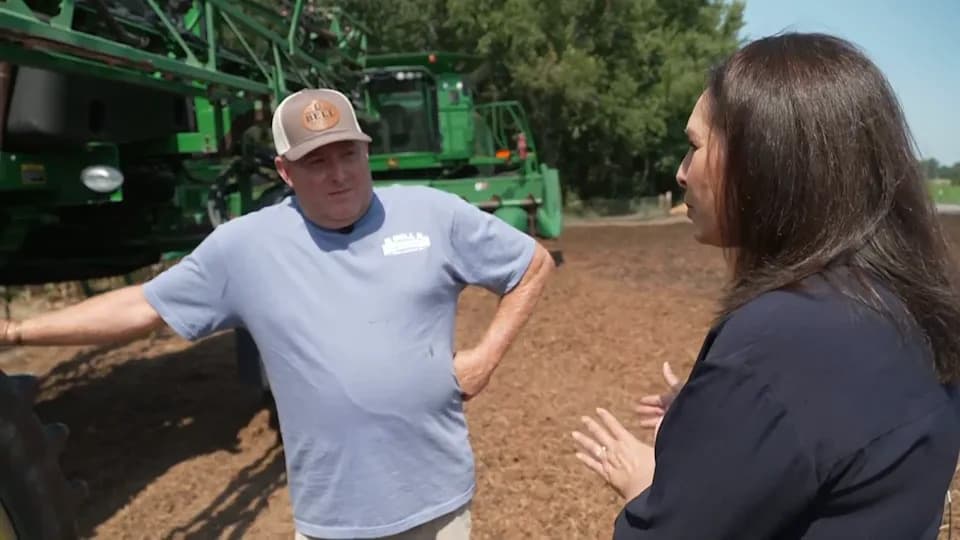
Labor availability is a longstanding concern for agriculture. Farmworker advocates estimate that roughly 70% of farmworkers are immigrants and that about 40% of those workers may be undocumented. Local analyses show intensified immigration enforcement has sharply increased arrests in some regions, creating a chilling effect: workers may avoid showing up if they fear enforcement activity, and crops can go unharvested.
At the same time, demand for land from data-center developers is putting pressure on affordable farmland — particularly in Virginia, which leads the nation in data-center capacity. Farmers fear loss of productive land, higher local electricity rates and impacts on water supplies and public health for rural communities.
Farm Aid’s organizers say the festival is more than a concert: it is a platform for direct services, policy advocacy and community organizing. On the ground at the HOMEGROWN Village and FarmYard tent, Farm Aid and partner groups provide legal, financial and technical assistance and training (including ongoing sessions for the Distressed Borrowers Assistance Network) aimed at keeping family farms viable.
"We're really trying to meet farmers where they are... to make sure that they're able to stay on the land and continue to farm for a very long time and have that long-term financial stability," says Farm Aid staffer Mary Oxendine. For organizers and participating artists, the goal is clear: marshal public attention, resources and practical help so family farmers can continue feeding the country and stewarding the land.
Help us improve.