Two nonprofit programs — The Stork Foundation and the Hope for Fertility Foundation — are accepting applications through September 30 for grants to help cover IVF costs (up to $15,000 and $10,000, respectively). The Stork Foundation prioritizes applicants with demonstrated financial need and requires medical documentation and a personal essay; Hope for Fertility requires married applicants, U.S. residency or citizenship, and a $50 application fee. IVF can cost tens of thousands of dollars, and for many families grants or clinic payment programs are the most realistic way to reduce costs.
Need IVF Help? Two Grants Offer Up to $15,000 — Apply by Sept. 30

A pregnant woman (femme enceinte) wearing a light dress, hands placed on either side of a rounded belly in Paris, France, on July 13, 2018. Soft drape, contrast between fabric and dark background and tight framing compose an intimate scene, illustration of motherhood and pregnancy (maternite, grossesse).
Two charitable programs are offering financial assistance to families pursuing in vitro fertilization (IVF), with awards up to $15,000. Applicants have until September 30 to submit materials for both The Stork Foundation and the Hope for Fertility Foundation.
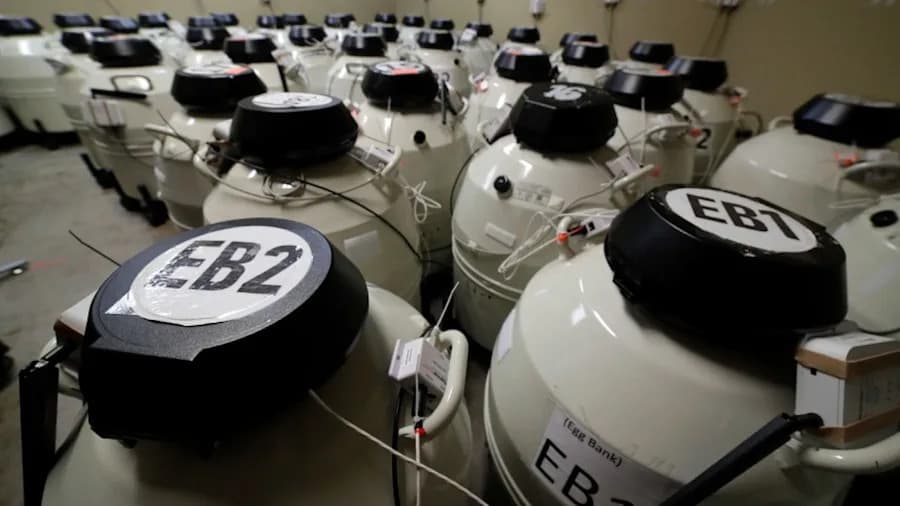
IVF without insurance can be prohibitively expensive: a single cycle commonly costs five figures, total care can reach $70,000, and some cases climb into the six-figure range depending on medical needs, additional procedures and the number of cycles required. Grants can help reduce out-of-pocket expenses for people who do not have fertility-specific insurance.
The Stork Foundation Grant
The Stork Foundation awards grants based on demonstrated financial need. The organization reports an average award of $10,000, with grants up to $15,000 possible. Applicants must submit a personal essay describing their fertility journey and medical documentation from a fertility specialist.
- Eligibility highlights: 18 years or older; household income of $150,000 or less; legal U.S. resident.
- Who may qualify: people with a documented infertility diagnosis, individuals recently diagnosed with cancer, or same-sex couples.
- Insurance requirement: applicants with little or no fertility insurance coverage are prioritized; applicants may be asked to submit to available insurance first and then use the grant for remaining costs.
- Timing rules: awarded applicants must begin treatment within six months and use all funds within one year.
The foundation says demand far exceeds available funding. Applications are reviewed equally (not on a first-come, first-served basis), and recipients are typically notified by mid-November.
Hope for Fertility Foundation
The Hope for Fertility Foundation offers annual grants up to $10,000. The application is submitted online and follows different eligibility rules than the Stork Foundation.
- Eligibility highlights: applicants must be legally married and provide a marriage certificate; both partners must be U.S. citizens or lawful permanent residents.
- Medical requirement: a physician-documented diagnosis of infertility and active engagement with a U.S.-based clinic or agency.
- Application fee: there is a $50 application fee, which the foundation says helps confirm serious applicants and contributes to the grant pool.
- Selection process: a committee of board members, advisors, volunteers and community reviewers evaluates submissions anonymously; grants are paid directly to the fertility clinic or adoption agency.
What To Know Before You Apply
Costs for IVF vary widely by clinic, geography and individual medical needs. Many people require multiple cycles or preliminary surgeries, which increase total expenses. If you plan to apply for a grant, gather medical documentation, financial records and any required proof of residency or marital status before the September 30 deadline.
Quick reminder: Both programs close applications on September 30. If you qualify, submit your materials soon—applications are reviewed equally, but missing the deadline means you won’t be considered.
If you need more affordable care, also ask your clinic about payment plans, sliding-scale options, and any clinic-specific grants or partnerships that can reduce costs.
Help us improve.