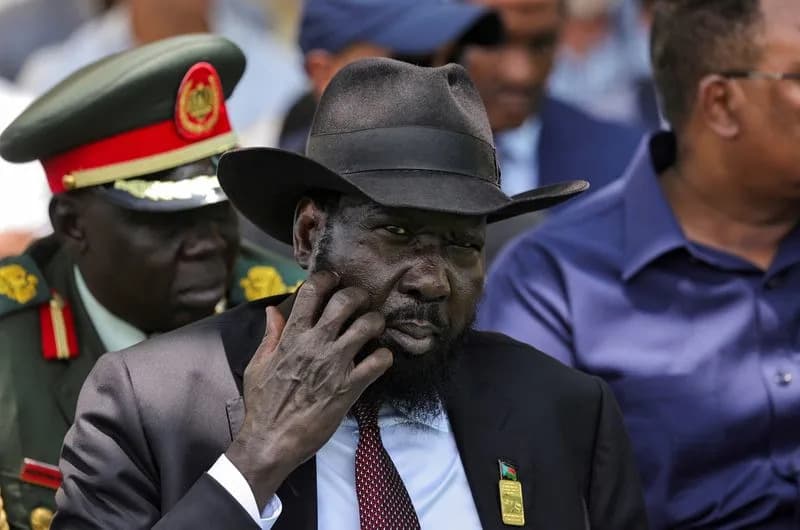
President Salva Kiir has dissolved South Sudan's transitional government, removed five vice-presidents and dissolved parliament three months before the country's first post-independence national election scheduled for 22 December. Riek Machar, the main opposition leader, remains under house arrest after being sacked and charged with treason. Heavy security in Juba disrupted access to ministries and prompted UN agencies to advise staff to work remotely. Observers and the RJMEC warned the country faces a "critical phase," citing unfinished peace-agreement commitments and significant funding shortfalls for the elections.
South Sudan Dissolves Transitional Government Three Months Before Historic December Vote
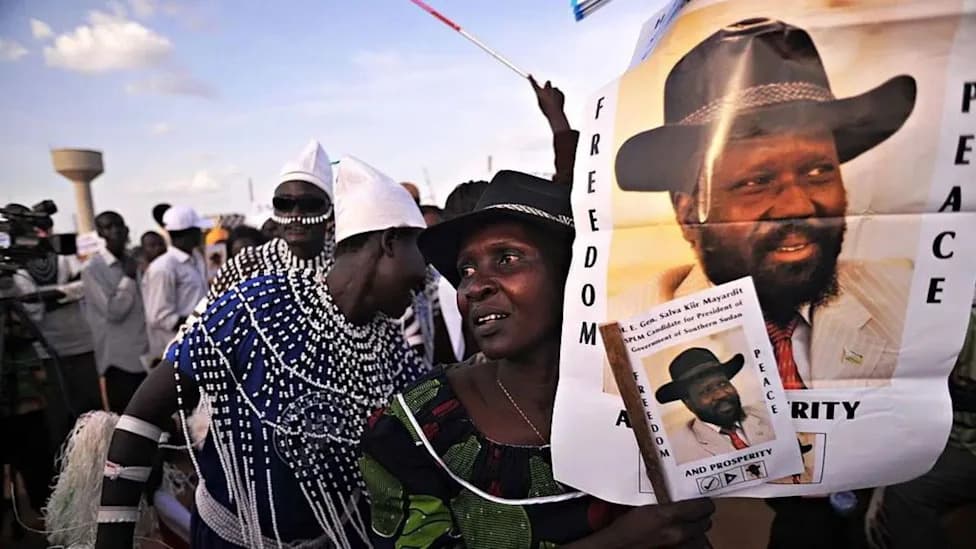
Salva Kiir is seeking re-election at the country's first national poll since independence [AFP via Getty Images]
South Sudan President Salva Kiir has dissolved the transitional government and removed the country's five vice-presidents, in a move announced three months before the nation's first national election since independence in 2011.
What Happened
Under an amended law signed on Monday, Kiir dissolved parliament and both national and state governments. He remains president with full constitutional powers until an elected successor is sworn in. The president has also reappointed several ministers and governors to serve in caretaker capacities until the 22 December election.
Context And Key Figures
Kiir is the presidential candidate for the Sudan People’s Liberation Movement (SPLM). To date, no prominent opponents have publicly declared they will challenge him in December. The main opposition leader, Riek Machar — who was appointed vice-president under the 2018 peace deal and later sacked — is under house arrest and faces treason charges.

[BBC]
Security And Administrative Disruption
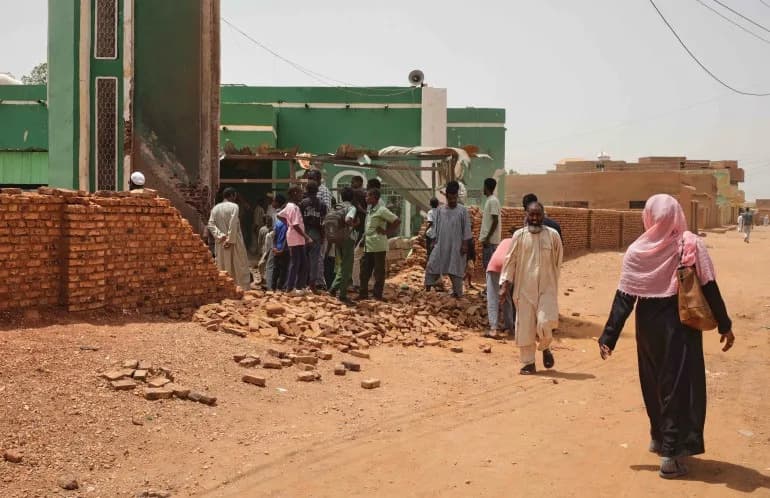
A heavy security presence was reported in the capital, Juba, ahead of the announcement. Army and national security personnel blocked access to government ministries, and soldiers patrolled parts of the city. A senior government official told the BBC that civil servants who arrived for work were turned away and told to return the following Monday. United Nations agencies in Juba advised staff to work remotely while authorities monitored the situation.
Electoral Commission And Funding Concerns
Last week Kiir dismissed the chairman of the national elections commission, Abednego Akok Kacuol, replacing him with the commission’s secretary-general, Gabriel Bol Deng. In August, Akok warned the commission needed about $250m (roughly £190m) to run the vote but had received only $21m to date, raising concerns about the commission's capacity to organize a credible election on the current timetable.
Responses From Opposition And Observers
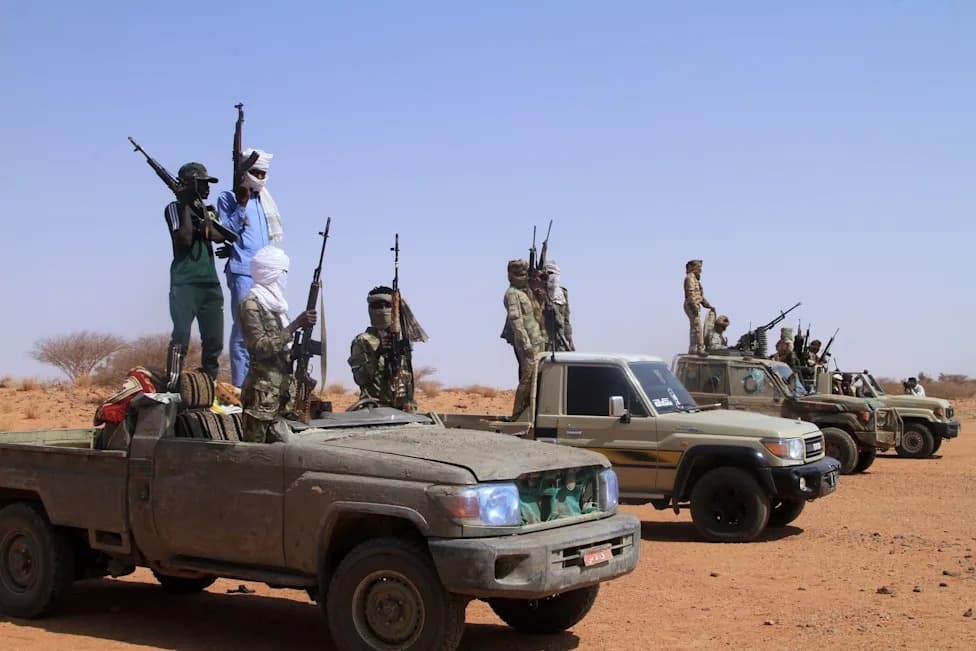
In June the Sudan People’s Liberation Movement in Opposition (SPLM-IO), led by Riek Machar, urged people not to participate in poll preparations. Nathaniel Pierino, the SPLM-IO acting chairperson, warned on social media that "Anyone coming to register voters and campaign in territories controlled by the mighty SPLM-IO, you will be a prisoner of war."
"South Sudan Has Entered A Critical Phase," said the Reconstituted Joint Monitoring and Evaluation Commission (RJMEC), the body that oversees implementation of the 2018 peace agreement. RJMEC warned that several key provisions of the peace deal remain incomplete and urged the parties to agree on a credible route to elections and a peaceful end to the extended transitional period.
The most recent 24-month extension of the transition was due to end on 22 February 2027. Observers have flagged the tight timeline, ongoing security tensions and funding shortfalls as significant obstacles to delivering a free, fair and inclusive vote in December.
Help us improve.