President Salva Kiir has signed amendments to the National Elections Act that remove requirements for a permanent constitution and a national census, clearing the way for Dec. 22 elections — South Sudan's first since 2011. The changes shrink legislative bodies, keep the incumbent executive in office through the election period, and have been criticised by the South Sudan Opposition Alliance for inadequate consultation. Observers warn the timeline is tight, voter registration has not started, and leaders must resolve disputes peacefully to avoid renewed conflict.
South Sudan President Signs Election Law Amendments, Clearing Path For Dec. 22 Vote
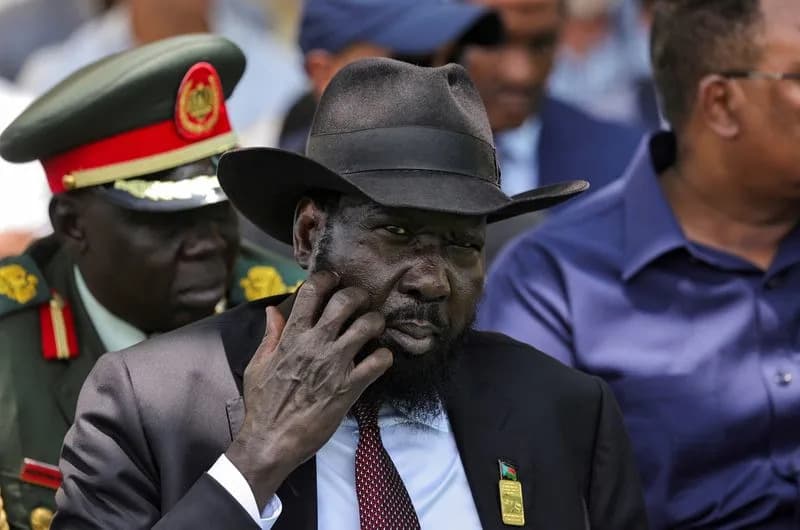
President of South Sudan, Salva Kiir Mayardit attends the inauguration of the Grand Ethiopian Renaissance Dam (GERD) built along the Blue Nile in Guba, Benishangul-Gumuz region, Ethiopia, September 9, 2025. REUTERS/ Tiksa Negeri
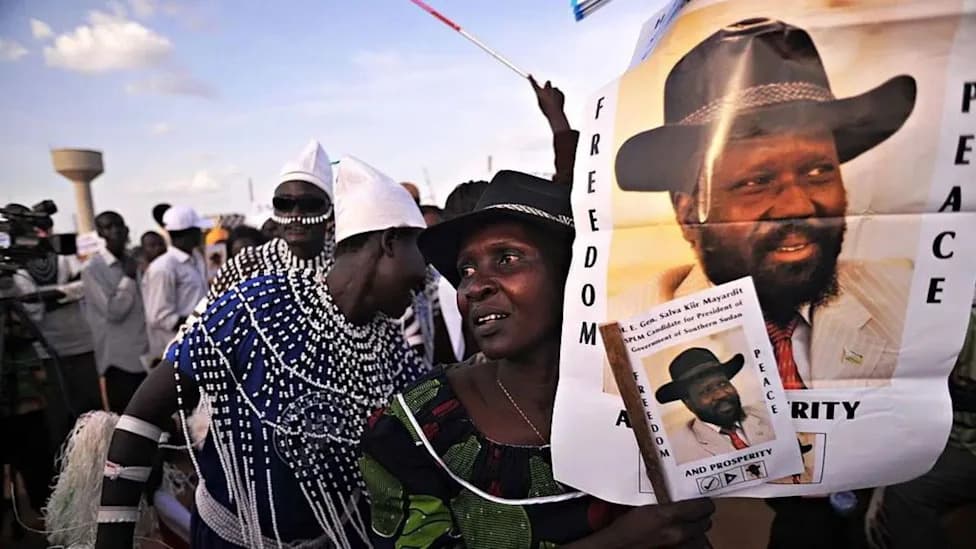
NAIROBI, Sept 22 (Reuters) — President Salva Kiir has signed amendments to South Sudan's National Elections Act that remove requirements tying national elections to the adoption of a permanent constitution and to a national census. The changes are intended to pave the way for general elections scheduled for December 22 — the country's first national vote since independence in 2011 — but they have provoked strong opposition from key political groups and raised concerns about readiness and inclusivity.
What the Amendments Do
Legal Alignment: Officials say the revisions align election law with the transitional constitution by removing clauses that previously made polls contingent on a permanent constitution and a national census.
Executive Continuity: Under the amended law, the incumbent executive retains full constitutional powers through the election period until a newly elected president takes office. The first vice president and other vice presidents are required to leave office within three months before election day.
Legislative Restructuring: The legislation reduces representation across the country: the National Legislative Assembly would shrink from 650 to 270 members, state assemblies would fall from 100 to 58 members, and legislative councils in administrative areas would be set at 20 members.
Political Context and Opposition
The South Sudan Opposition Alliance — a coalition that signed the 2018 peace agreement — rejected the changes, saying they were adopted without sufficient consultation among the parties to the accord. Parliament passed the bill earlier on Monday before sending it to the president for assent.
Riek Machar, leader of the main opposition party SPLM-IO and a longtime rival of President Kiir, has been under house arrest since March 2025 and is on trial on charges including treason and murder, which he denies. Separately, the president last week replaced the head of the elections commission without publicly explaining the decision.
Concerns About Timing and Preparedness
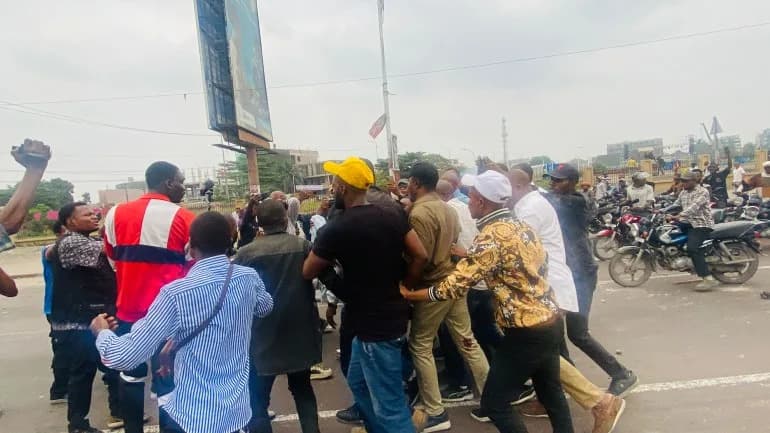
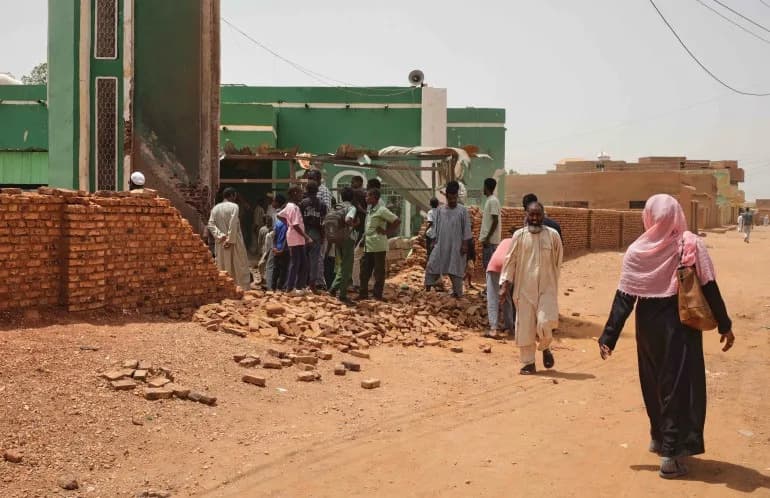
Election preparations face practical challenges: voter registration has not yet begun, and key benchmarks tied to the 2018 transitional arrangements — notably drafting a permanent constitution and conducting a census — remain incomplete. Observers and civil society groups warn that rushing to elections without broad consensus or adequate logistical preparations could undermine credibility and stability.
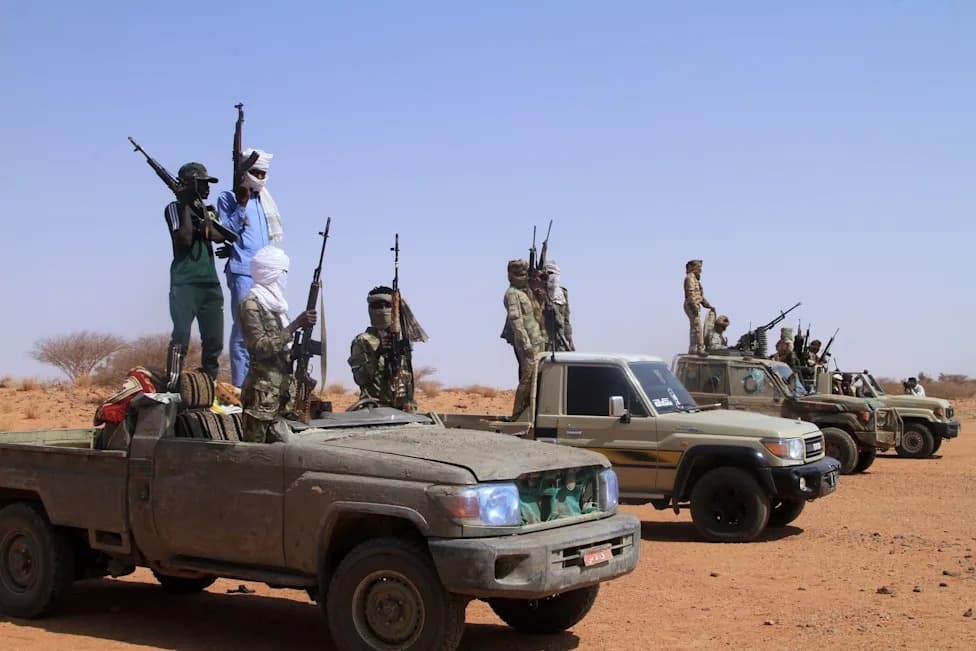
“Don't return us to war,” said Edmund Yakani, executive director of the Community Empowerment for Progress Organisation. “Sort out your political differences through non-violent means.”
What Comes Next
The government frames the amendments as a practical step to deliver long-delayed elections. Critics argue the changes deepen mistrust and risk sidelining parts of the peace process. International and local stakeholders will be watching whether authorities can begin voter registration, ensure a transparent electoral environment, and keep tensions from escalating ahead of the December ballot.
Help us improve.