Nats has been criticised after a second IT failure in two weeks amid concerns that its international commercial activities have distracted from UK operational resilience. Around 20% of sales are attributed to an overseas services arm, and parts of the CEO's bonus are tied to its growth. Critics point to four major blackouts in three years, while Nats defends its investment record and says the international business is separate and much smaller than its UK-regulated operations.
Nats Faces Backlash Over Overseas Deals as UK Air Traffic Suffers Repeated IT Outages
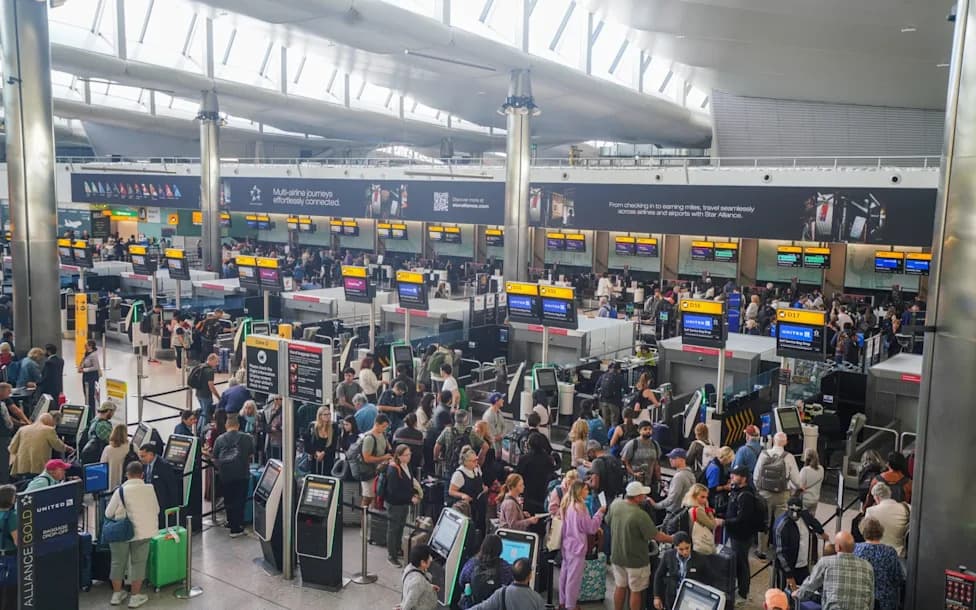
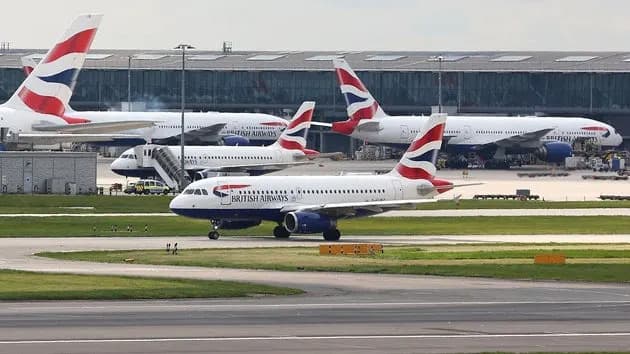
Nats has been hit by glitches over the last few weeks, leading to several flight delays - Amer Ghazzal/Getty
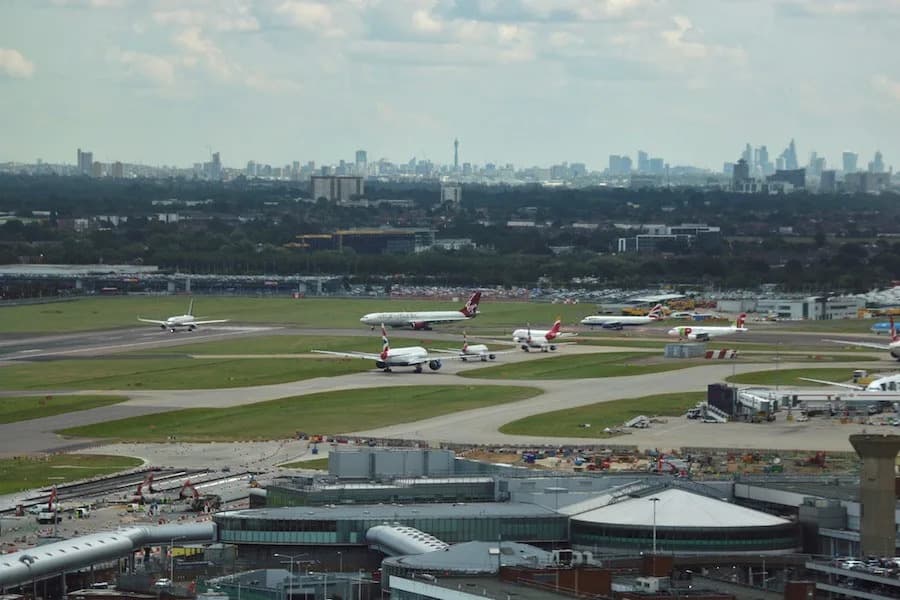
National Air Traffic Services (Nats) has come under intense scrutiny after a second IT outage in two weeks, prompting criticism that its push into international commercial work has distracted from maintaining resilient UK airspace operations.
Overseas Push and Commercial Activities
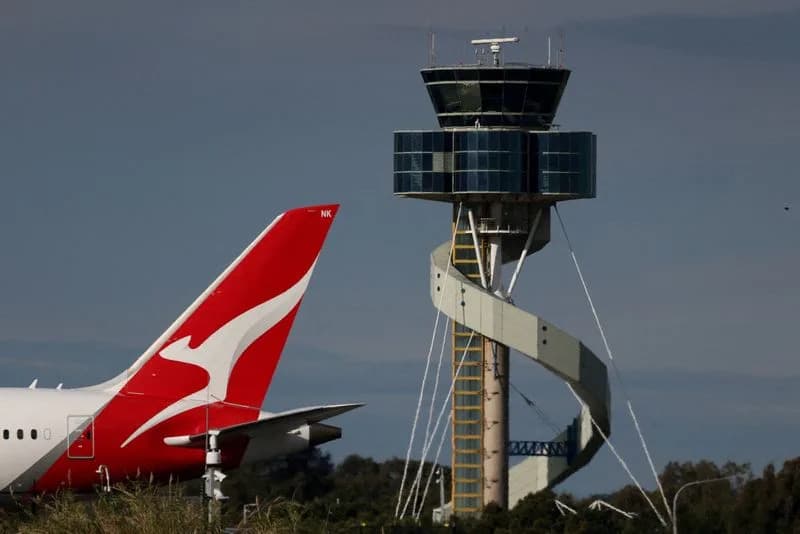
Company accounts show that roughly one-fifth of Nats' sales come from a services division focused on winning contracts abroad. That arm runs consultancy operations in India, Dubai, Hong Kong, Singapore, Canada and the United States, advising on air traffic management, training, technology and engineering. Following its acquisition of Canadian firm Searidge Technologies, Nats has deployed digital control towers at about 50 airports from Seattle to Sydney.
Leadership Incentives and Criticism
Critics note that CEO Martin Rolfe's bonus is partly tied to the performance of those international activities: about 20% of his award is linked to growing Nats Services. Rolfe received a bonus of £343,000 in June and total remuneration, including long-term awards, of £1.42m; his fixed pay was reported at £650,000 after a 5% pay rise.
“Nats is a regulated national asset, yet they're also busy running control towers and selling consultation abroad,” an anonymous former board member and aviation executive said. “Doing deals in the Middle East may be sexy, but the bottom line has to be the efficient operation of UK airspace and building a modern architecture to boost resilience.”
Operational Failures and Political Pressure
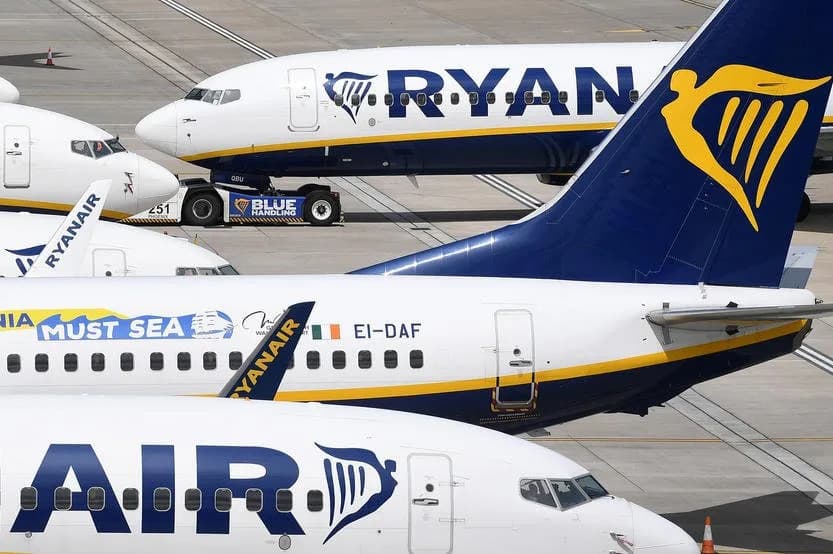
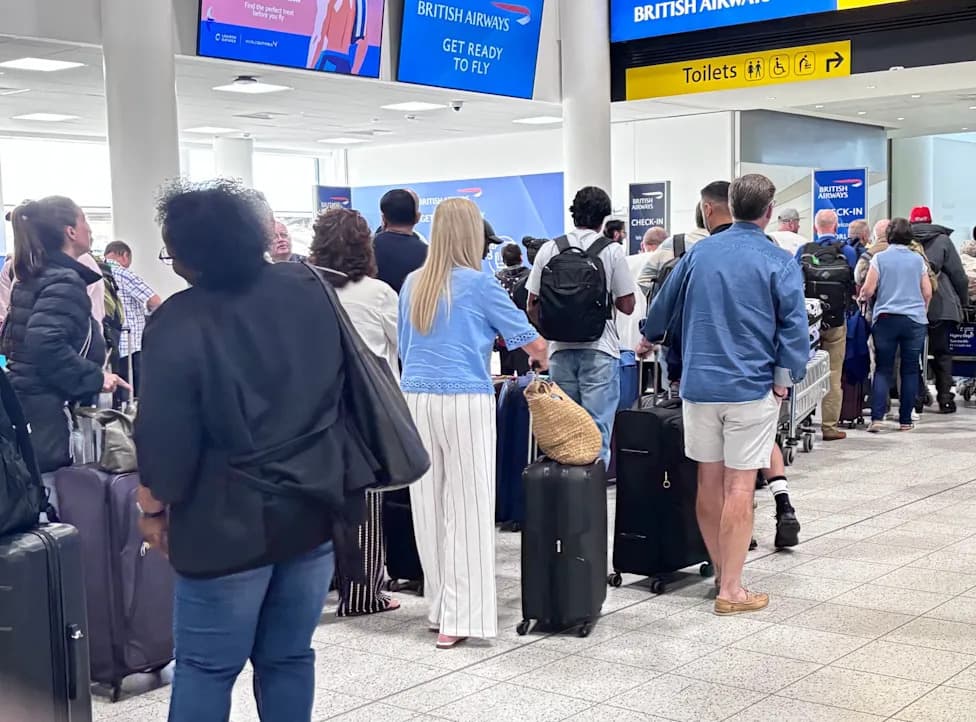
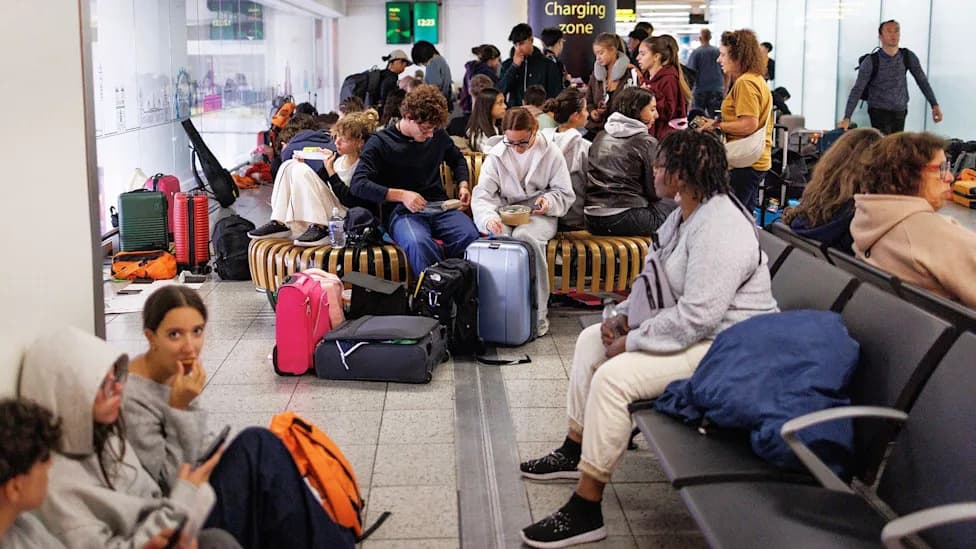
Opponents point to a troubling record of outages: Nats has experienced four major blackouts in three years. The September 8 incident grounded around 2,000 flights and left an estimated 330,000 passengers stranded. On the most recent outage, airlines including Ryanair called for Mr Rolfe to resign; politicians and ministers have asked for assurances that the UK's air traffic control system is reliable.
Financials, Investment and Defence
Nats is 49% government-owned, while 42% is held collectively by airlines and two pension funds. The group has paid out more than £300m in dividends over the past two years, a point critics say should have supported further reinvestment in resilience. Nats says it has invested £3.3bn in technology since privatisation and highlights £1bn invested in UK technology over the past ten years, with plans for another £1bn over the next decade.
The company also stresses that its international commercial business is much smaller and separate from the UK-regulated operations, with a fraction of the staff and levels of investment.
What Comes Next
With ongoing service disruptions and pressure from airlines and politicians, Nats faces a critical choice between defending its international revenue growth strategy and reassuring the public and regulators that UK airspace will be prioritised and made more resilient.
Help us improve.