Chris Hayes will host MS NOW Live in Arlington on Sept. 26 to engage thousands of Texas voters ahead of the midterms. He argues that policies which made Texas affordable and fast-growing are reshaping its electorate and straining the GOP coalition that engineered that model. Hayes highlighted James Talarico's Senate campaign as a key test for Democrats, criticized GOP attacks on Talarico as signs of desperation, and flagged data centers and AI infrastructure as rising local flashpoints.
Chris Hayes: Texas’ GOP Boom Is Creating Its Own Political Problem

ason Mendez/Getty Images for Caring Across Generations
Chris Hayes will appear in Arlington, Texas, on Saturday, Sept. 26, for MS NOW Live: Together in Texas, bringing his onstage conversations and audience engagement to a state he says contains both political opportunity and contradiction. Hayes — host of All In with Chris Hayes and author of The Sirens' Call: How Attention Became the World's Most Endangered Resource — told Salon that live events are more than promotion: they are a way to maintain direct relationships with readers and viewers in an increasingly screen-driven media environment.
Hayes' Take on Texas Politics
Held at the College Park Center at the University of Texas at Arlington, the day-long MS NOW event will gather roughly 15 of the network's anchors, including Rachel Maddow, Lawrence O'Donnell and Jen Psaki, for extended conversations with thousands of Texas viewers ahead of the November midterms.
Hayes praised Texas audiences as "sophisticated and informed," noting that migration and rapid growth have reshaped the state's demographics. He argued that the policies that helped make Texas affordable and fast-growing — lower housing costs, rapid development and an influx of newcomers — are also changing the electorate in ways that strain the GOP coalition that engineered that model.
"There are parts of the Texas model that have genuinely worked," Hayes said. "Housing is relatively affordable. The state has grown quickly, and that growth has brought more diversity and many immigrants who have built lives here."
Hayes added: "If people want to move to Texas, which a lot do, the state's composition is going to change," and he described the state Republican Party as having an "ambiguous, ambivalent relationship" to that reality.
Talarico, Campaign Tactics and the Midterms
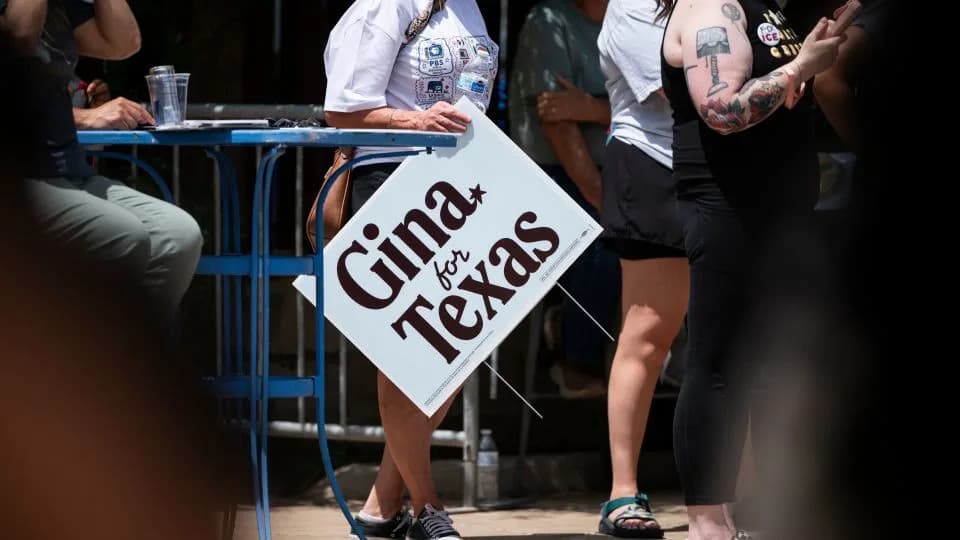
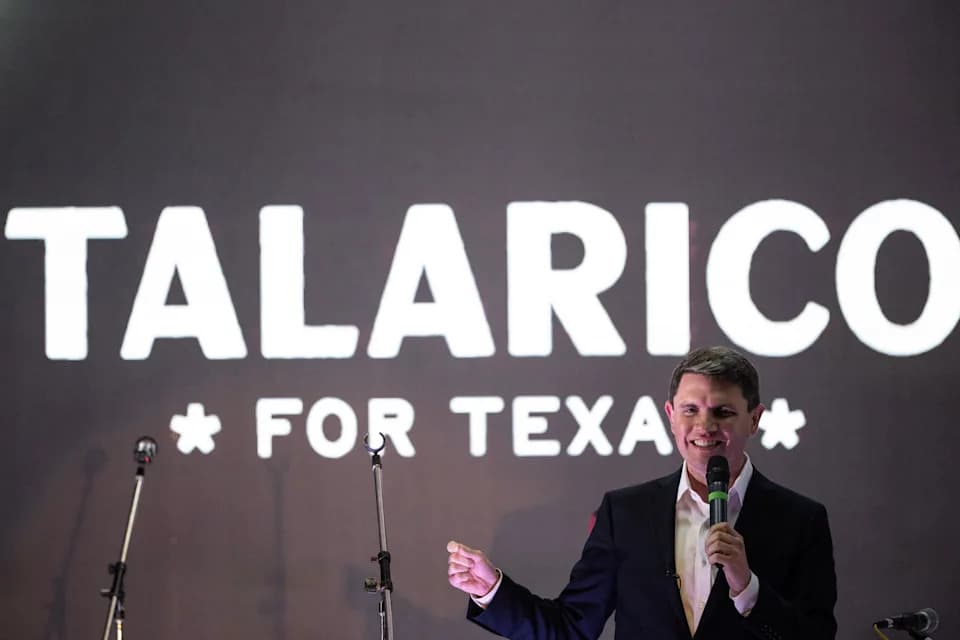
Hayes pointed to the campaign of state Rep. James Talarico as a test of whether Democrats can turn demographic shifts into a statewide victory. He called Talarico "a strong candidate" who has run an impressive race and noted that Democrats have not won a Texas statewide contest in decades — describing Texas as the party's "great white whale" in statewide politics.
Hayes criticized recent GOP tactics aimed at Talarico, saying they attacked his faith and masculinity and amounted to signs of political desperation. He warned, however, that such tactics can still be effective in a polarized environment where campaigns often aim to reinforce partisan loyalty instead of persuading undecided voters.
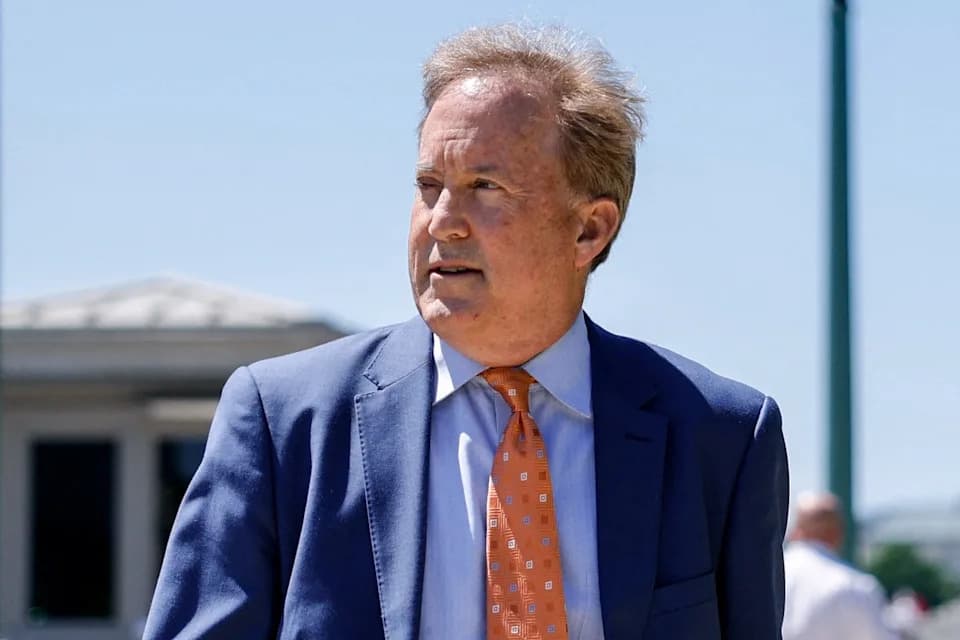
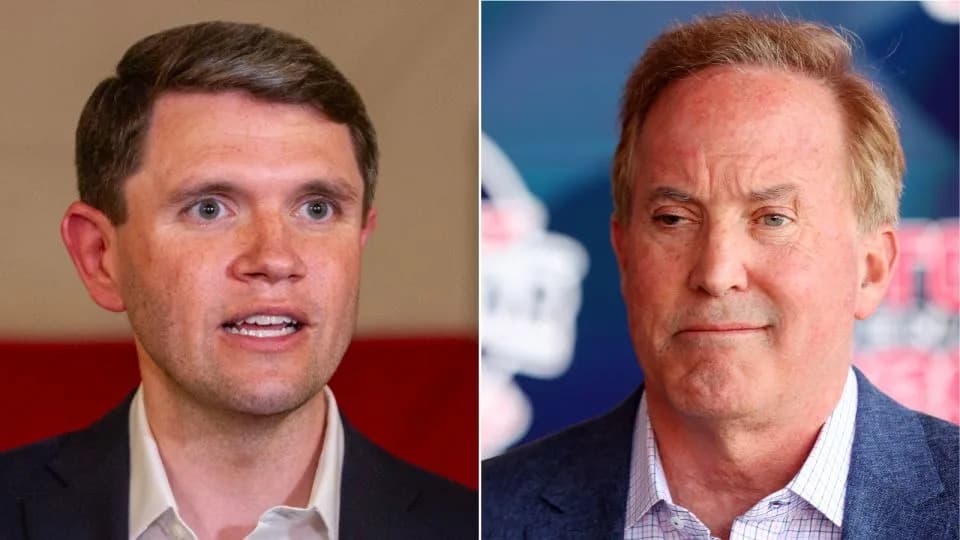
On the Republican bench, Hayes singled out Attorney General Ken Paxton as a weak statewide contender, saying Paxton lacks basic retail political skills and is underperforming on the campaign trail. Hayes also suggested that former President Donald Trump may be reassessing his endorsement calculus in response to unfolding dynamics.
Local Flashpoint: Data Centers and AI Infrastructure
Beyond the Senate race, Hayes expects strong local interest in artificial intelligence and the infrastructure that supports it — particularly data centers. As AI tools advance and data centers proliferate, communities are confronting new demands for land, water and power. Hayes described these disputes as a form of "territorial politics," where neighbors push back to protect parks, backyards and community land from rapid industrial development.
Texas — alongside Georgia and Virginia — has become central to the national conversation about data-center growth. In response to mounting concerns, Gov. Greg Abbott ordered state environmental regulators to pause approvals for new data-center permits pending an electrical audit, highlighting how politically charged the issue has become.
Why Live Events Matter
For Hayes, the Arlington event is also an experiment in building durable audience relationships in a media landscape dominated by platforms and algorithms. Drawing on themes from his book, he argued that live events help journalism create connections that go beyond clicks and fleeting social-media interactions. "I like people," he said. "I feel energized by them."
The MS NOW Live event offers Hayes and other hosts a chance to hear directly from Texans facing the tangible consequences of rapid development while testing whether journalism can sustain deeper, more resilient engagement with readers and viewers.
Originally published on Salon.com.
Help us improve.