The United States has resumed arms deliveries to Guatemala for the first time since 1977, sending equipment valued at roughly $5 million. The initial shipment reportedly includes M4 rifles, machine guns, grenade launchers and night-vision gear intended to bolster anti-drug operations and protect civilians. The move ends a decades-old embargo imposed amid atrocities committed during Guatemala’s 1960–1996 civil war, which left at least 200,000 people dead.
US Resumes Military Shipments To Guatemala After Nearly 50 Years
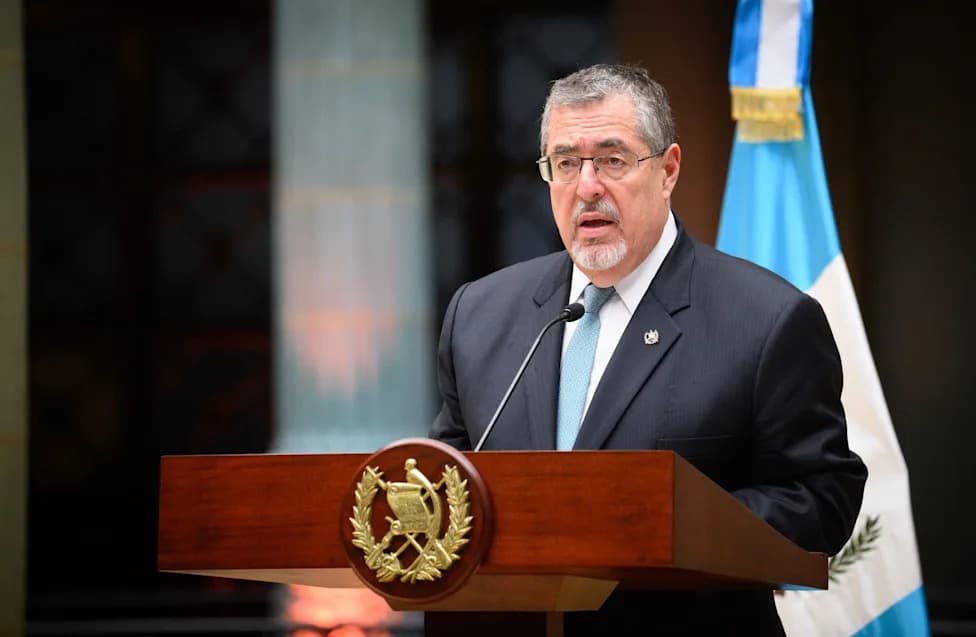
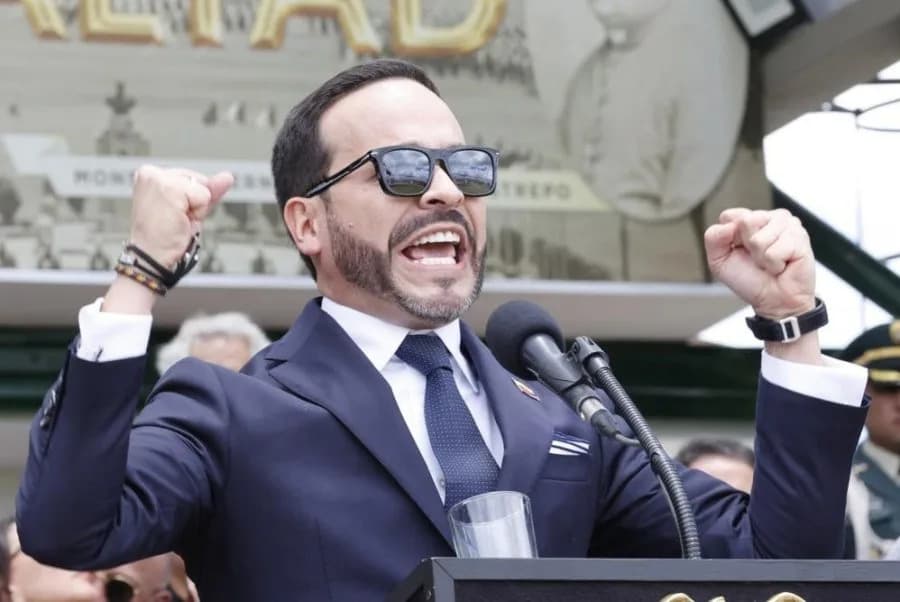
FILE PHOTO - Guatemala's President Cesar Bernardo Arevalo de Leon speaks during a joint press conference with German President Frank-Walter Steinmeier following their talks at the Nacional de la Cultura presidential palace. (is associated with: «US sends military equipment to Guatemala for first time since 1977») Bernd von Jutrczenka/dpa
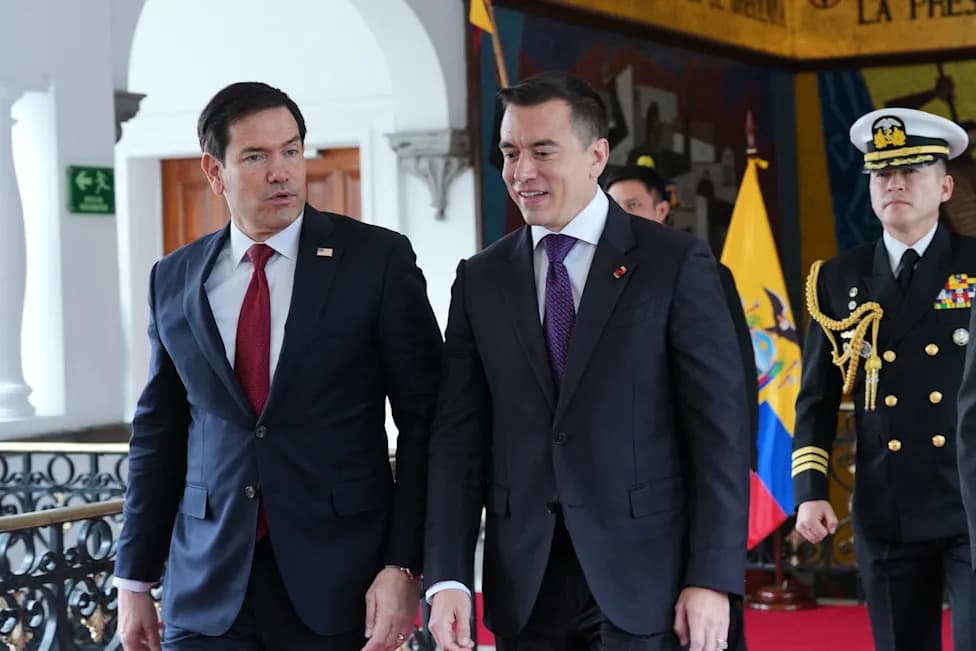
The United States on Monday delivered military equipment to Guatemala for the first time since 1977, ending an arms embargo that was imposed amid widespread human rights abuses during the country’s civil war.
President Bernardo Arévalo said the shipment is valued at about $5 million. According to Guatemalan officials, the consignment is intended to strengthen operations against drug cartels and to help protect civilians.
Local media reports say the initial delivery includes M4 rifles, machine guns, grenade launchers and night-vision equipment for special operations. The Guatemalan government described the materiel as targeted support for law enforcement and counter-narcotics efforts.
Historical Context
US arms shipments to Guatemala were suspended in 1977 during the country’s internal conflict, which pitted state security forces against leftist guerrillas and right-wing paramilitaries. The civil war, fought from 1960 to 1996, left at least 200,000 people dead, most of them indigenous civilians. Military forces were implicated in numerous massacres and incidents of sexual violence during the conflict.
The decision to lift the embargo marks a significant shift in US-Guatemala security cooperation. Observers and human rights advocates are likely to scrutinize how the equipment is used, given Guatemala’s troubled history; Guatemalan and US officials say the supplies are intended solely for anti-narcotics operations and civilian protection.
What to watch: Implementation details, operational oversight and transparency around the use of the equipment will be key to assessing the impact of this renewed security assistance.
Help us improve.