The removal of a Muhammad Ali Jinnah photograph from a Dhaka University museum exhibit has triggered a fierce debate over historical memory in Bangladesh. A student tore down the image, calling Jinnah a "villain," while the university student union defended the photo as part of a chronological display. The dispute highlights how the 2024 revolution that ousted Sheikh Hasina has unsettled established narratives and intensified disagreements over national identity and the legacy of independence.
Jinnah Photo Torn Down at Dhaka University Sparks Bitter Debate Over Bangladesh’s Past
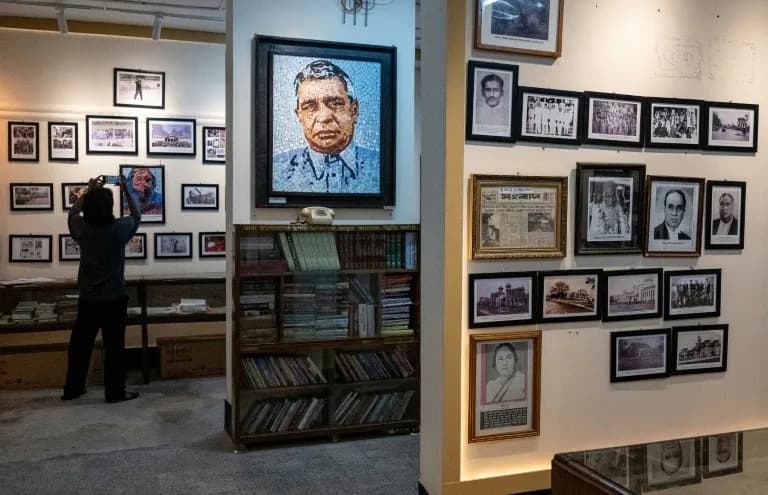
A row over at photo at Bangladesh's top university shows how the legacies of nationality, religion and language are politically potent (Salahuddin AHMED)
A photograph of Muhammad Ali Jinnah, the founder of Pakistan, was removed from a newly reopened museum exhibit at Dhaka University this month after a student tore it down — reigniting a heated dispute over how Bangladesh remembers its complex history.
What Happened
The image was part of a chronological display in the university museum. Abu Tayyab Habildar, a Dhaka University student, ripped down the photograph and called Jinnah a "villain." The wall where the picture hung remains bare.
Positions and Reactions
The Dhaka University Central Students' Union (DUCSU), now led by Bangladesh Chhatra Shibir (the student wing of the country’s largest Islamist party), defended the inclusion as part of a historical timeline. DUCSU leader SM Farhad denounced the removal as a "mob attack" and said the museum needed updating to correct what his group sees as a one-sided portrayal of the university’s past.
"You can correct us if we make any mistake, though we haven't made any," said SM Farhad, defending the display.
Critics, including students and commentators, argue the move to highlight Jinnah risks reshaping the narrative to the detriment of Sheikh Mujibur Rahman — Bangladesh’s founding president and central figure in the independence movement. Some students cautioned against erasing images of controversial figures, saying they remain part of history.
Historical Context
Pakistan and Bangladesh were formed as the western and eastern wings of a single state after Britain's 1947 partition of India, separated by more than 1,500 kilometres (930 miles) of Indian territory. Bangladesh won independence from Pakistan after a brutal 1971 war, during which Pakistani forces were accused of widespread atrocities; estimates of the dead vary, and many in Dhaka continue to demand an apology from Islamabad.
Although Jinnah himself was not an Islamist, his campaign for a separate Muslim homeland has made him a potent symbol for some Islamist politicians in Bangladesh who emphasize the country’s Muslim identity. That symbolism has taken on renewed sensitivity following the violent, student-led 2024 uprising that ousted long-time leader Sheikh Hasina, changed political power dynamics and prompted fierce debates over public memory.
Why It Matters
The dispute over a single photograph highlights larger tensions in Bangladesh about national identity, language and the politics of memory. The episode shows how museum displays and campus spaces can become flashpoints when political narratives shift rapidly.
Key Details: Jinnah’s photograph was part of a chronological exhibit at Dhaka University’s museum; the display was defended by DUCSU leadership and criticized by students who see the move as an attempt to recast the past. The incident reflects broader debates after the 2024 revolution that removed Sheikh Hasina from power.
Help us improve.