Wandercraft launched Eve on September 17, 2026, the first FDA‑cleared, self‑balancing knee exoskeleton available for home use by eligible wheelchair users with spinal cord injuries. The FDA granted 510(k) clearance (K260381) in August 2026 after a three‑site trial assessing safety, upright mobility, and usability. Eve employs "physical AI" to maintain balance without crutches, is cleared for adults 18+ at any neurological injury level, and is available through 180+ National Seating & Mobility locations in the U.S.
Wandercraft’s Eve: First FDA‑Cleared Self‑Balancing Home Exoskeleton Empowers Wheelchair Users
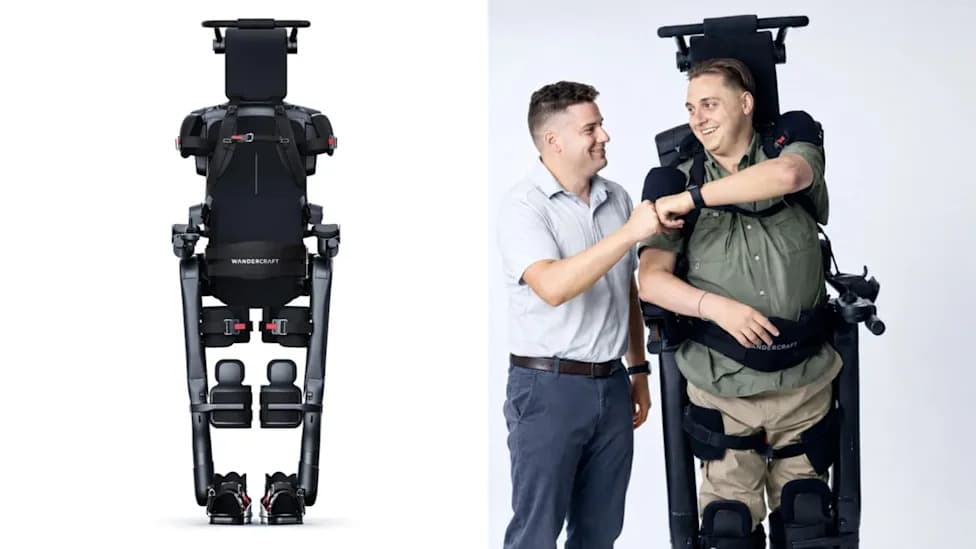
Image: Wandercraft
Paris‑based robotics company Wandercraft commercially launched its Eve device on September 17, 2026, marking the first time an FDA‑cleared, self‑balancing personal robotic knee exoskeleton has been made available for home use by eligible wheelchair users with spinal cord injuries.
FDA Clearance and Clinical Support
The U.S. Food and Drug Administration granted 510(k) clearance (K260381) in August 2026, classifying Eve as a Class II medical device. That decision was backed by a three‑site clinical trial that evaluated the device's safety, upright mobility, and usability.
How Eve Works
Unlike earlier exoskeletons that require crutches or a walker for balance, Eve uses what Wandercraft calls "physical AI" — a combination of motorized knee joints and stabilization algorithms that actively maintain upright stability. This automatic balancing lets users keep both hands free while standing and moving, enabling practical daily activities at home.
Who Can Use Eve And Where
Eve is cleared for adults 18 and older with spinal cord injury at any neurological level, making it the first device in its category without restrictions tied to injury level. Intended use is limited to level indoor surfaces and immediately adjacent outdoor areas (for example, patios). Operation requires supervision by a specially trained companion.
Everyday Applications
Wandercraft highlights common home uses: standing at a kitchen counter, moving between rooms, reaching a bathroom sink, and having eye‑level conversations. Users control Eve with a handheld controller that triggers commands such as step, stop, and turn.
“With Eve, being upright isn’t just about standing. It’s about having the freedom to use my hands, move through my home, and connect with people in a new way,” said Caroline Laubach, a Wandercraft test pilot (quoted in Interesting Engineering).
Availability, Reimbursement, And Support
Eve is available through more than 180 National Seating & Mobility locations across the United States. Medicare billing may be possible under HCPCS code K1007 for users who meet medical necessity and eligibility requirements; individual coverage varies by plan. Wandercraft operates a dedicated access team to assist with clinical evaluation, device fitting, reimbursement navigation, and ongoing service. Pricing has not been publicly disclosed.
Positioning And Future Plans
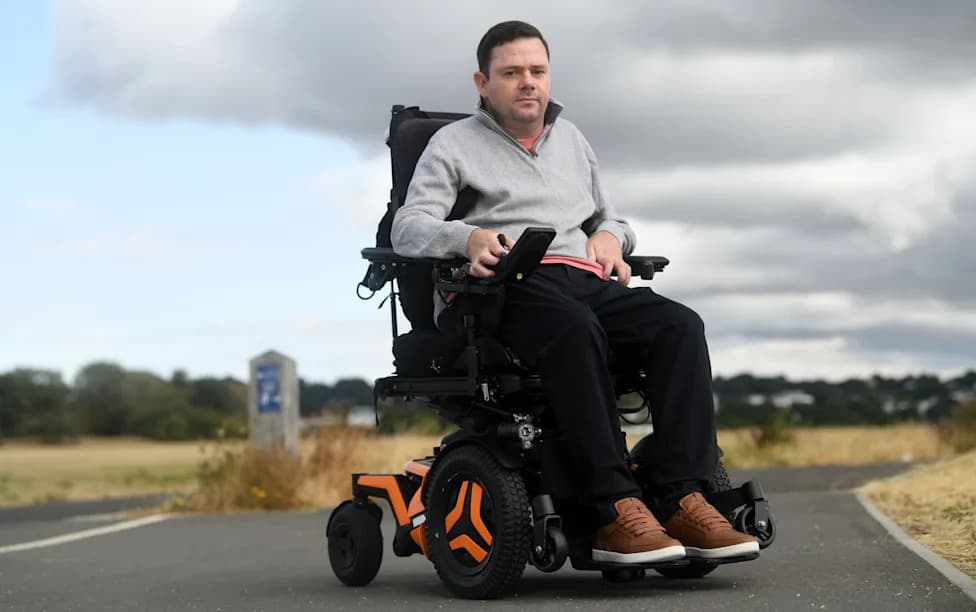
Wandercraft positions Eve as a complement to wheelchairs rather than a replacement, offering eligible users an additional option for upright mobility at home. The company plans to expand availability to regions outside the United States following the U.S. launch.
Help us improve.