The PNAS study found that female mice exposed to 42 days aboard the ISS remained fertile, but their children and grandchildren showed reduced reproductive performance, lower anti-Müllerian hormone (AMH) levels and about 15% less muscle strength in the second generation. Researchers suggest microgravity-related cellular stress and possible mitochondrial dysfunction as a mechanism, while cautioning that mice are not perfect proxies for humans. Experts warn that deep-space radiation could worsen reproductive impacts and call for more multigenerational research.
Mouse Study Suggests Spaceflight Can Impair Reproduction in Descendants — What That Might Mean for Humans
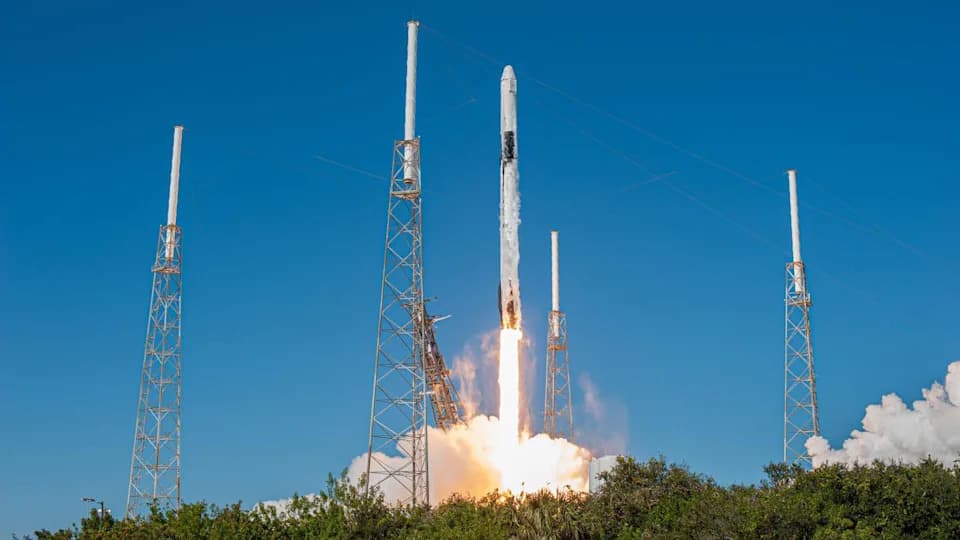
The mice were tested after spending 42 days on the International Space Station, traveling there on NASA's SpaceX CRS-29 mission seen above. | Credit: NASA/Tony Gray; Tim Terry; and Kevin O'Connell
New laboratory research suggests that female mice exposed to microgravity aboard the International Space Station (ISS) produced descendants with measurable declines in reproductive capacity and related traits. Published June 30 in the Proceedings of the National Academy of Sciences (PNAS), the study followed mice that spent 42 days in orbit and tracked fertility, physiology and behavior across multiple generations.
Study Design and Methods
Twenty female mice were launched to the ISS on NASA's SpaceX CRS-29 mission and housed there for 42 days. After returning to Earth, the space-exposed females were bred and researchers evaluated their offspring and subsequent generations for fertility, hormone levels, physical strength and behavior. Control groups of ground-based mice were bred and assessed in parallel.
Key Findings
Researchers reported that the space-exposed mothers remained fertile and produced live litters at rates similar to controls; the immediate difference in litter size was small and not statistically significant. However, clearer effects emerged in later generations:
- Second-generation descendants of space-exposed mothers produced fewer litters overall and much smaller litters than control-line mice.
- These second-generation offspring exhibited about 15% lower muscle strength compared with controls.
- Female descendants showed greater stress sensitivity in behavioral tests.
- Levels of anti-Müllerian hormone (AMH), a common blood marker correlated with ovarian egg reserve, were reduced in the daughters of space-returned mothers and remained lower into the third generation.
"The offspring of those that came back from space were altered in their behavior, their muscle, their ability to reproduce further," said Lane Christenson, co-author and professor of cell biology and physiology at the University of Kansas Medical Center. "Just about every marker we looked at had some differences."
Possible Mechanisms and Caveats
The authors propose that microgravity-induced cellular stress could accelerate aging-like processes, perhaps via mitochondrial dysfunction. Mitochondria carry maternally inherited DNA, and prior studies have linked microgravity and reduced mechanical forces to cellular vulnerabilities and mitochondrial changes. However, this mechanism remains hypothetical and requires direct confirmation.
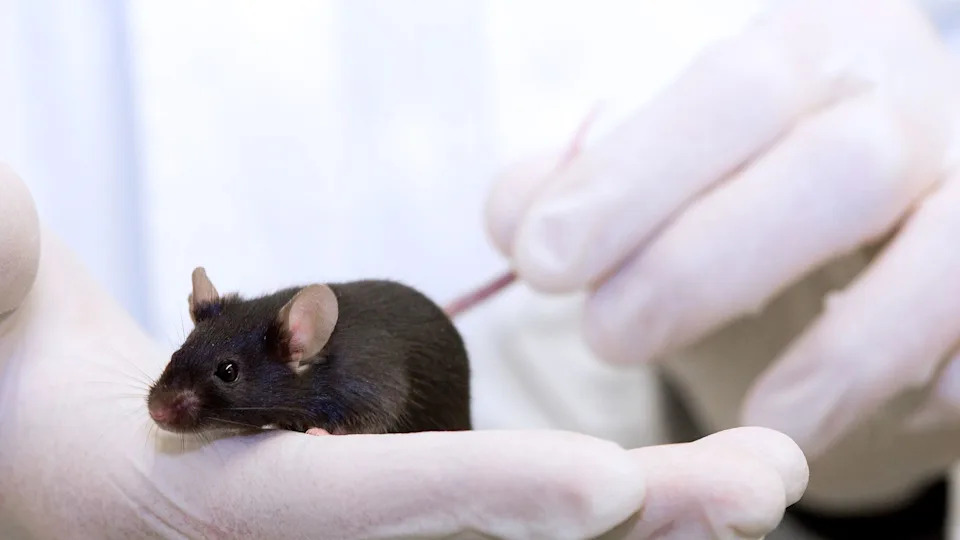
The current study focused on lab mice, so it remains to be seen how the effects might translate to people. | Credit: dra_schwartz via Getty Images
Important caveats: the work was done in mice—widely used as mammalian models but not perfect proxies for humans—and the ISS environment exposes animals to different radiation levels than deep-space voyages would. Experts note that exposure to higher deep-space radiation, such as on a Mars mission, could produce larger reproductive impacts than those seen in low Earth orbit.
Context and Next Steps
Previous studies have shown mixed results: a 2019 experiment found that male mice flown in space could father healthy offspring, and NASA's Twins Study documented modest short-term changes in a human astronaut after a year in orbit. The new multigenerational mouse study fills a gap by focusing on female reproductive outcomes across generations and underscores the need for further research into ovarian reserve, hormonal changes, and combined effects of microgravity plus deep-space radiation.
Bottom line: A relatively short stay in microgravity did not prevent the space-exposed female mice from reproducing, but measurable declines in reproductive markers and physical and behavioral traits appeared in their descendants. More work is needed to determine whether similar multigenerational effects could occur in humans and how to mitigate any risks for long-duration or deep-space missions.
This article is for informational purposes only and is not medical advice.
Help us improve.