Michigan boosted state funding for English learners by $12.5 million, raising the 2026–27 ELL budget to about $75.3 million. However, the state's weighted formula ties dollars to WIDA ACCESS bands and provides little or no funding for students who are approaching proficiency, leaving roughly 24,000 ELLs without state-funded supports despite legal requirements for services. Researchers and advocates say much larger per-student investments are needed to help ELLs reach grade-level achievement, and the new law requires districts to report how ELL funds are used.
Michigan Adds $12.5M for English Learners — But Thousands Still Miss Out on Needed Support
Michigan lawmakers boosted state funding for English learners by $12.5 million, bringing the 2026–27 ELL budget to about $75.3 million. But advocates, district leaders, and teachers warn that the state's funding formula leaves many students — especially those approaching English proficiency — without the dedicated resources they legally require.
How Funding Is Allocated
Under Michigan's new weighted funding law, additional dollars for English language learners (ELLs) are tied to WIDA ACCESS proficiency scores, which range from 1.0 to 6.0. The state provides:
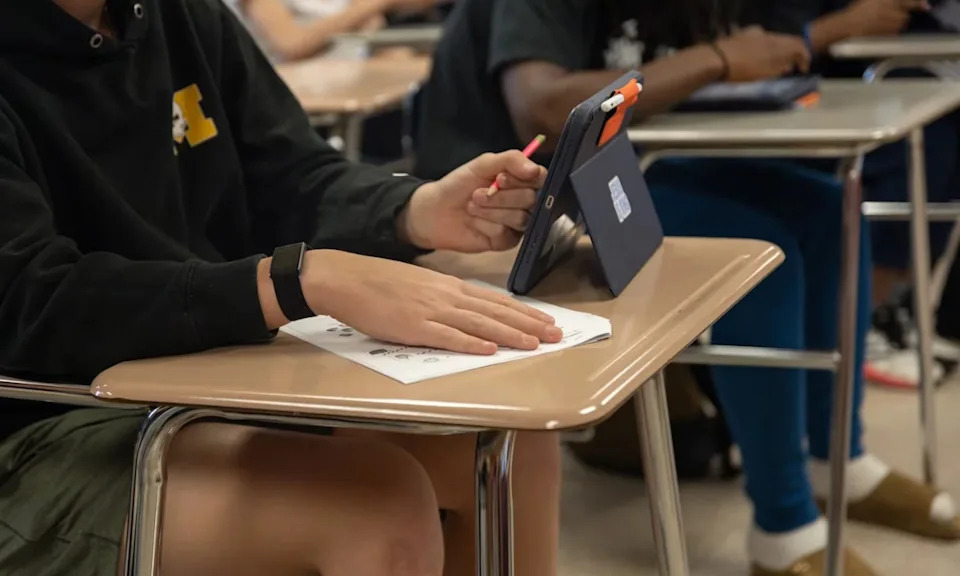
Language teacher provides integrated English language development instruction to a small group. (Caria Taylor for Chalkbeat)
- $1,998 per student for WIDA scores 1.0–1.9
- $1,379 per student for WIDA scores 2.0–2.9
- $225 per student for WIDA scores 3.0–3.9
- $0 per student for WIDA scores 4.0 and above
State and federal law require districts to provide English language development (ELD) services to students who score between 1.0 and 4.7 on WIDA. Yet Michigan is one of the few states that does not provide state funding for all students in that required-service range.
Who Falls Through the Cracks
More than 104,200 English learners were enrolled in Michigan public schools in 2024–25 (about 7.3% of students). Roughly 24,000 of those students generated no extra state funding despite being legally entitled to at least 150 minutes of ELD instruction per week. Students in the mid-range (WIDA 3.0–3.9) receive only $225 per pupil — an amount many educators call inadequate.
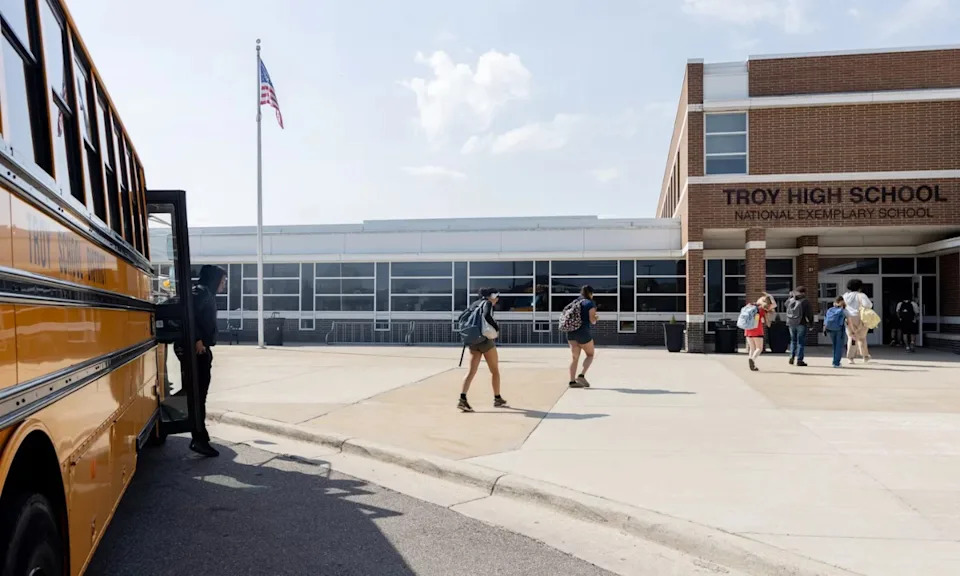
Students arrive at Troy High School. (Caria Taylor for Chalkbeat)
'I don't know what you can do with $225 per kid over the course of literally a whole year in terms of providing service,' said Madeline Mavrogordato, director of the Education Policy Innovation Collaborative (EPIC) at Michigan State University.
District Strains and Local Responses
Districts are tapping general funds and one-time settlements to cover gaps. In 2025–26, the Troy School District received about $607,000 in state ELL funds to serve roughly 1,900 students and hired only five English language development specialists with that money; Superintendent Richard Machesky said about 90% of Troy's ELL spending came from the general fund that year.
Detroit Public Schools Community District (DPSCD) got roughly $6.7 million to support more than 7,400 English learners in 2025–26, but received no extra funding for 1,041 students who scored 4.0 or higher on WIDA. DPSCD used settlement funds to hire 58 multilingual academic interventionists, a step leaders say helps immediately but is not a substitute for certified ELD-endorsed teachers.
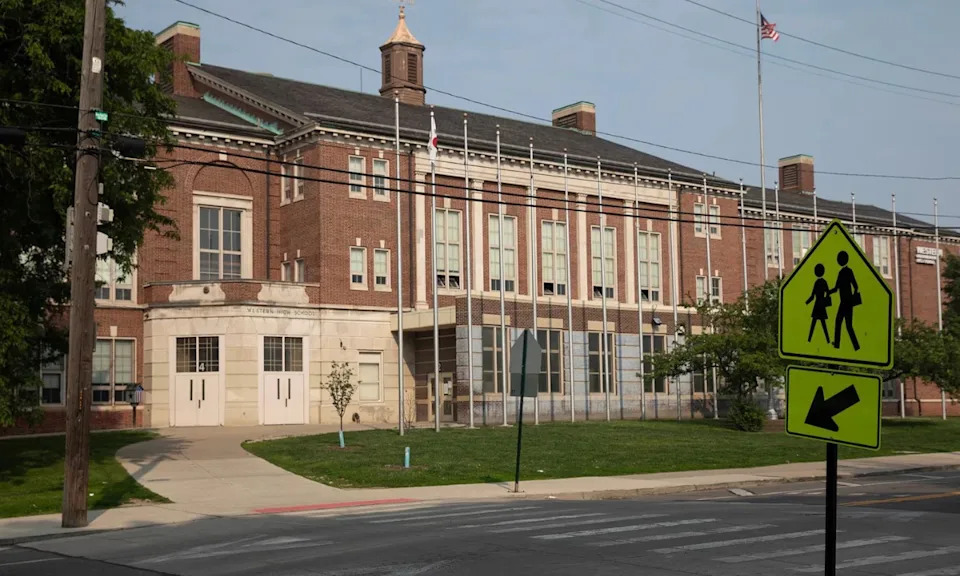
More than 1,200 Western International High School students were English learners in the 2024-25 school year, making up around 64% of the student body. (Elaine Cromie for Chalkbeat)
Academic Outcomes and Research Recommendations
Outcomes show persistent gaps. In 2025, about 10.4% of Detroit's English learners met or exceeded proficiency on the M-STEP, a decline from the prior year, and the four-year graduation rate for English learners was 79.2%, 3.8 percentage points below the district average.
EPIC's 2025 report found nearly half of Michigan's ELLs remained in specialized programs after six years, suggesting instruction may not be well matched to students' needs. A 2021 third-party analysis for the Michigan School Finance Research Collaborative recommended substantially higher per-pupil ELL investments — roughly $3,500 to $7,500 per student depending on WIDA band — and called for funding that also covers students at higher proficiency levels.
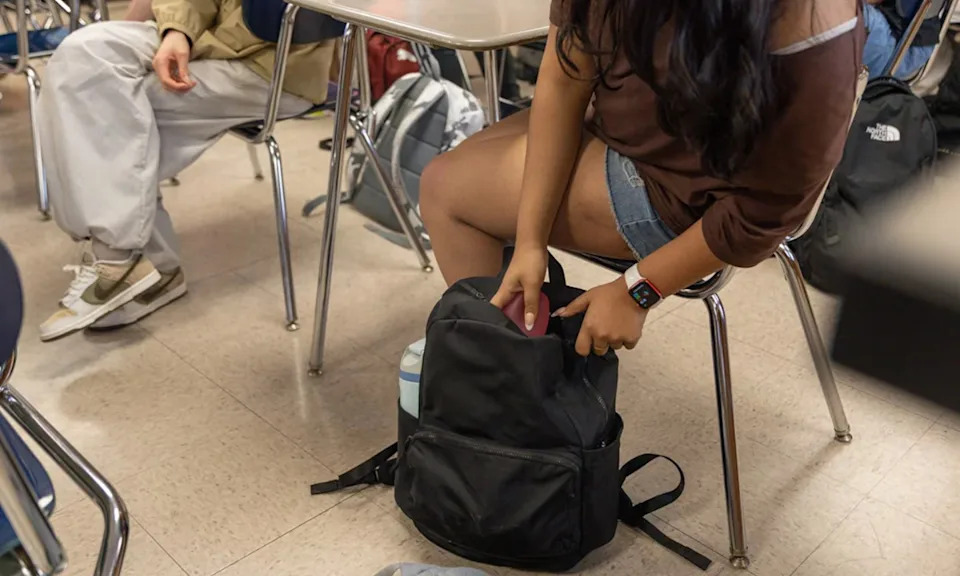
Students pack their bags as their biology class wraps up at Troy High School. (Caria Taylor for Chalkbeat)
Policy Changes and Limits
Advocates praised two policy moves: the legislature increased ELL funding by $12.5 million for 2026–27 and made the weighted ELL formula state law, replacing a competitive grant process so districts automatically receive allocations and report how funds are spent. Lawmakers said they plan annual increases until funding reaches recommended levels, but they did not set a timeline.
The Michigan Department of Education is updating monitoring and reporting procedures to ensure districts comply with the law's reporting and minimum-instruction guidance.
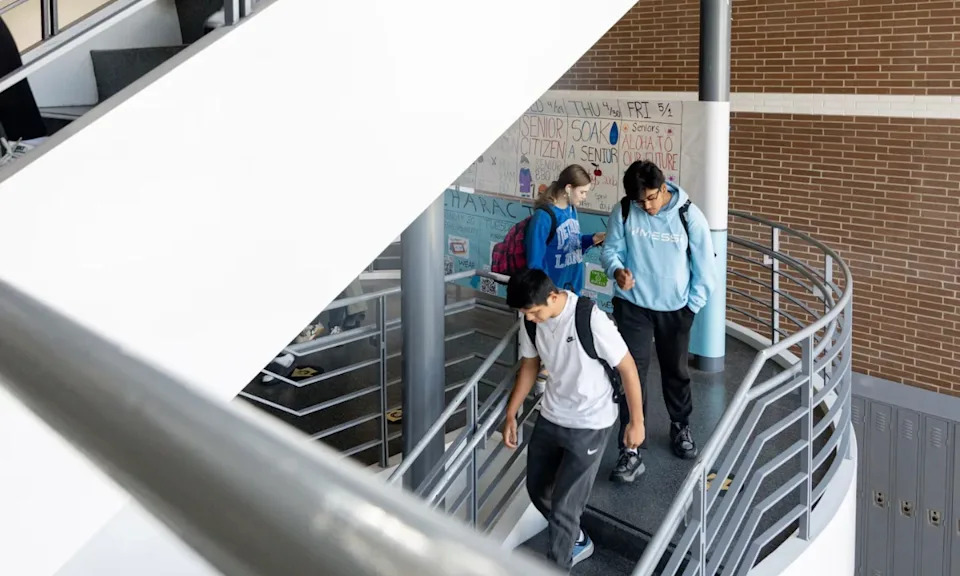
Nearly 40% of students in the Troy School District are either former or current English learners, said Superintendent Richard Machesky. Pictured, students head to class at Troy High School. (Caria Taylor for Chalkbeat)
What Educators Say
Teachers and school leaders say the concentrated funding for the lowest proficiency bands forces schools to prioritize the most urgent needs and leaves students who are near-proficient without the instructional minutes and targeted support that help them succeed in grade-level courses. One Detroit high school student, who emigrated from Cuba, described being placed in general education despite qualifying for ELD minutes and struggling until he returned to an ESL class.
Bottom line: The $12.5 million increase is a step forward, and making the weighted formula permanent provides stability and transparency — but many advocates and researchers say Michigan must commit to far larger, phased increases and clearer timelines if students approaching proficiency are to receive the supports they need to thrive.
Reporting note: This article synthesizes reporting and research originally published by Chalkbeat Detroit and analyses by Michigan State University research centers.
Help us improve.