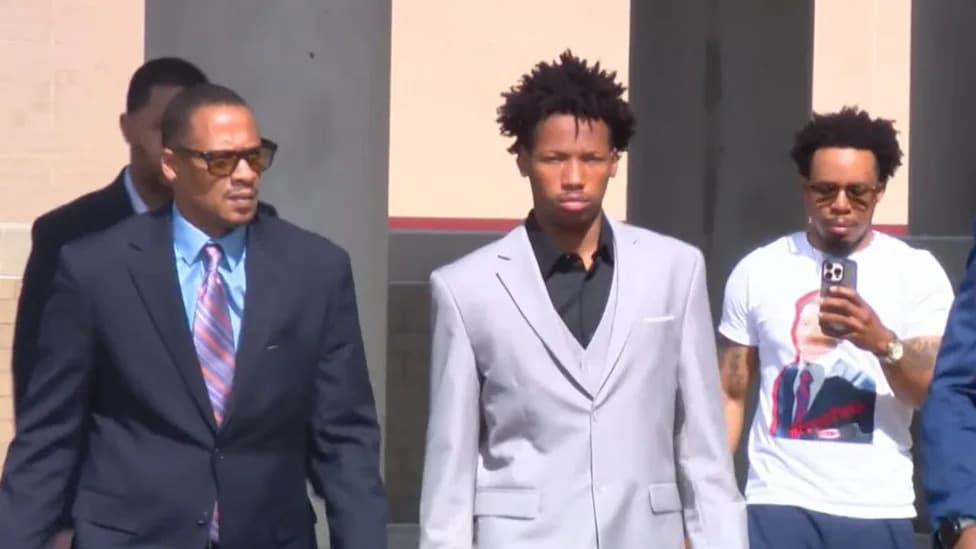
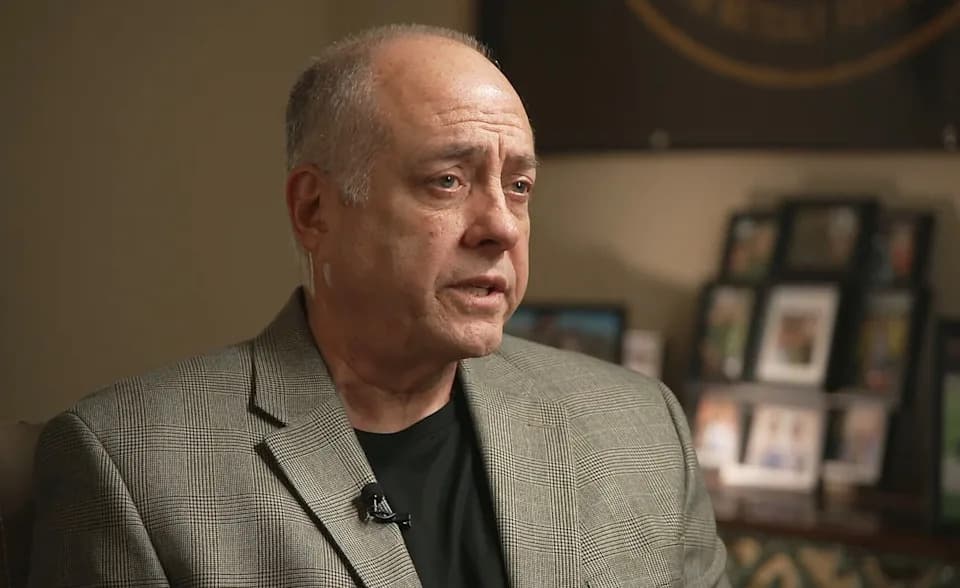
Summary: A 75-page Rule 404(b) notice in the Karmelo Anthony case lists alleged prior acts — texts, photos and videos prosecutors said they might seek to admit at trial. Former prosecutor Tiffany Burks explains the filing simply notifies the defense and does not automatically make that material part of the jury record. Each item still requires a judge's ruling on admissibility, and prosecutors often file broadly to preserve options at trial. Anthony was convicted of the murder of 17-year-old Austin Metcalf and sentenced to 35 years.
Attorney: 75-Page 404(b) Filing Isn’t A Jury Roadmap In Karmelo Anthony Murder Case
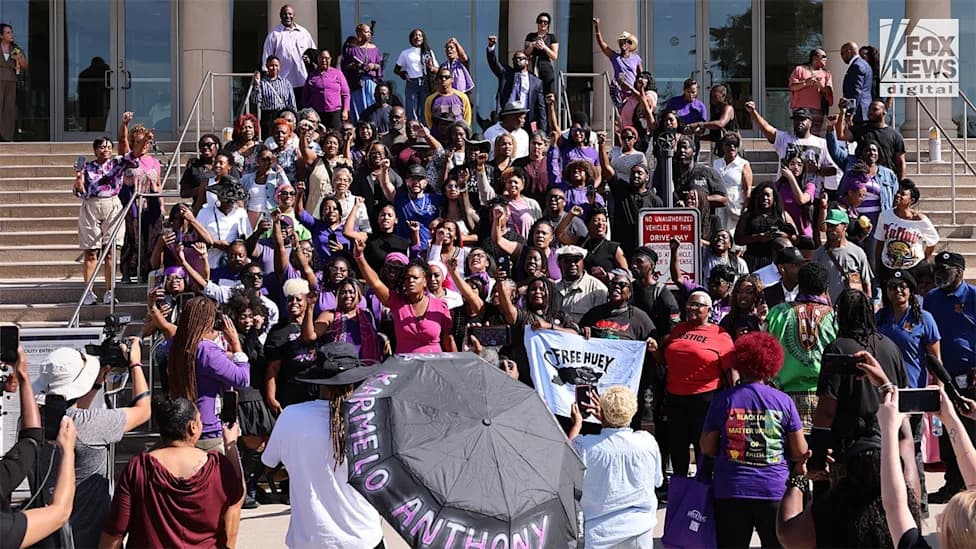
Karmelo Anthony supporters
A 75-page pretrial notice prosecutors filed in the Karmelo Anthony murder case lists alleged threats, photographs of firearms, violent text messages and other prior-act allegations — but a veteran Texas criminal defense attorney says many readers misunderstand what that filing actually means for jurors.
What The Filing Is — And What It Isn’t
The document, submitted under Texas Rule of Evidence 404(b), enumerates dozens of incidents prosecutors said they might seek to introduce at trial. Those allegations range from text messages in which Anthony allegedly wrote things like "When I get mad I see red" to photographs and videos prosecutors say show him with firearms. The notice goes back to incidents in Anthony's school years in Louisiana and includes claims of fights, suspensions, threats, assaults and other misconduct.
To some, the 75-page list may look like the prosecution's blueprint. But Tiffany Burks, a partner at Varghese Summersett and a former prosecutor, told Fox News Digital the filing functions mainly to give the defense advance notice — not to present evidence to jurors by default.
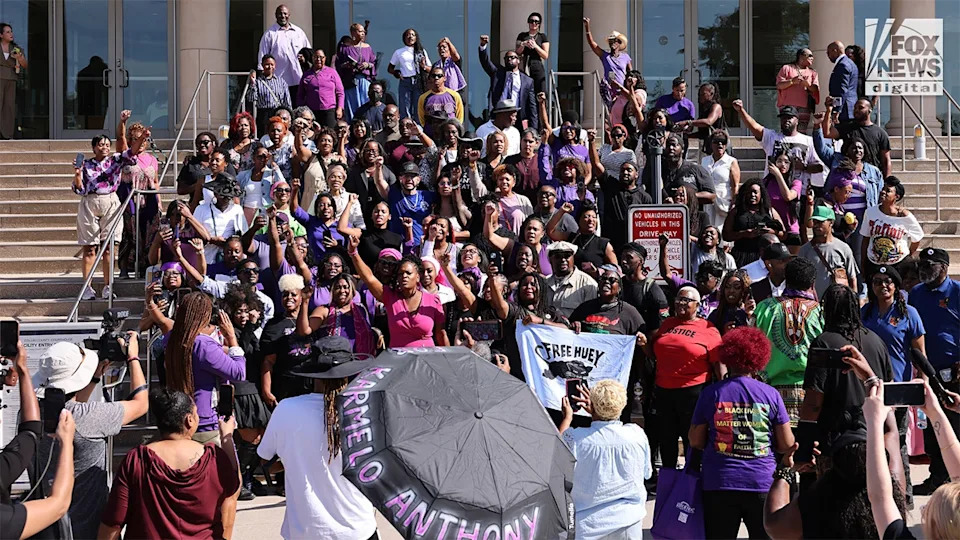
Supporters of Karmelo Anthony assemble outside of Collin County Courthouse in McKinney, TX, on Wednesday, Aug. 19, 2026. Anthony was convicted of the murder of Austin Metcalf in June.
Tiffany Burks: "Filing a 404(b) notice does not mean jurors will automatically hear the evidence. It simply gives the defense notice of what prosecutors may seek to introduce so defense attorneys can investigate and prepare a response."
Why Prosecutors File Broad Notices
Rule 404(b) generally prohibits using prior bad acts solely to show a defendant's character, but such evidence can be admitted for other purposes — for example, to show intent, identity, absence of mistake, or to rebut a defensive theory such as self-defense. Because admissibility must be determined by a judge, prosecutors often list extensive material in a notice to preserve the option of asking a court to admit specific items later.
"When I was a prosecutor, I would put everything but the kitchen sink in the notice," Burks said. The notice gives defense counsel time to investigate the allegations and prepare objections or rebuttal evidence before trial.
How This Affected The Anthony Case
Prosecutors filed the 404(b) notice roughly a month before the murder trial. The filing has taken on renewed importance because Anthony's bid for a new trial alleges confusion over a pretrial agreement about character evidence that, he claims, affected his decision not to testify — a claim prosecutors dispute.
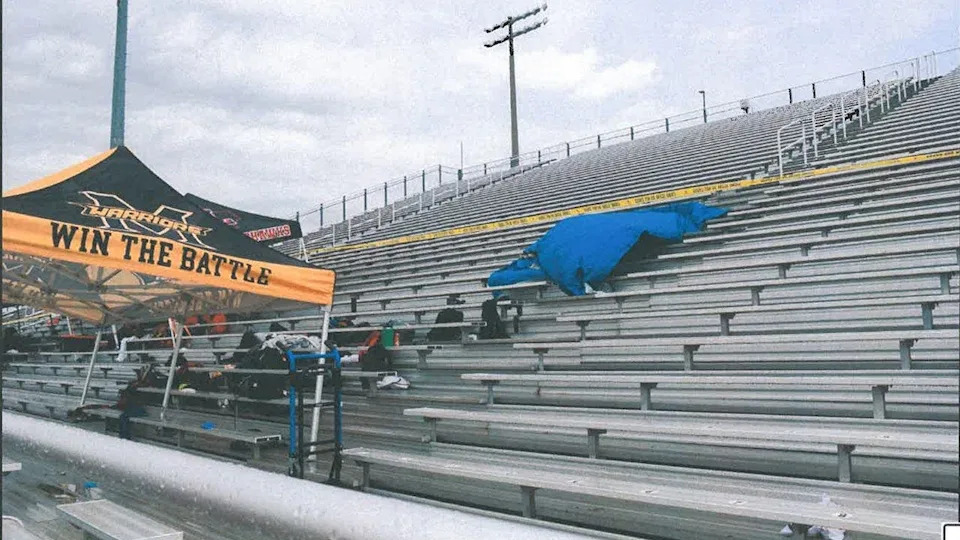
Austin Metcalf was murdered under a track tent when convicted killer Karmelo Anthony stabbed him at a Frisco, Texas high school track meet.
A Collin County jury ultimately rejected Anthony's self-defense claim after hearing testimony from more than 20 witnesses and reviewing surveillance video from the track meet. Jurors convicted him of murdering 17-year-old Austin Metcalf and sentenced him to 35 years in prison.
Key Legal Takeaway
Even when prosecutors disclose extensive alleged prior acts in a 404(b) notice, each item must still pass admissibility standards. A judge will evaluate evidence item-by-item before it can be presented to jurors. The notice itself is not evidence that the alleged acts occurred; it is a procedural safeguard to prevent surprise and to protect the parties' rights at trial.
Fox News Digital reached out to Anthony's attorney and the prosecutors' office for comment.
Help us improve.