The California attorney general has reportedly received AI-generated mailers urging him to stop opposing the Paramount merger, prompting concerns that AI is being used to manufacture the appearance of public support. More Perfect Union flagged the mailers as likely machine-produced and implicated wealthy interests connected to the Ellison family. Observers warn that AI-driven messaging can blur the line between genuine civic input and astroturfing, and call for clear labeling and disclosure of who funds outreach.
California AG Targeted With AI-Generated Mailers Pressuring Him To Drop Opposition To Paramount Merger

Photo Credit: Instagram
California’s attorney general has reportedly received AI-generated mailers urging his office to stop opposing the proposed Paramount merger, a development that raises broader concerns about artificial intelligence being used to manufacture the appearance of public support in high-stakes corporate and political fights.
What Happened
On Instagram, the progressive group More Perfect Union highlighted the mailers and argued they appear to be AI-produced rather than genuine public feedback. The post suggested wealthy interests tied to the Ellison family are using automated tools to create the impression of grassroots enthusiasm for the deal.
More Perfect Union: “The Attorney General of California is now getting AI slop mailers telling him to stop fighting the Paramount merger.”
Why This Matters
When regulators review major mergers they consider public sentiment alongside potential harms to consumers and competition. If AI can cheaply generate persuasive messages at scale, it becomes harder to distinguish authentic civic engagement from coordinated, machine-driven influence—also known as astroturfing.
A merger involving a major entertainment company can ripple across the media landscape, affecting newsroom independence, creative jobs, consumer choice and the diversity of voices available to audiences. Artificially inflated support could skew regulators’ view of public opinion and obscure legitimate community concerns.
Broader Risks And Trade-Offs
The episode comes as AI tools make it much easier to produce polished, persuasive text and mailers at large scale, lowering the bar for spam, misinformation, and hard-to-trace pressure campaigns. That raises transparency and accountability questions for campaigns and corporate outreach.
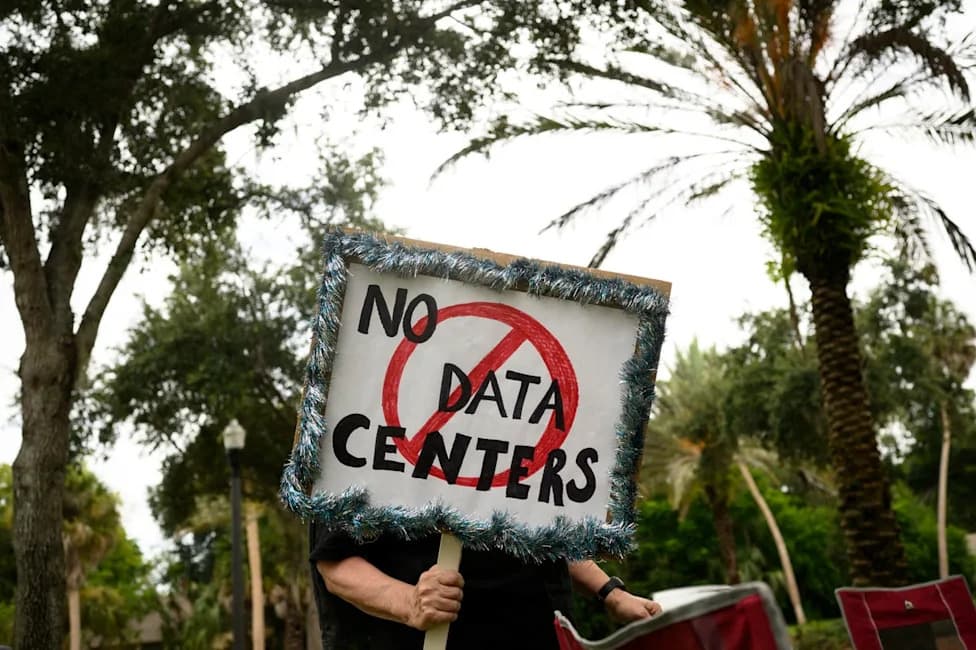
AI systems also depend on data centers that consume substantial electricity and water. That can increase strain on local grids and, in some cases, contribute to higher household costs. Conversely, AI can be used to improve grid forecasting and optimize clean energy systems such as solar, wind and battery storage—illustrating a complex set of environmental trade-offs.
What Would Help
Clear labeling of AI-generated materials and full disclosure of who paid for outreach campaigns would make it easier for regulators, journalists and the public to evaluate claims of popular support. Without such transparency, public debate and major economic decisions risk being shaped by automated influence rather than real communities.
More Perfect Union summarized the concern: “Oligarchs like the Ellisons don’t have the support of the people when it comes to their endless corporate greed. So they’re using AI to make it look like they do.”
Who to watch: California’s attorney general, regulators reviewing the merger, watchdog groups tracking political advertising, and lawmakers considering disclosure rules for AI-driven outreach.
Help us improve.