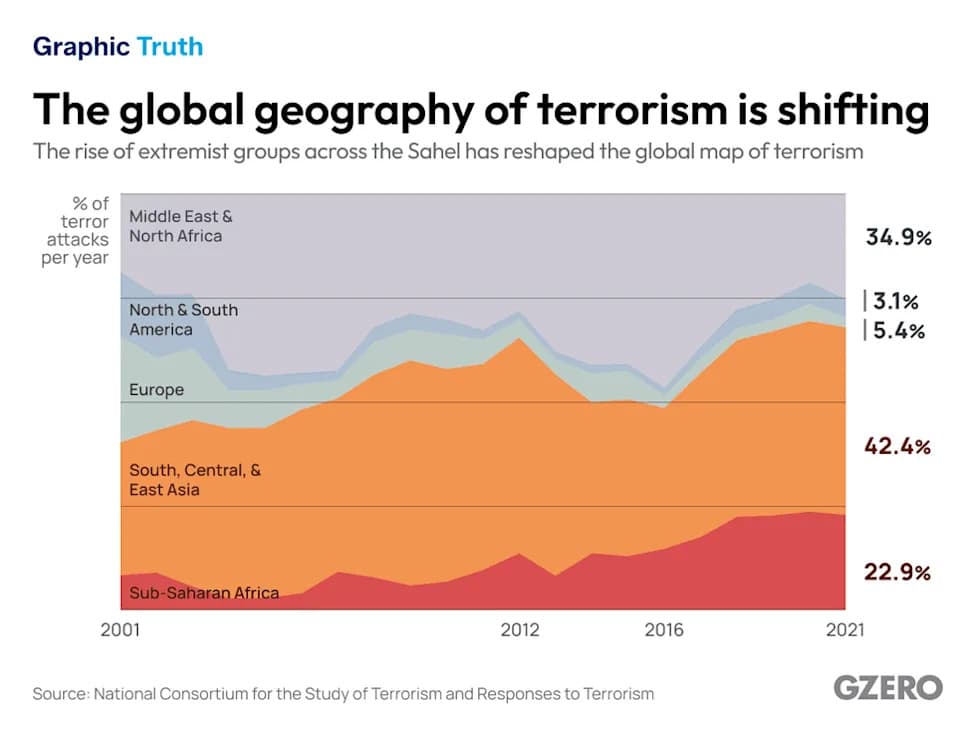
Hasan Piker drew bipartisan backlash after saying on Axios that, "pound for pound," U.S. actions have caused more deaths than al‑Qaeda, citing a Feb. 2026 strike on a girls' school in Minab. Experts say "terrorism" lacks a single definition: scholars often restrict it to deliberate violence by non‑state actors, while legal scholars and international law focus on whether force was lawful and whether civilians were intentionally targeted. Empirical studies show far higher overall death tolls linked to post‑9/11 conflicts than to al‑Qaeda alone, but attribution and legal responsibility remain complex.
What Is Terrorism? Hasan Piker’s 'Pound‑For‑Pound' Comparison To Al‑Qaeda and the Legal Debate

Hasan Piker attends the 2026 Vanity Fair Oscar Party Hosted By Mark Guiducci at Los Angeles County Museum of Art on March 15, 2026 in Los Angeles, California. (Photo by Dia Dipasupil/FilmMagic)
Left‑leaning streamer Hasan Piker set off a political firestorm after telling Axios on Sept. 17 that, "pound for pound as far as the number of deaths," the United States has caused more deaths than al‑Qaeda. The clip, from The Axios Show, spread quickly and prompted bipartisan criticism and a renewed conversation about what “terrorism” actually means.
What Piker Said And The Immediate Backlash
When correspondent Alex Thompson asked whether Piker thought "America then is worse than al‑Qaeda?", Piker replied, "Pound for pound as far as the number of deaths, yes. We have caused tremendous terror all around the world," citing a Feb. 2026 strike on a girls' school in Minab, Iran, that Iranian authorities say killed more than 140 students. He added that he did not mean "that all Americans are terrorists."
The clip drew swift condemnation: Republican officials demanded that Democrats disavow him, some Democrats distanced themselves, and critics cited Piker's past controversial statements. Piker called Axios's clip "clickbait," saying his answer was intended as a nuanced comment about specific acts of terror allegedly caused by government actions.
Why The Term "Terrorism" Is Contested
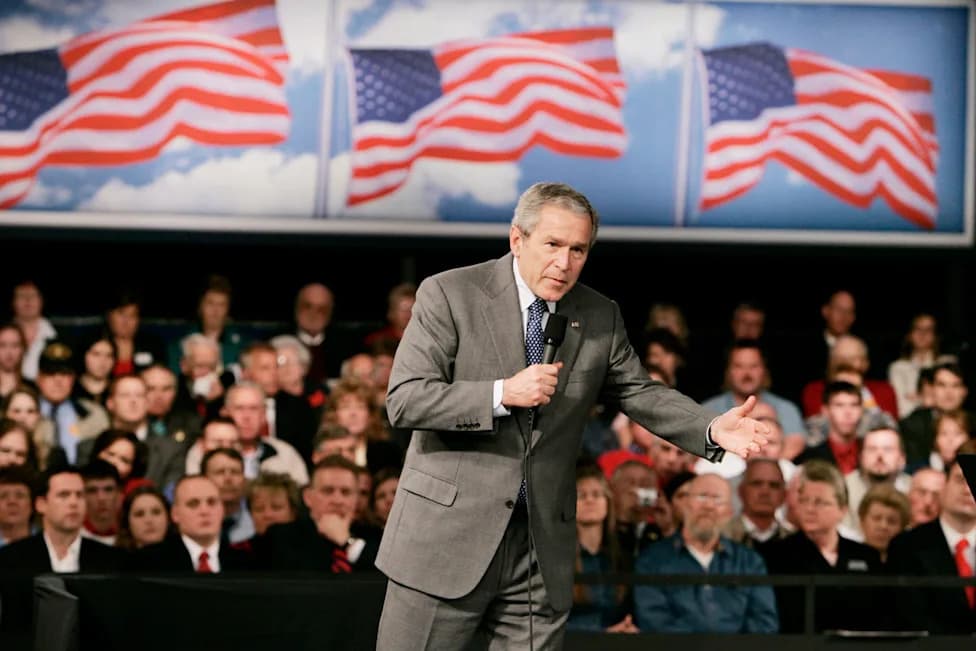
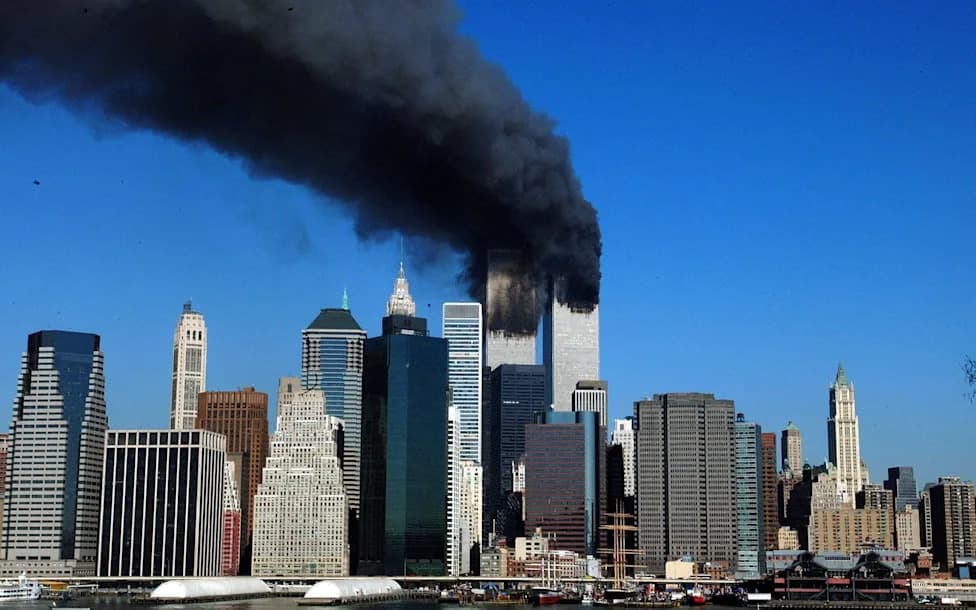
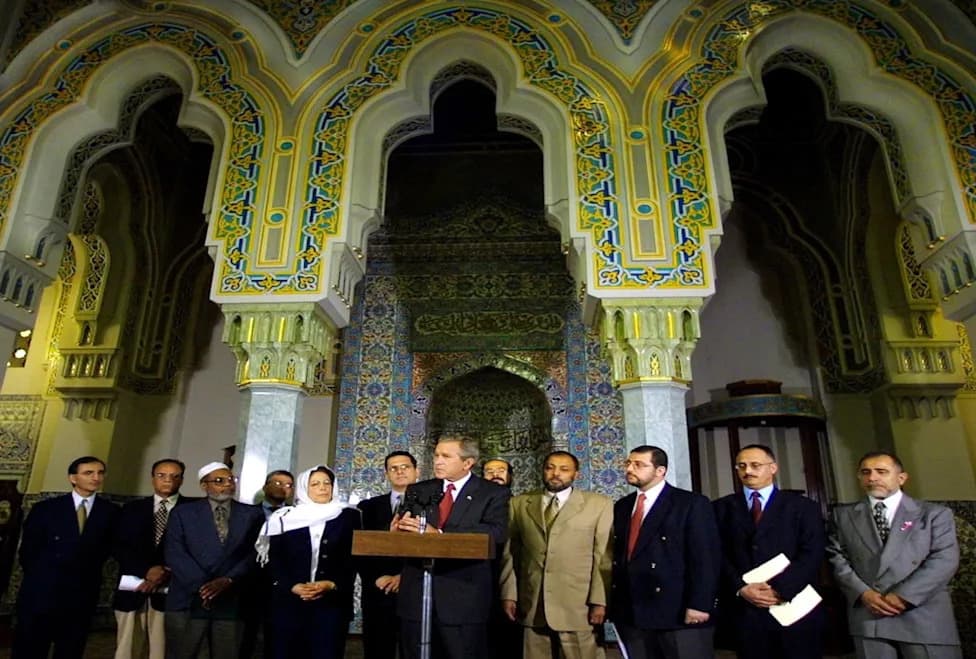
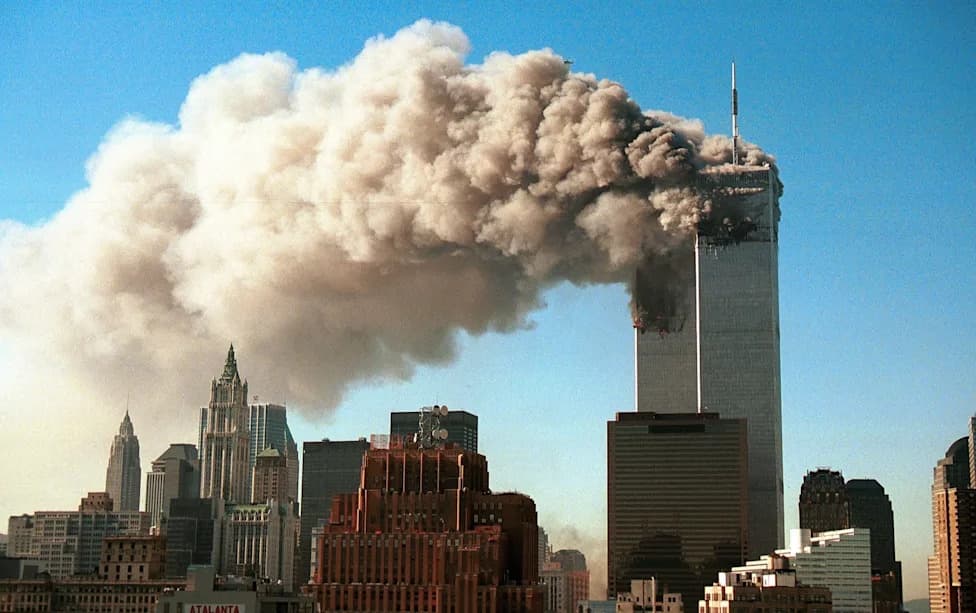
The word "terrorism" long predates Sept. 11, 2001, but those attacks made it central to U.S. politics and law. Nine days after 9/11, President George W. Bush declared a "war on terror," a phrase that reshaped policy, expanded counterterrorism law and changed how the public discusses political violence.
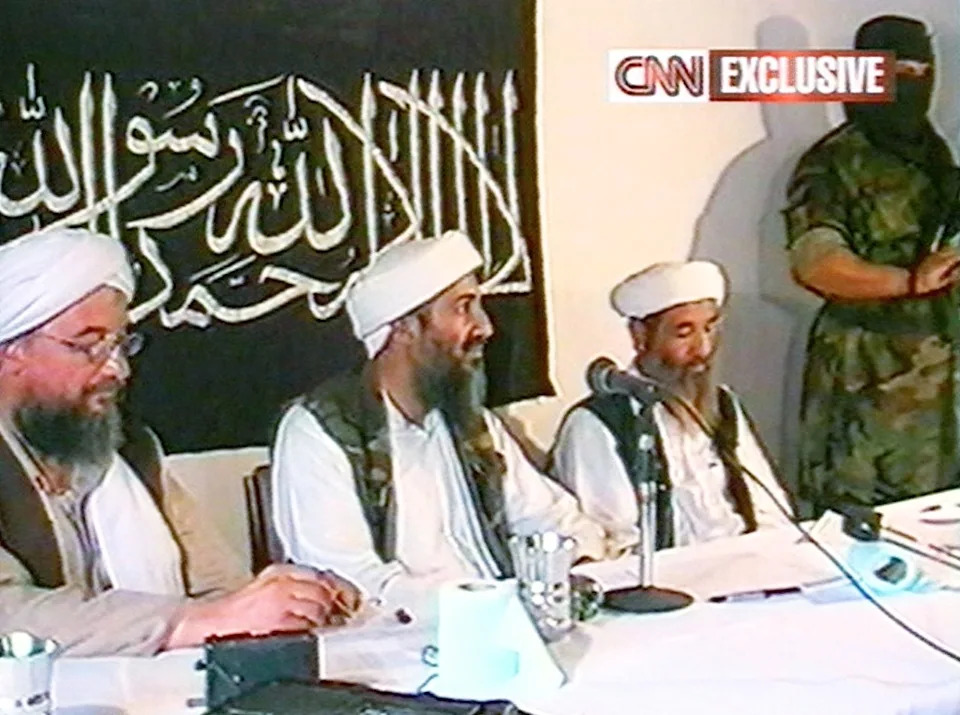
This image taken from a collection of videotapes obtained by CNN, shows three members of the upper echelon of the terrorist group al Qaeda; Ayman al-Zawahiri, the second in command; Osama Bin Laden, the leader; and Mohammed Atef, the chief military advisor (from L to R) at a press conference on May 26, 1998, in Afghanistan. (Photo by CNN via Getty Images)
Scholarly and Legal Perspectives
Newsweek consulted three leading experts in terrorism and the laws of war to explain key distinctions:
- Geoffrey Corn (Texas Tech): There is no universally accepted definition. Scholars commonly describe terrorism as unlawful violence aimed at influencing government policy or spreading fear.
- Bruce Hoffman (Georgetown): The "normative" scholarly definition typically limits terrorism to deliberate fear‑creating violence by non‑state actors pursuing political change.
- Mary Ellen O'Connell (Notre Dame): International law is the authoritative frame. She argues many violent acts by states violate international law and, in some cases, amount to war crimes.
Numbers, Attribution And Context
Comparing aggregate death tolls is fraught. Brown University’s Costs of War Project estimates more than 940,000 direct deaths from post‑9/11 conflicts in Iraq, Afghanistan, Syria, Yemen and Pakistan, and more than 4.5 million when indirect deaths are included. By contrast, al‑Qaeda’s confirmed direct tolls are far smaller: the Sept. 11 attacks killed 2,977 people and other major operations account for only hundreds more.
But experts caution against treating total conflict deaths as a simple tally of what one state caused. Many actors fight in each conflict; Costs of War researchers explicitly refrain from assigning all deaths to a single country. Peer‑reviewed studies (for example, a 2011 PLOS Medicine analysis) estimate coalition forces were directly responsible for a modest share of documented civilian deaths in Iraq, with the remainder attributable to sectarian violence, insurgents and other causes. Monitoring groups such as Airwars estimate thousands of civilian fatalities from U.S. airstrikes, while think tanks attribute additional deaths to al‑Qaeda affiliates and offshoots.
Legal Distinctions: Intent, Proportionality And State Action
Two central legal ideas separate many definitions:
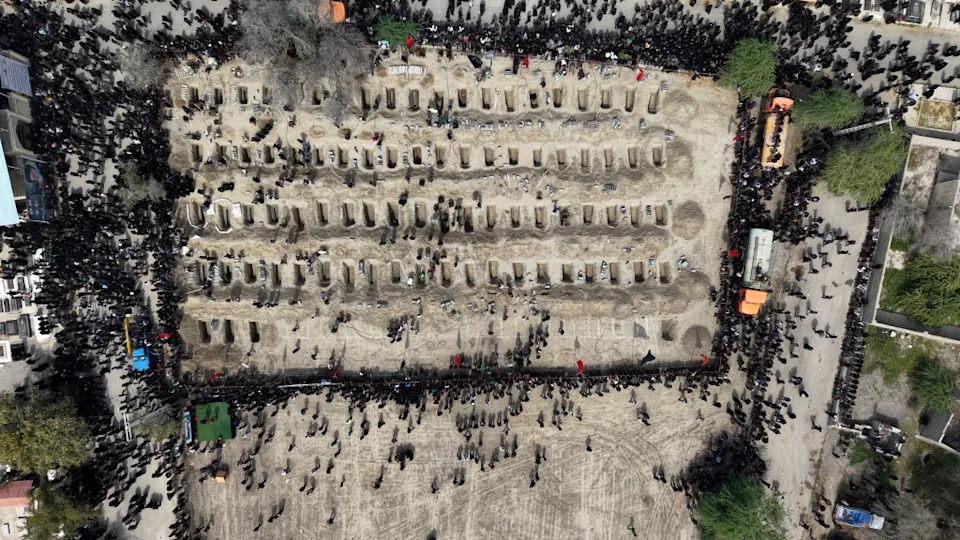
An aerial view of a graveyard as funerals are held for students and staff from a girls' school, who authorities said were killed in a US-Israeli strike on February 28, on March 3, 2026, in Minab, Iran. (Photo by Handout/Getty Images)
- Intent: Terrorism is usually defined by the deliberate targeting of civilians to create fear for political ends. Accidental or incidental civilian deaths during lawful military operations are assessed under the law of armed conflict.
- Proportionality and Lawfulness: International humanitarian law forbids intentionally targeting non‑combatants. Civilian harm that occurs incidentally may be lawful if it is not excessive compared with the anticipated military advantage (the proportionality rule).
Some scholars draw a further distinction between "terrorism" (largely non‑state actors) and "state terror" (violent acts by states intended to terrorize populations). "State terrorism" carries rhetorical weight but limited legal traction: states rarely are prosecuted under terrorism statutes; instead, international mechanisms pursue war crimes, crimes against humanity or genocide when appropriate.
Accountability And Enforcement
The public record on accountability for U.S. civilian harm is mixed. Internal Pentagon files revealed hundreds of civilian casualty allegations with few substantiated findings and rare discipline. High‑profile incidents—such as the 2015 strike on a Doctors Without Borders hospital in Kunduz and the 2021 Kabul drone strike—led to internal investigations and administrative responses but few criminal charges. By contrast, non‑state actors like al‑Qaeda face military and intelligence actions rather than conventional judicial processes.
Where Piker's Comparison Fits
"Pound‑for‑pound" comparisons of death counts can be politically powerful but legally imprecise.
Corn and Hoffman argued Piker’s numerical comparison elides legal differences—particularly intent and the legal framework governing armed conflict—while O'Connell emphasized that many recent state uses of force may be unlawful and, in some instances, constitute war crimes. The exchange crystallizes why "terrorism" remains a contested, politically charged term: it can be a potent rhetorical weapon but is constrained and complicated when measured against international law and empirical casualty research.
Photo caption: Hasan Piker at the 2026 Vanity Fair Oscar Party in Los Angeles. (Photo by Dia Dipasupil/FilmMagic)
Contact Newsweek editors on this story: Jason Lemon and Gray R. Thomas.
Help us improve.