Utah's government‑immunity statute may prevent the Kirk family's wrongful‑death suit against Utah Valley University despite allegations that the school declined extra police protection and ignored security warnings. The family points to a message from UVU Police Chief Jeffrey Long—"I got you covered"—as evidence the university assumed responsibility for Kirk's safety. Legal experts say the statute's protection for claims that "arise out of a battery" (including gunshot deaths) creates a steep legal hurdle, though precedent and legislative interest keep the issue alive.
Utah Immunity Law Could Block Kirk Family's Wrongful-Death Suit Despite Alleged UVU Security Failures
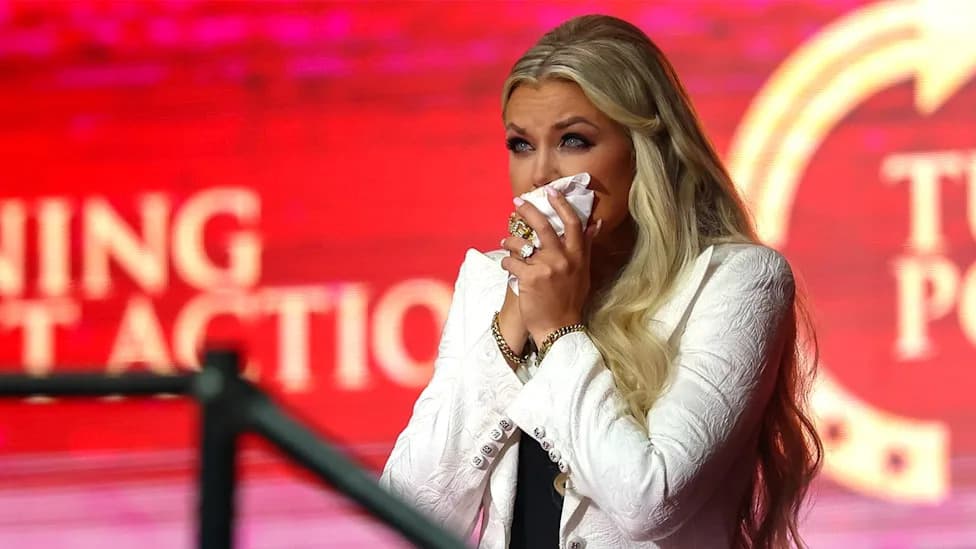
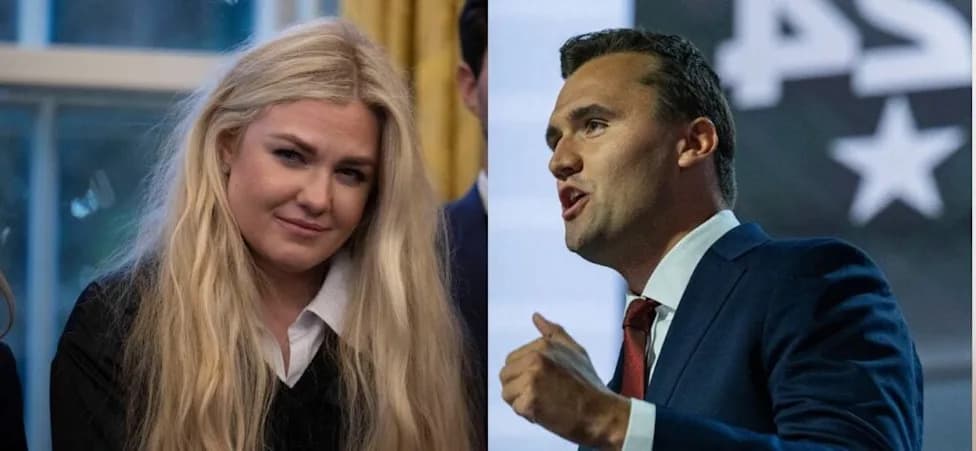
Erika Kirk on stage at Charlie Kirk memorial
The Kirk family has filed a notice of intent to sue Utah Valley University, alleging multiple security failures surrounding Charlie Kirk's assassination — but Utah's broad government-immunity statute may make a wrongful-death claim difficult to pursue.
Background
Charlie Kirk, 31, co‑founder of Turning Point USA, was shot and killed while speaking at Utah Valley University (UVU) in Orem on Sept. 10, 2025. On Sept. 9, one day before the anniversary of his death, the family filed a notice of intent to sue, accusing the university of declining offers of extra police protection, ignoring warnings from Kirk's security detail and lacking an adequate security plan for his appearance.
Key Evidence
The Kirks point to a message from UVU Police Chief Jeffrey Long to Kirk's team about rooftop access near the Sorenson Center. After concerns were raised, Long reportedly messaged, "I got you covered." Their lawyers say that message supports an assertion that the university assumed responsibility for security and then failed to follow through.
Legal Hurdles: Utah's Government Immunity
Legal scholars and trial lawyers warn that Utah's government‑immunity statute could block the family's claim. The law broadly shields the state and its employees from lawsuits arising out of a range of circumstances, including claims that "arise out of a battery," a phrase Utah courts have interpreted to include injuries from gunshot wounds.
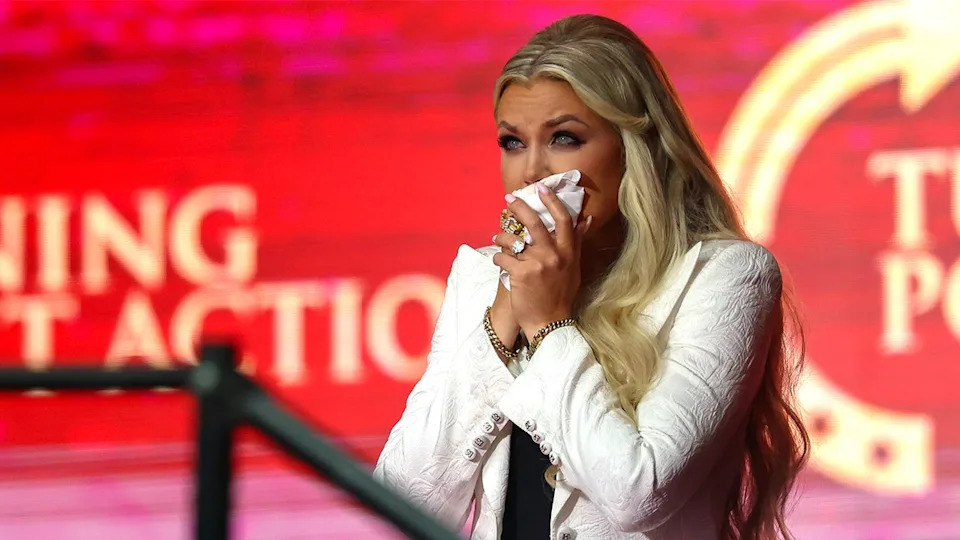
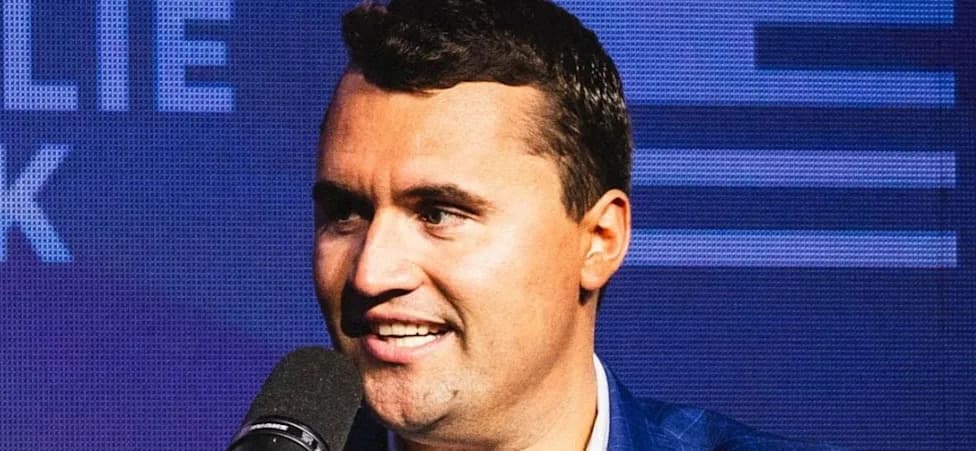
(Eric Thayer/Getty Image)
"Unfortunately, Charlie Kirk's family is going to have a very difficult time prevailing in a wrongful death case in Utah," said Tenielle Brown, a University of Utah law professor, noting that the statute can protect government actors even if their conduct was reckless.
Precedent and Context
Experts cite prior cases to illustrate the statute's reach. In a 2005 decision, Wagner v. Utah, the Utah Supreme Court held that a civil battery need not require intent to inflict harm, which has shaped how the immunity statute is applied. Attorneys also point to a 2010 case involving Mika Scott, a UVU student who sued Utah County after an escapee raped her; courts refused relief in part because the claim "arose out of a battery."
Arguments For And Against Liability
Trial lawyers say the Kirk family's strongest argument is that UVU expressly undertook a specific duty by telling the security team "I got you covered," creating a narrower duty of care that may be easier to litigate than a generalized duty to protect the public. Defenders of the immunity law counter that the statute explicitly bars suits that arise out of batteries and related third‑party criminal acts.
UVU Response And Next Steps
UVU confirmed receipt of the notice of claim and said it handles legal matters through established processes while focusing on campus support. Former UVU president Astrid Tuminez and Chief Long are named in the filing; Tuminez resigned in May 2026. The family's lawyers have been contacted for comment but have not released additional public statements.
What This Means
The case highlights tension between victims' efforts to hold institutions accountable for security failures and statutory protections afforded to government entities in Utah. Some legal observers say the Utah Supreme Court's guidance in prior decisions signals the legislature might consider narrowing immunity, but no statutory changes have been enacted.
Outcome: The Kirks' notice starts a procedural process; whether a wrongful‑death suit can survive Utah's immunity defenses will likely be decided through pretrial motions and potential appellate review if the suit proceeds.
Help us improve.