Three men have been jailed for the 2017 car-bomb killing of journalist Daphne Caruana Galizia, but the alleged mastermind, Yorgen Fenech, was acquitted despite admitting he paid €50,000 to a middleman. The jury’s eight‑to‑one verdict has alarmed observers, who warn it damages confidence in Malta’s judiciary and press freedom. The case highlights a wider crisis tied to rapid economic growth, alleged state complicity and unimplemented reforms recommended by a 2021 public inquiry.
Malta’s Justice Crisis: Acquittal of Alleged Mastermind Undermines Trust After Daphne Caruana Galizia Murder
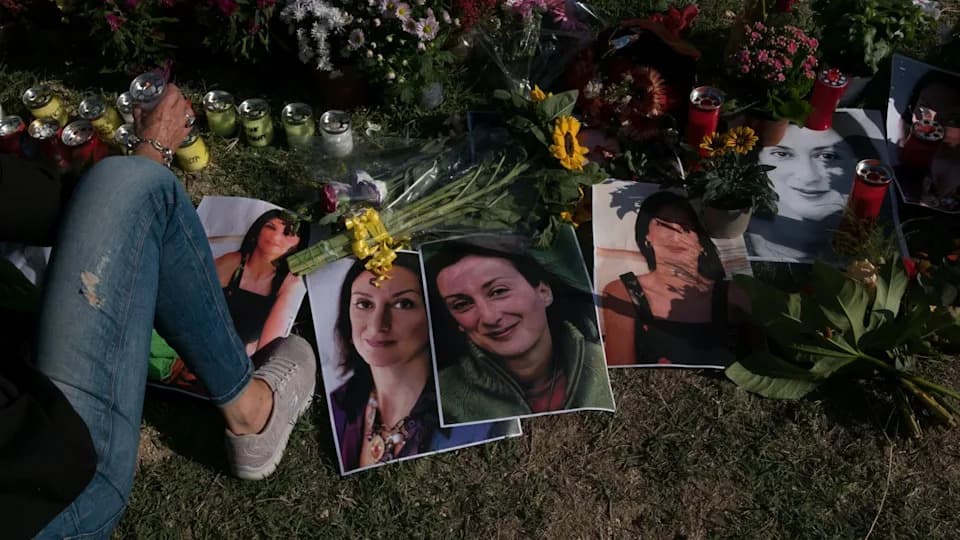
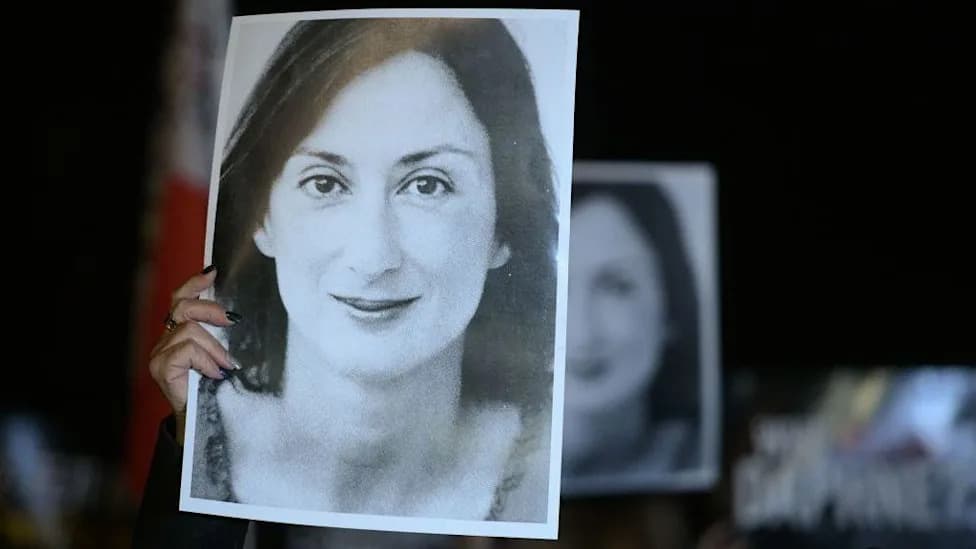
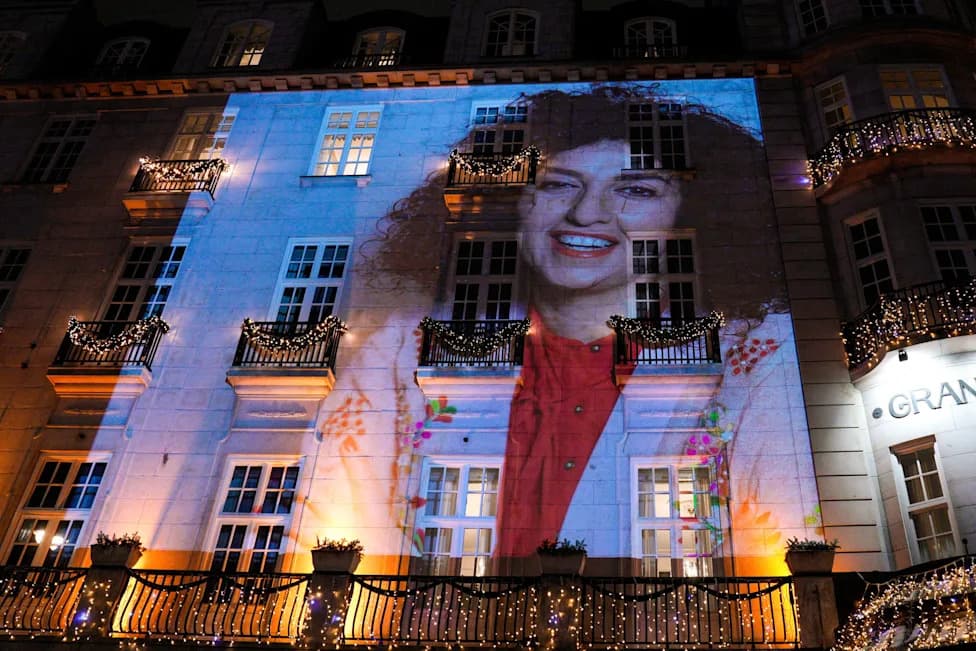
Three men are now behind bars for the assassination of journalist Daphne Caruana Galizia. | Credit: Joanna Demarco / Getty Images
Three men have been jailed for the 2017 car-bomb assassination of investigative journalist Daphne Caruana Galizia, but the acquittal this month of the man accused of commissioning the killing has reignited questions about Malta’s rule of law.
Acquittal Despite an Admission
The defendant, Maltese businessman Yorgen Fenech, who was linked to senior figures in the former government, admitted in a police interview that he had paid €50,000 to a middleman who recruited the killers. Yet after a two-month trial that followed a nine-year investigation, a jury cleared him of conspiracy to murder by a margin of eight to one. The verdict stunned many Maltese and international observers.
“A hammer blow to justice, press freedom and the EU,” wrote The Observer, noting that Fenech’s confession was "never seriously rebutted" at trial.
Why the Verdict Deepens Concern
Commentators and campaigners offered several explanations for the verdict: fear among jurors, legitimate doubts about a police probe marked by leaks and gaps, and allegations that investigators failed to pursue other suspects — notably Keith Schembri, former chief of staff to then–prime minister Joseph Muscat — who some say could have been the true mastermind.
Many see the case as part of a wider pattern. Since the Labour Party took power in 2013, Malta has experienced rapid economic growth driven by an aggressive strategy to attract wealthy foreigners: foreign direct investment rose from €9.6 billion in 2013 to about €460 billion in 2024, and GDP growth approached 70 percent. Critics argue that this boom has coincided with entrenched corruption and a dangerous intimacy between business and politics.
Caruana Galizia’s Work and the Broader Context
Caruana Galizia’s reporting exposed alleged high-level corruption, including controversy around a power plant project run by Electrogas, a company with links to the Azerbaijani state energy firm SOCAR and to Fenech. Her investigations helped trigger the political turmoil that led to Joseph Muscat’s resignation in 2020.
In 2021 a public inquiry concluded the state had created "a climate of impunity, generated from the highest levels at the core of the administration" that made the murder possible. The panel recommended reforms — such as criminalising obstruction of investigations and adopting stronger anti‑mafia-style measures — but many of those proposals have not been implemented by successive governments.
What Comes Next
The acquittal has deepened public mistrust in Malta’s institutions and renewed calls for transparent, independent investigations and meaningful legal reform. Advocates for press freedom and the rule of law say the country must now demonstrate it will protect journalists, hold the powerful to account, and adopt the inquiry’s recommendations to restore confidence.
Key names: Daphne Caruana Galizia, Yorgen Fenech, Keith Schembri, Joseph Muscat. Key issues: jury verdict, alleged confession, gaps in the investigation, Electrogas/SOCAR links, unimplemented inquiry reforms.
Help us improve.