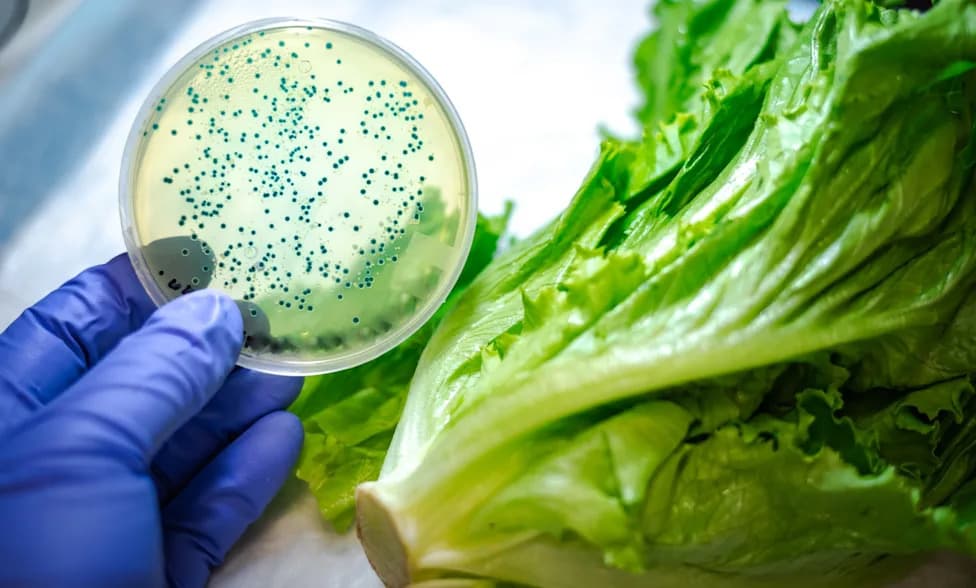
European food-safety authorities have flagged at least six RASFF notifications through Sept. 8, 2026, reporting unauthorized GM material in rice and rice-based products imported from China. Detected items include rice noodles, miso paste, hydrolyzed rice flour, rice crackers and rice sticks; the most recent alert identified the NOS terminator in rice sticks. RASFF entries can reflect border rejections as well as detections within the supply chain. The cases recall EU emergency import measures from 2011 and occur amid broader international disputes over GMO testing and approvals.
EU Flags Unauthorized GMOs in Chinese Rice Shipments — NOS Terminator and Cry1Ab/Ac Detected
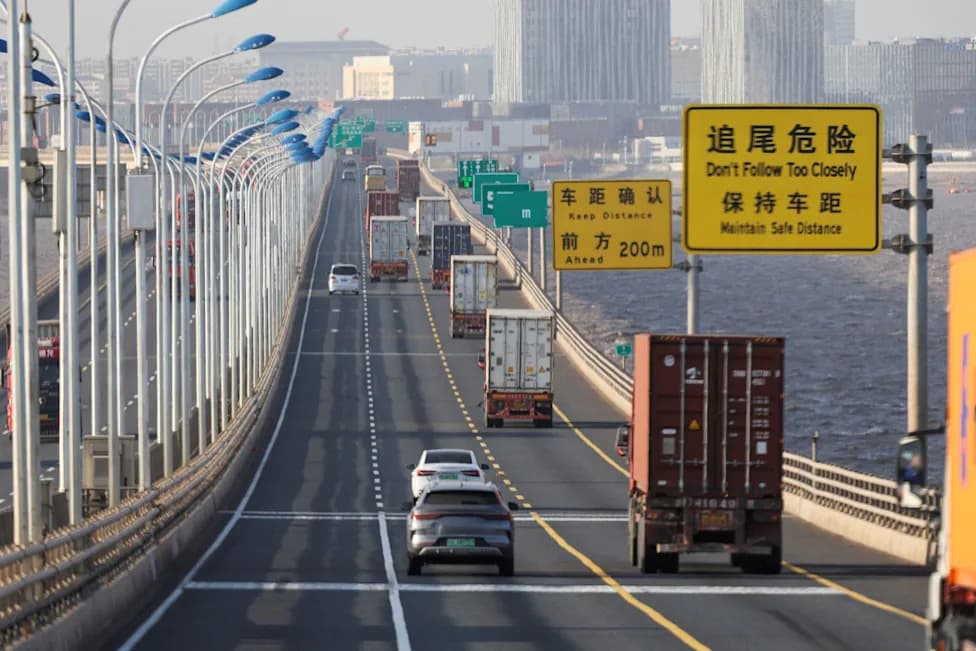
Trucks loaded with shipping containers pass over Donghai Bridge to exit Yangshan Port outside of Shanghai, China, February 7, 2025. REUTERS/Go Nakamura
European food-safety authorities have repeatedly detected unauthorized genetically modified (GM) material in rice and rice-containing products imported from China in 2026, according to records from the European Union's Rapid Alert System for Food and Feed (RASFF). Through Sept. 8, at least six RASFF notifications involved rice products such as noodles, miso paste, hydrolyzed rice flour, rice crackers and rice sticks.
Recent RASFF Notifications
Key entries reported to RASFF in 2026 include:
- Sept. 8 (Italy): Rice sticks flagged for an unauthorized GM component identified as the NOS terminator.
- Aug. 3 and Aug. 6 (Italy): Two separate shipments of rice crackers flagged for unauthorized GM material.
- July 13 (Netherlands): Hydrolyzed rice flour tested positive for GM material.
- July 6 (Netherlands): Miso paste identified as containing Cry1Ab/Ac.
- March 12 (Netherlands): Rice noodles reported to contain Cry1Ab/Ac.
What RASFF Entries Mean
RASFF entries include a range of notification types — from border rejections (shipments stopped at EU external borders) to alerts and information notifications for products found within the supply chain. A RASFF notification does not automatically mean a product reached consumers; some shipments are intercepted before sale.
Regulatory Background
Unauthorized GM rice from China has been a concern for EU regulators for more than a decade. In 2011 the European Commission introduced emergency import measures for rice and rice-derived products originating in or consigned from China. Those rules remain intended to prevent unauthorized GM rice varieties and derivatives (including flour, starch and noodles) from entering EU markets.
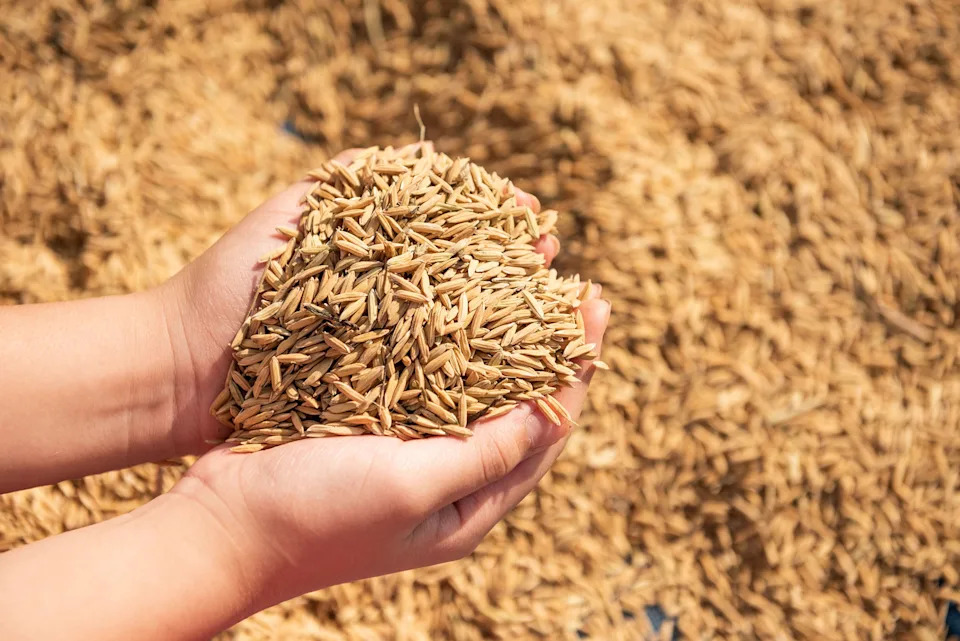
Image by jcomp, Freepik
China granted biosafety certificates in 2009 for two insect-resistant GM rice lines, but those varieties did not move to commercial release. Research published in 2025 indicated China had not approved GM rice for commercial cultivation, even as approvals and commercialization of other biotech crops accelerated. In late 2024, China’s Ministry of Agriculture and Rural Affairs issued new biosafety certificates — including what was reported as the country’s first gene-edited rice event — though a biosafety certificate alone does not equate to full commercial authorization.
International Context and Responses
The EU findings coincide with increased scrutiny by China of imported foodstuffs on GMO grounds. This year China rejected some Indian rice shipments after detecting GM material; Indian exporters have disputed those findings and pointed to pre-export testing. In response, India’s Agricultural and Processed Food Products Export Development Authority (APEDA) published a list of laboratories approved to conduct GMO testing for rice destined for China.
Observers, including retired USDA economist Fred Gale, have questioned certain recent import rejections where the affected products came from countries with limited or no commercial production of the implicated GM traits.
Note: These RASFF notifications underscore ongoing trade and regulatory friction around biotech testing, traceability and differing national approval processes. They also highlight the continued importance of testing protocols and clear documentation for exporters.
Image credit: jcomp, Freepik
Help us improve.