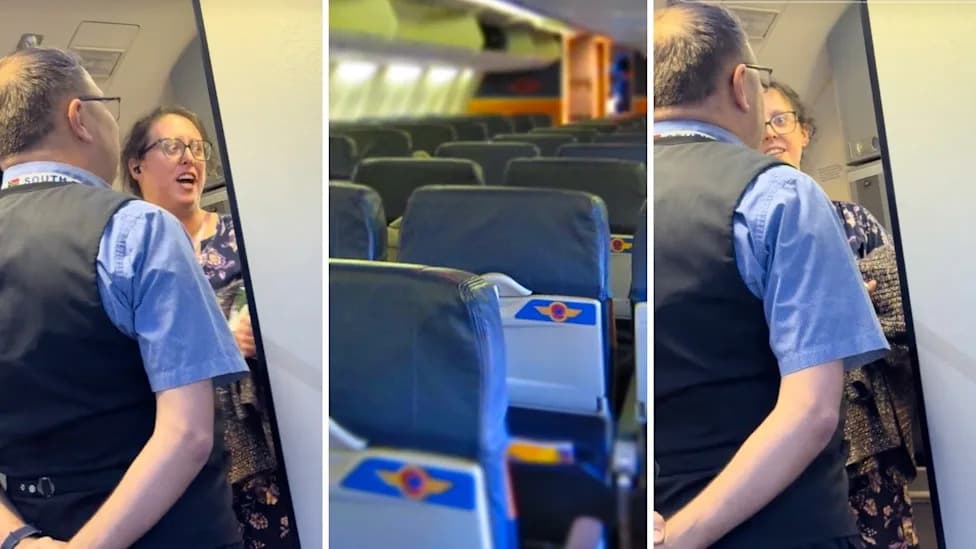
Sarah Awad, a contestant on Netflix’s Outlast: The Jungle, posted a TikTok showing a TSA officer flipping through and seemingly reading her private journal during a carry-on inspection. Awad asked the officer to stop, requested a supervisor and told the agent to search for prohibited items instead of lingering over her writing. The clip has drawn millions of views and thousands of comments calling for a formal complaint. While TSA can open carry-on bags for additional screening, agency guidance is unclear about whether officers may read personal written pages; courts say searches must be limited to legitimate security needs.
TSA Agent Caught Reading Woman’s Private Journal During Carry-On Search — TikTok Sparks Outrage
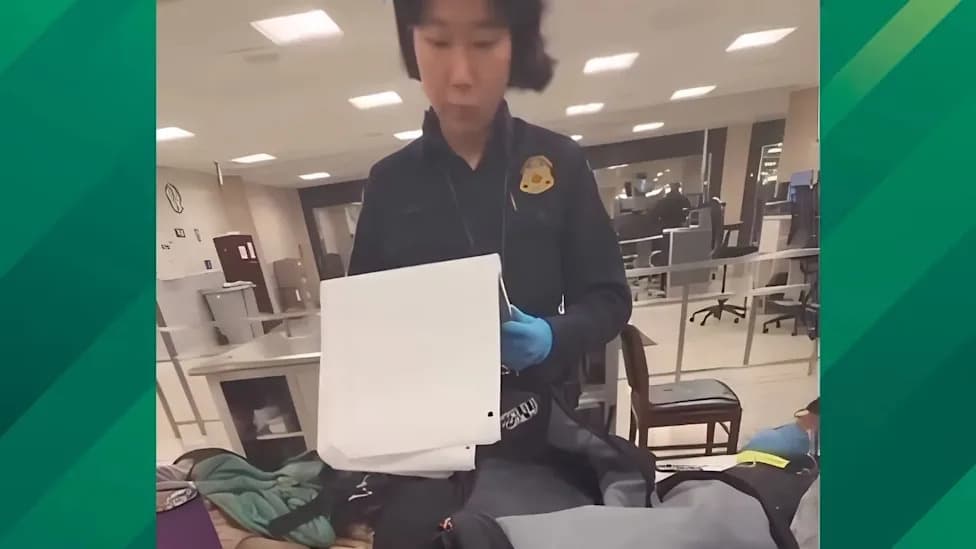
Image Credit: sarahawad__ TikTok.
Passing through airport security can be stressful, and a recent TikTok video has intensified that tension for one traveler. Sarah Awad, a contestant on Netflix’s Outlast: The Jungle, posted a clip showing a Transportation Security Administration (TSA) officer flipping through and appearing to read pages from her personal journal during a carry-on inspection.
In the video, the search initially looks like a routine bag check, but Awad soon realizes the agent is lingering over her private entries. She confronts the officer, saying,
"Now you're reading something I told you is confidential."She asks the officer to flip through the journal more quickly and requests to speak with a supervisor. At one point she tells the agent, "You can find your knife, find the drugs," urging them to stop focusing on her writing.
Awad did not explain why her bag was selected for inspection or whether the screeners discovered any prohibited items. The TikTok post has attracted millions of views and thousands of comments, with many viewers encouraging her to file a formal complaint and calling the search inappropriate.
Reaction and Policy Context
TSA policy authorizes officers to open and inspect carry-on luggage during the security screening process. The agency also says items that normally would be allowed on a plane can be subject to additional screening if they trigger an alarm or raise another security concern. That additional screening can include opening containers, shifting contents for a better view, or taking a closer look at suspicious items.
What is less clear in TSA’s public guidance is whether officers may read written material inside a personal journal or diary while conducting that inspection. Federal courts have emphasized that airport searches should be tied to the goal of finding weapons, explosives, or other threats and should not be broader than necessary to achieve that aim.
What Travelers Can Do
If you believe a screening crossed a line, you can:
- Ask to speak with a supervisor on site (as Awad did).
- Document the interaction—record video if permitted by local rules and note the date, time, location, and names or badge numbers if provided.
- File a complaint with the TSA via their website or contact the TSA Contact Center to report the incident formally.
This episode has reignited public debate over the balance between effective security screening and protection of personal privacy, especially when inspections involve personal papers or journals.
Help us improve.