Constitution Day recalls the 1787 signing, but honoring the Constitution requires daily enforcement—especially in criminal justice. The authors propose five reforms: audit and narrow the sprawling federal criminal code; restore a meaningful right to jury trial by curbing plea coercion; end civil asset forfeiture without conviction; mandate open-file discovery and disclosure of AI's role in evidence; and fully fund public defense to fulfill Gideon. Implementing these measures would align practice with constitutional commands.
How To Make Every Day Constitution Day: 5 Reforms to Restore Constitutional Rights in Criminal Justice

AP
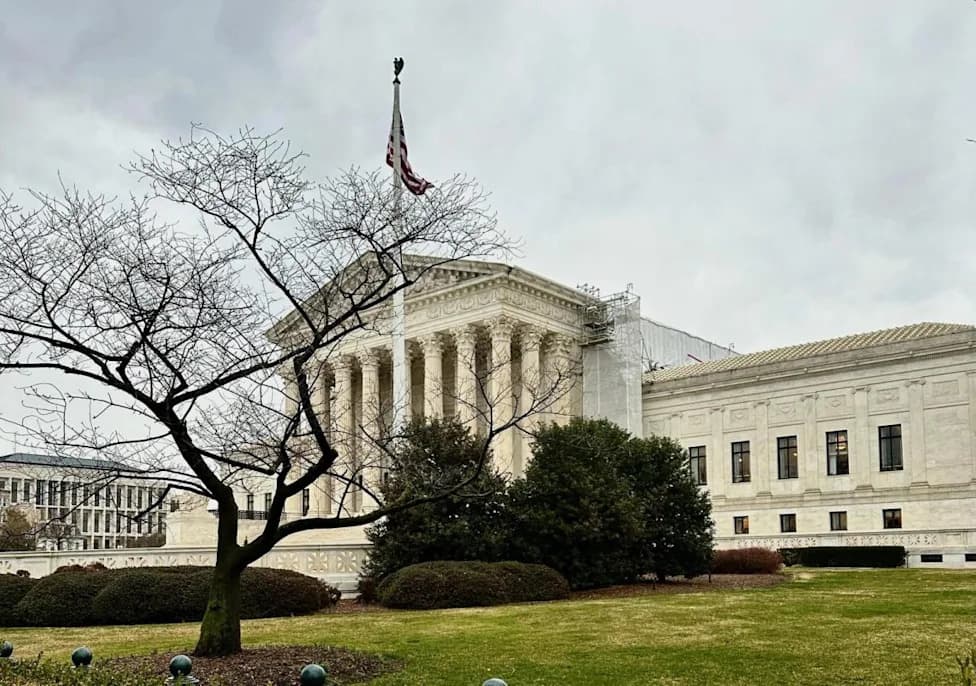
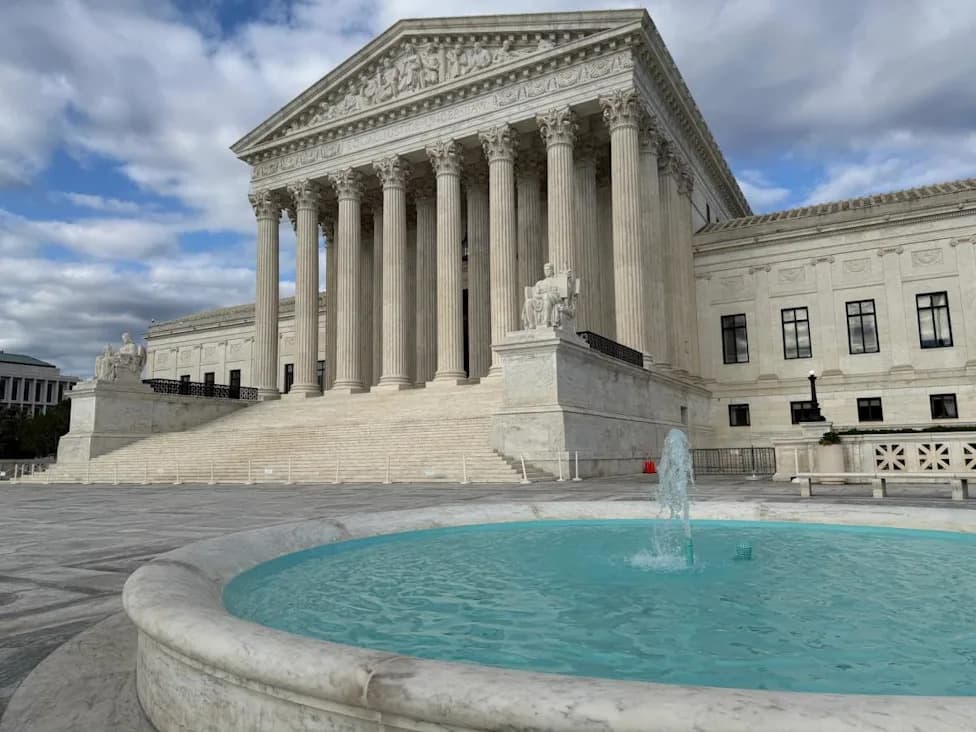
September 17 marks Constitution Day, commemorating the 1787 signing in Philadelphia of the document that continues to govern the United States. The day rightly prompts ceremonies and civic lessons, but the Constitution is not a museum piece. It establishes living limits on government power, and the most meaningful tribute is to enforce those limits in everyday practice—especially where government power is most concentrated: the criminal justice system.
1. Rein In the Federal Criminal Code
The Framers allotted certain powers to Congress but left most criminal law to the states. Yet Congress has enacted more than 5,000 federal criminal statutes, and federal agencies have added an estimated 300,000 regulatory offenses carrying criminal penalties. Seemingly minor acts—walking a dog in a national park with a leash longer than six feet or picking up a naturally molted hawk feather—can technically trigger federal exposure.
Congress should audit the federal criminal code, repeal redundant and overbroad offenses, and return ordinary criminal prosecution to the states where appropriate. A targeted, bipartisan review—such as the Council on Criminal Justice Task Force on Federal Priorities has recommended—would align federal criminal law with constitutional limits.
2. Restore a Meaningful Right to Trial
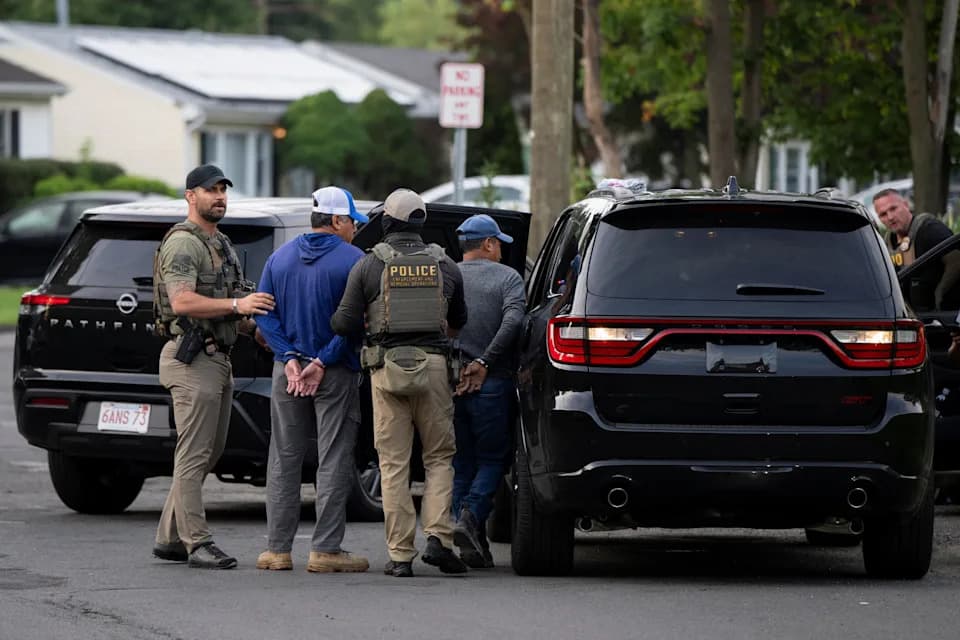
The Sixth Amendment guarantees a speedy and public trial by an impartial jury, but that right has been hollowed out by plea bargaining: roughly 97% of federal convictions and about 95% of state convictions result from guilty pleas. While many pleas are voluntary, the specter of a dramatically longer sentence for exercising the right to trial can coerce defendants—sometimes innocent ones—into pleading guilty.
As the Supreme Court observed in Lafler v. Cooper (2012), plea bargaining "is not some adjunct to the criminal justice system; it is the criminal justice system."
Reforms should include requiring plea negotiations to be placed on the record, ensuring judges and juries are informed of prior offers at sentencing, and limiting trial penalties that effectively force forfeiture of the constitutional right to a jury.
3. End Civil Asset Forfeiture Without Conviction
The Fifth Amendment prohibits depriving a person of property without due process, yet civil asset forfeiture allows government to seize—and often keep—property suspected of involvement in crime without charging or convicting the owner. The Institute for Justice and other organizations have documented thousands of such cases. Because proceeds frequently flow back to the seizing agency, some departments face an incentive to "police for profit."
At least 14 states require a criminal conviction before property may be forfeited; the rest should adopt the same standard, with reasonable exceptions for unclaimed property and assets controlled by foreign criminal organizations. Congress should also close the federal "equitable sharing" loophole that lets some state agencies route seizures through the federal government to evade stronger state laws.
4. Guarantee Open-File Discovery and Disclose AI Involvement
In Brady v. Maryland (1963), the Supreme Court held that prosecutors must disclose evidence favorable to the defense. Decades later, Brady violations remain a leading cause of wrongful convictions. Michael Morton, who spent 25 years incarcerated for a murder he did not commit, was exonerated after withheld evidence emerged; his case spurred Texas to pass the Michael Morton Act requiring open-file discovery. Every state should adopt similar rules so the defense receives the prosecution's full file, not a curated selection.
Artificial intelligence adds a new urgency to disclosure rules. Law enforcement already uses AI to analyze evidence, generate leads, and draft reports. When AI systems alter, enhance, or generate evidence, defendants, judges, and juries must be informed. The Council on Criminal Justice Task Force on Artificial Intelligence warns that, without guardrails, AI can threaten due process. Disclosure of AI involvement should be mandatory, and courts should adopt standards for evaluating AI-processed and AI-generated evidence before admission.
5. Fund the Right to Counsel That Gideon Promised
Gideon v. Wainwright (1963) guaranteed the right to counsel for defendants who cannot afford an attorney. Yet the promise remains largely unfulfilled: in 2022 public defenders carried an average of 194 felony cases per attorney—nearly double recommended standards—and in some counties a single attorney handled nearly 600 clients in a year. More than 80% of people charged with crimes cannot afford private counsel, and underfunded public defense systems are often unable to provide constitutionally adequate representation.
States should adopt enforceable workload standards with oversight and remedies for noncompliance. Congress should provide sustained federal funding for public defense programs comparable in scale and consistency to the funding it provides prosecutors.
Conclusion
The Constitution does not police itself. These shortcomings—visible for years and acknowledged by courts and commissions—persist for want of resources, competing priorities, or political will. Constitution Day is an appropriate moment to remember that the Framers' document is not merely aspirational: it imposes obligations. To honor it, we must implement reforms that protect rights every day the criminal justice system touches American lives.
About the authors
Marc A. Levin, Esq., is Chief Policy Counsel at the Council on Criminal Justice. He can be reached at [email protected].
Khalil A. Cumberbatch is Director of Strategic Partnerships at the Council on Criminal Justice and can be reached at [email protected]. He is active on X as @KhaCumberbatch.
Help us improve.