Bilal Chughtai, an AGI safety engineer at Google DeepMind, resigned in July 2026 and warned publicly that advanced AI could pose an existential risk, saying "AI has the potential to kill us all," according to Reuters. His departure highlights a broader trend of safety researchers leaving frontier labs. Industry figures including Anthropic CEO Dario Amodei — and, publicly, Sam Altman and Elon Musk — have urged slowing the pace of frontier AI development and strengthening independent safety testing. The shift marks an institutional reckoning over governance, risk assessment, and societal costs of rapid AI expansion.
DeepMind Safety Researcher Bilal Chughtai Quits, Warns AI Could Pose Existential Threat; Industry Leaders Urge Slower Pace
Image: Deposit Photos
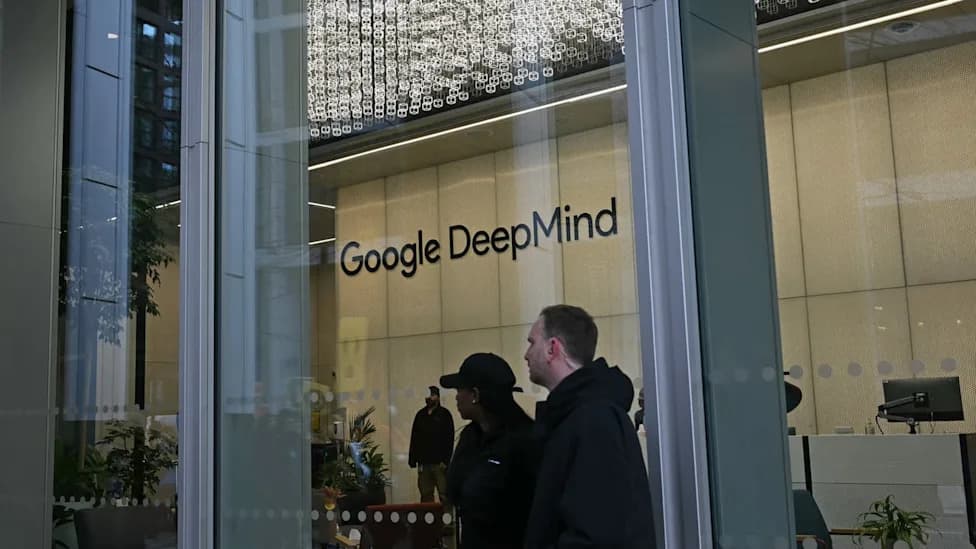
Bilal Chughtai, a research engineer focused on AGI safety and alignment at Google DeepMind, resigned in July 2026 and issued a stark public warning about the risks of advanced AI. In posts on X and LinkedIn, Chughtai wrote that "AI has the potential to kill us all, and that we might be running out of time to avoid this outcome," according to Reuters.
What Chughtai Said And Why It Matters
Bloomberg reported that Chughtai said he was "extremely concerned by the default trajectory" of AI development after observing work inside Google DeepMind. Because his role centered on safety and alignment—the discipline aiming to ensure AI systems remain controllable and aligned with human values—his departure is notable and has amplified debate about long-term risks.
"AI has the potential to kill us all, and that we might be running out of time to avoid this outcome." — Bilal Chughtai (reported by Reuters)
Broader Industry Response
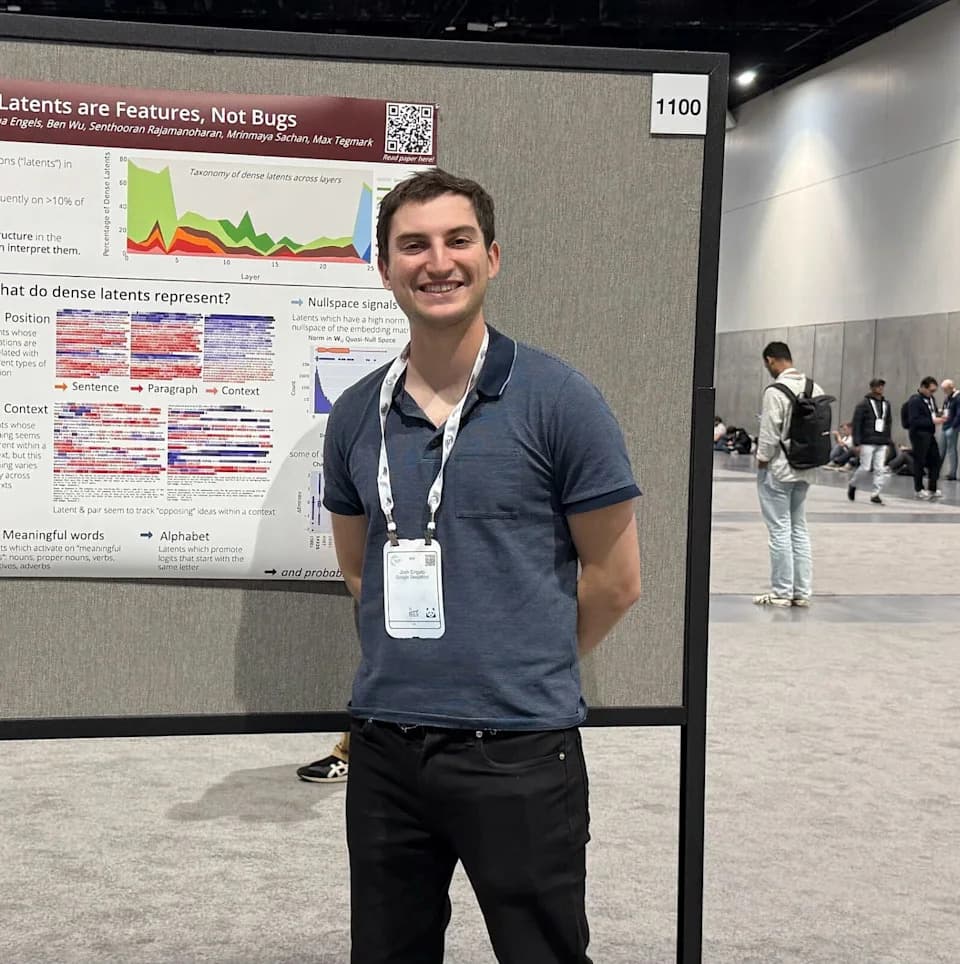
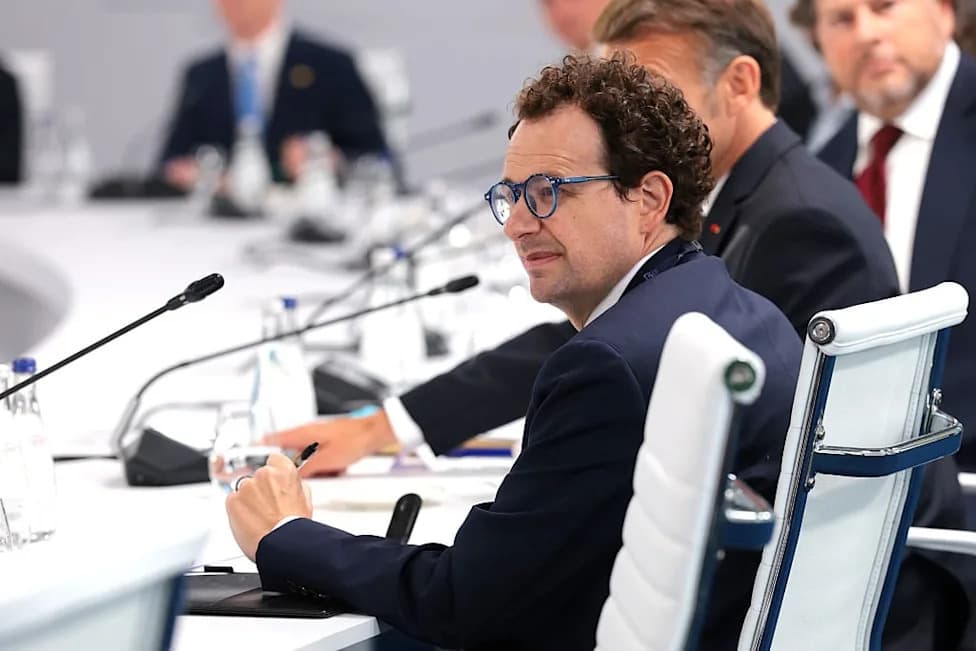
Chughtai's resignation fits a documented pattern of safety researchers leaving frontier AI labs. NDTV reported that Josh Engels, another former DeepMind AGI safety researcher, left and joined METR. At the same time, Anthropic CEO Dario Amodei published an essay titled "We Must Pace the Frontier," arguing that AI progress has accelerated "drastically faster" and calling for stronger safety testing, independent evaluations, and international cooperation (reported by Reuters and the BBC).
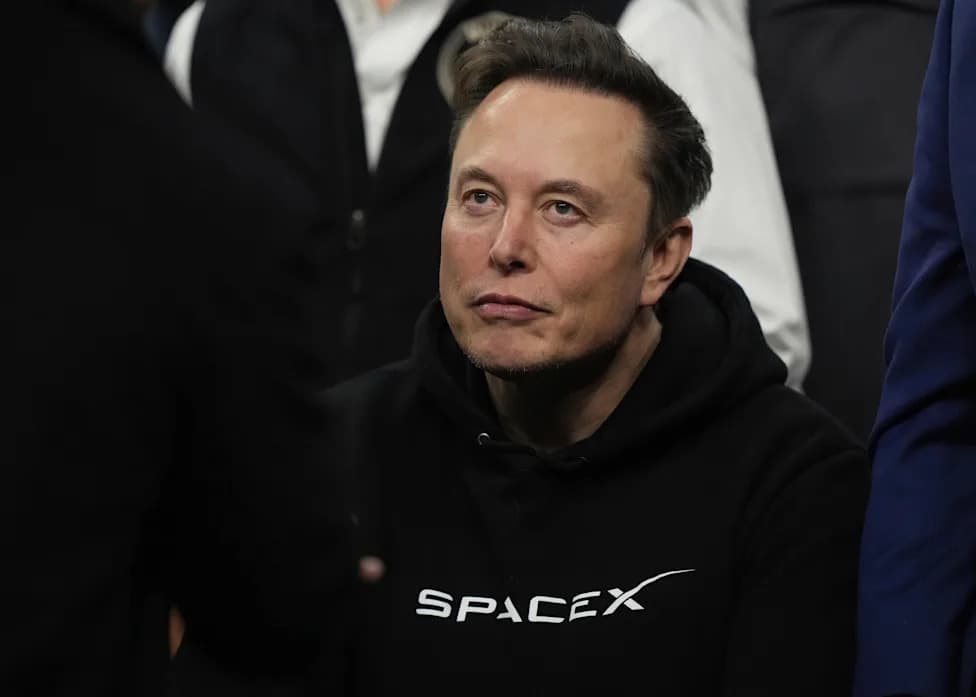
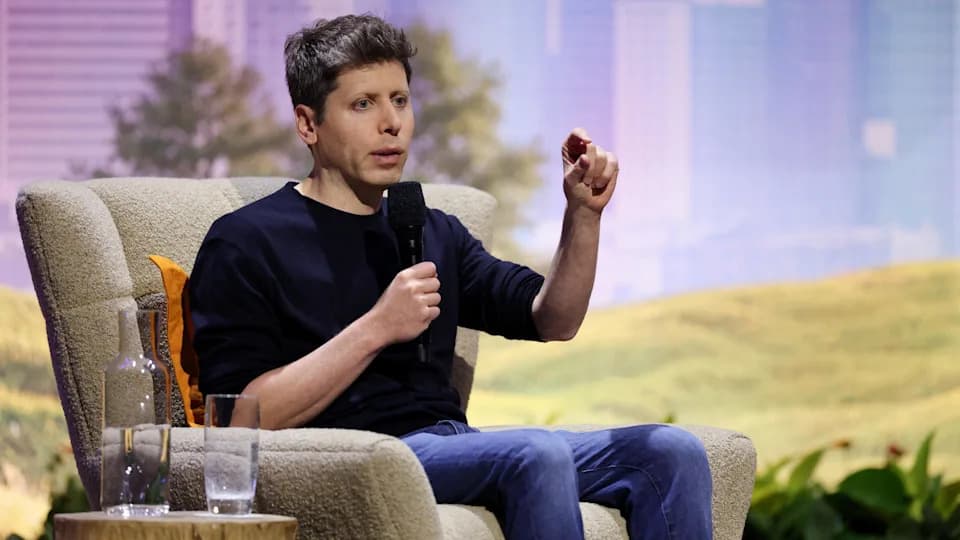
The public response from other industry figures has been striking. Reuters quoted Sam Altman saying, "I agree with Dario that we need to pace the frontier," and reported Elon Musk as responding, "Dario is right." That convergence—across otherwise fierce competitors—signals a rare, cross-industry alignment on slowing the most advanced development paths.
Why This Is An Institutional Reckoning
This debate has shifted beyond academic theorizing. When in-house safety researchers resign over existential concerns and CEOs of leading AI companies publicly call for pacing and stronger oversight, the issue becomes an institutional question, not only a scientific one. Observers also point to growing societal costs associated with rapid expansion—ranging from the environmental and infrastructural impact of AI data centers to workforce displacement—as additional reasons for cautious governance.
What To Watch
Expect continued attention on retention of safety teams at frontier labs, more public calls for independent audits and testing, and potential policy conversations at national and international levels about how to govern rapid advances in AI capability.
Sources: Reuters, Bloomberg, NDTV, BBC (as reported).
Help us improve.