Researchers have re-dated a famous Exeter train delay to Oct. 18, 1848, after finding the originally cited 1841 date was inconsistent with railway opening records. By cross-checking timetables, newspapers, auroral observations and geomagnetic data, the team concluded the delay coincided with a strong solar storm. The correction moves the earliest confirmed telegraph disruption to March 1847 on the Midland Railway and underscores that space weather has threatened electrical systems since the 1840s — a risk that remains relevant to modern infrastructure.
Historic 'Solar' Train Delay Re-Dated to 1848 After Archival Detective Work
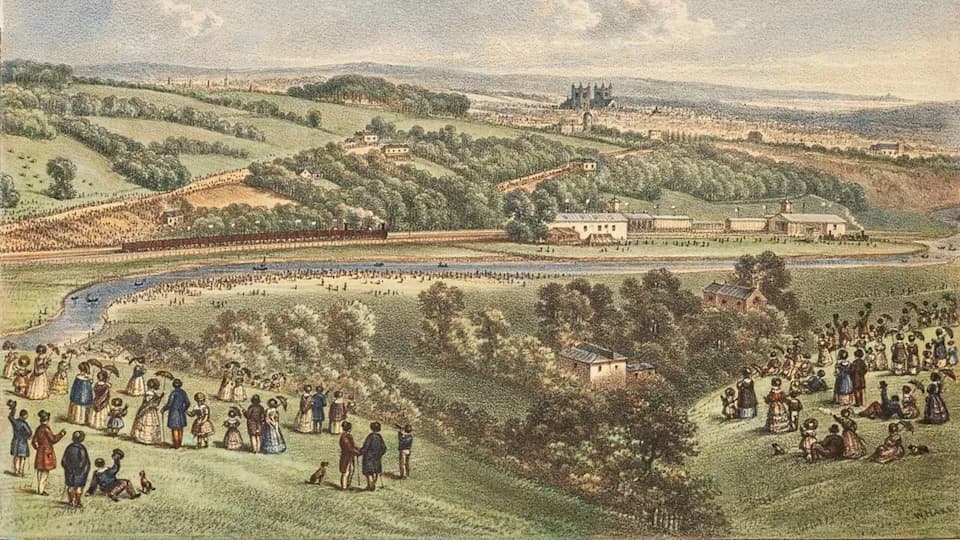
Exeter in 1844-1850. W. Hake's painting shows the opening of the Bristol and Exeter Railway as seen from Exwick Hill. | Credit: W. Hake, Royal Albert Memorial Museum & Art Gallery/Wikimedia Commons
Researchers revisited a long-cited 19th-century story about a 16-minute train delay near Exeter and found the widely quoted date was wrong. Detailed archival research shows the incident most likely occurred on Oct. 18, 1848 — not 1841 — and coincided with a strong solar storm that injected current into telegraph signalling equipment.
How the Mystery Was Solved
The original account, published in Nature in 1871, placed the electrical disturbance at 10:05 p.m. on Oct. 18, 1841. That raised a red flag for the research team led by Professor Jim Wild (Lancaster University) because the relevant railway line did not open until 1846. To resolve the contradiction, the investigators assembled multiple contemporary sources: railway timetables, newspaper reports, solar-observation records, auroral sightings and digitized geomagnetic measurements.
"Our research has a hint of a detective story — piecing together a wide range of archived records to better understand a historically severe space-weather event," said Mike Hapgood of RAL Space.
Findings and Context
By cross-referencing those independent records, the team concluded the most probable date for the Exeter disruption is Oct. 18, 1848, a day that matches evidence of strong solar activity. With this correction, the Exeter case no longer holds the distinction of being the earliest recorded space-weather impact on electrical technology. That spot now belongs to a geomagnetic disturbance that affected the Midland Railway network in March 1847.
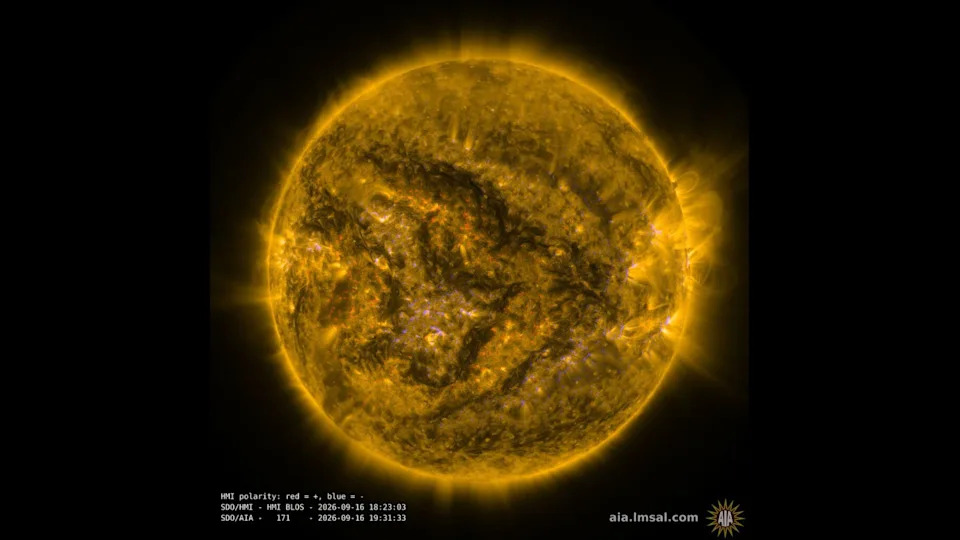
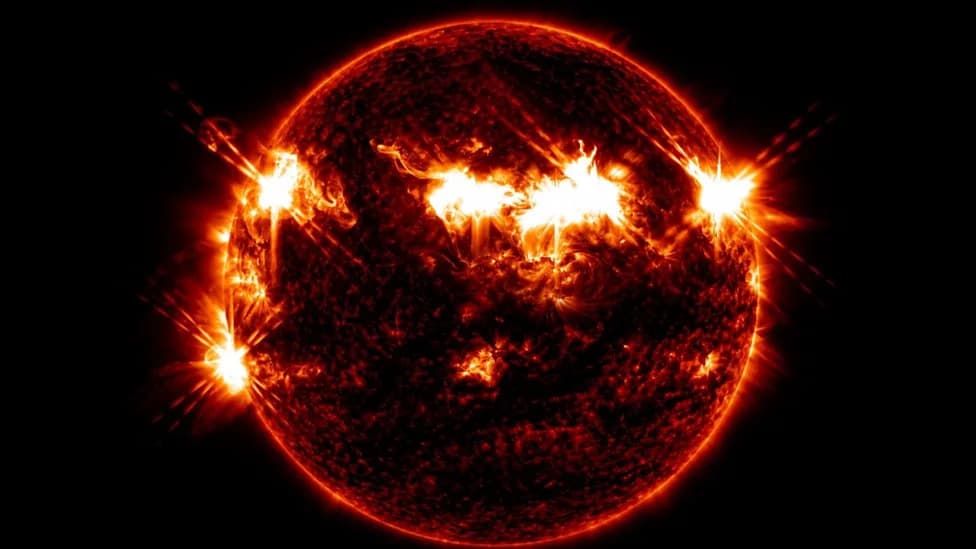
Solar storms have been playing havoc with electrical technology on Earth since the 1840s. | Credit: NASA/SDO
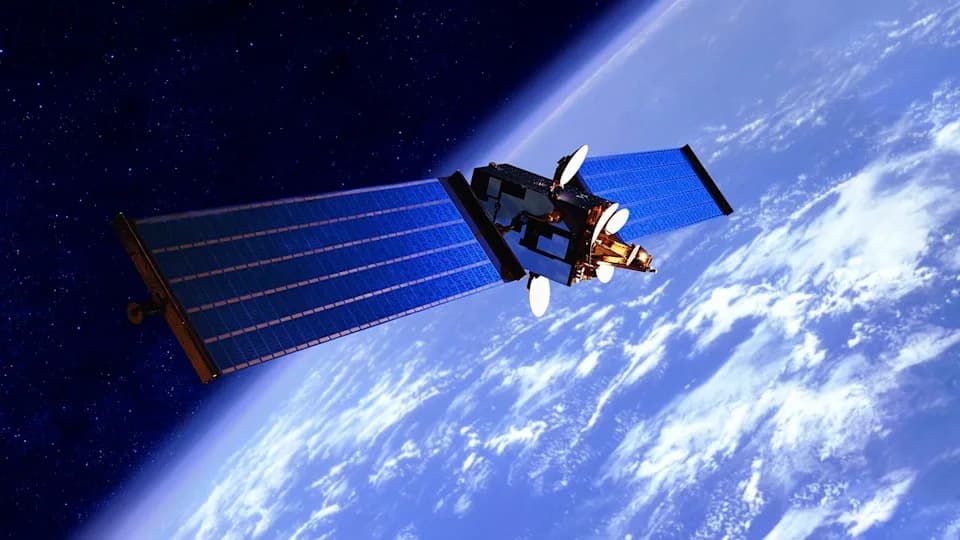
The research highlights two broader points. First, space weather has been affecting electrical systems since telegraphy first spread across the globe in the 1840s. Second, while modern monitoring of solar activity is far more advanced than in the 19th century, contemporary infrastructure — power grids, communication networks and satellites — is more complex and often more vulnerable to extreme geomagnetic storms.
The Bigger Picture: Carrington and Modern Risk
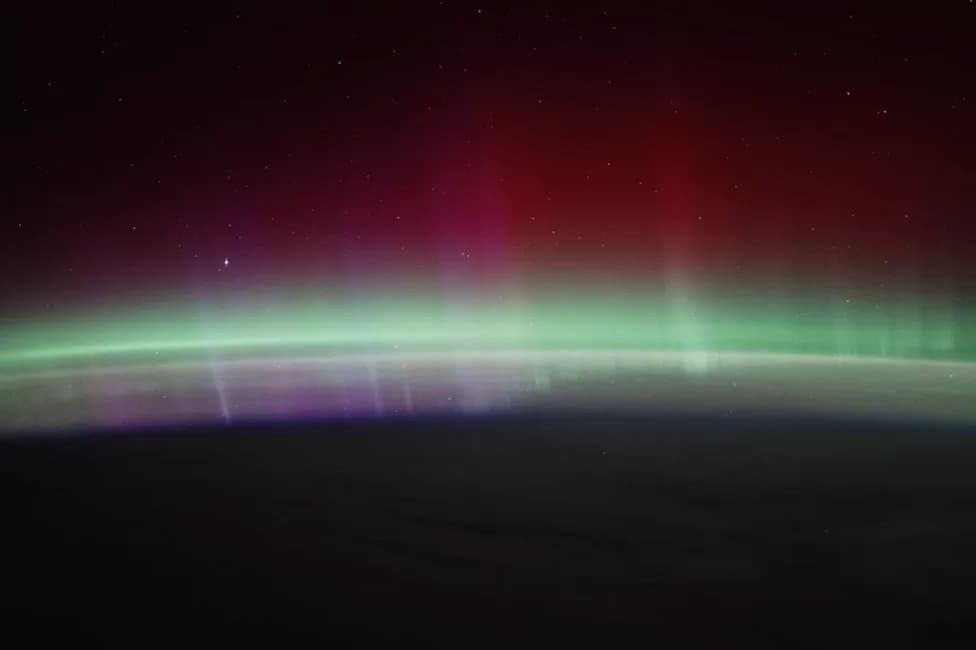
The most dramatic early example is the Carrington Event of 1859, which produced low-latitude aurorae, caused telegraph poles to spark and induced unexpected currents in telegraph lines. A similar extreme storm today could cause widespread power outages, communications failures and satellite damage. The current Solar Cycle 25 peaked in October 2024, and researchers caution that significant geomagnetic storms remain possible before the Sun quiets toward the next minimum around 2030.
Why this matters: Correcting historical records improves our understanding of how often severe space-weather events occurred in the past, which in turn helps refine risk estimates for modern technological systems.
Help us improve.