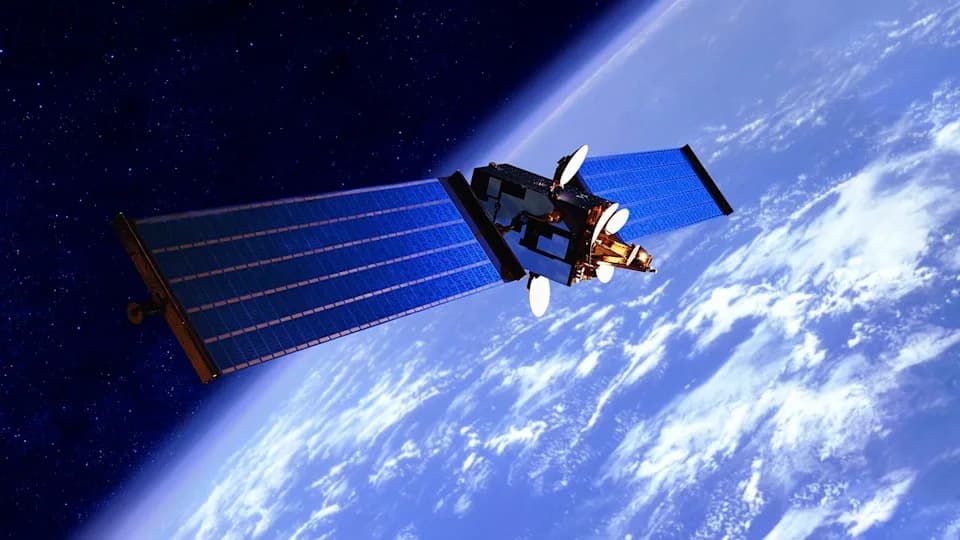
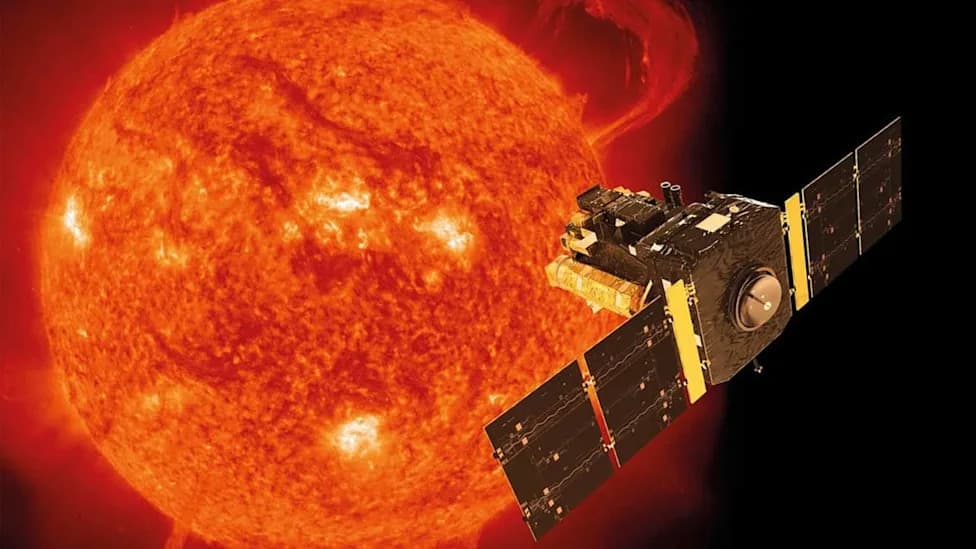
The 11 November 2025 solar superstorm produced unusually far-reaching ionospheric turbulence that temporarily reduced GPS horizontal accuracy by more than 10 metres across mid-latitude North America. Scientists combined auroral camera images with ground-based GPS networks in the US and Canada to map electron density, turbulence and signal scintillation. High-energy electrons descending along magnetic field lines caused strong amplitude flicker and large positioning errors. Researchers warn this poses a clear threat to precision agriculture and autonomous transport during critical seasons.
November 2025 Solar Superstorm Knocked GPS Off Course — Scientists Reveal How
A solar storm knocked out GPS for hours last year. Scientists finally find how the disruption happened
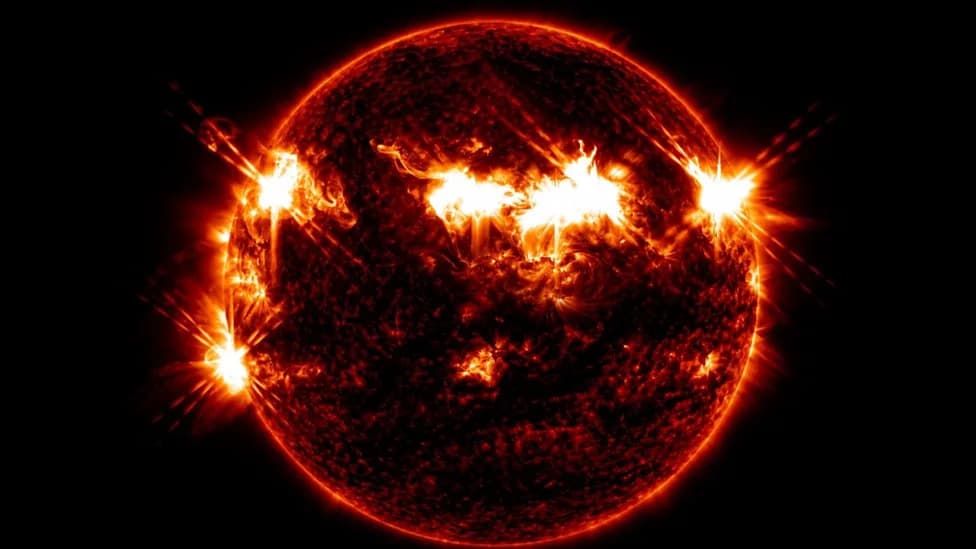
On 11 November 2025, a powerful solar flare launched a rare, wide-reaching auroral event that pushed turbulence far into mid-latitude regions and temporarily degraded GPS performance across much of North America.
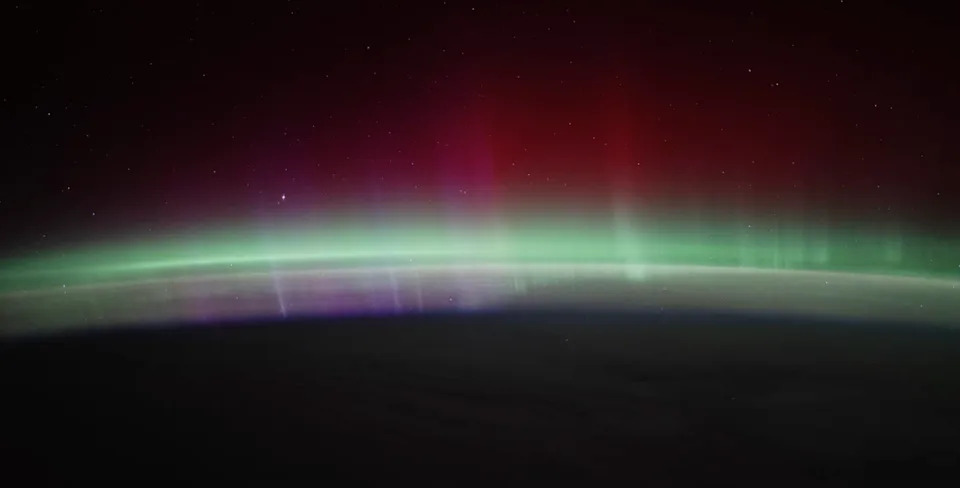
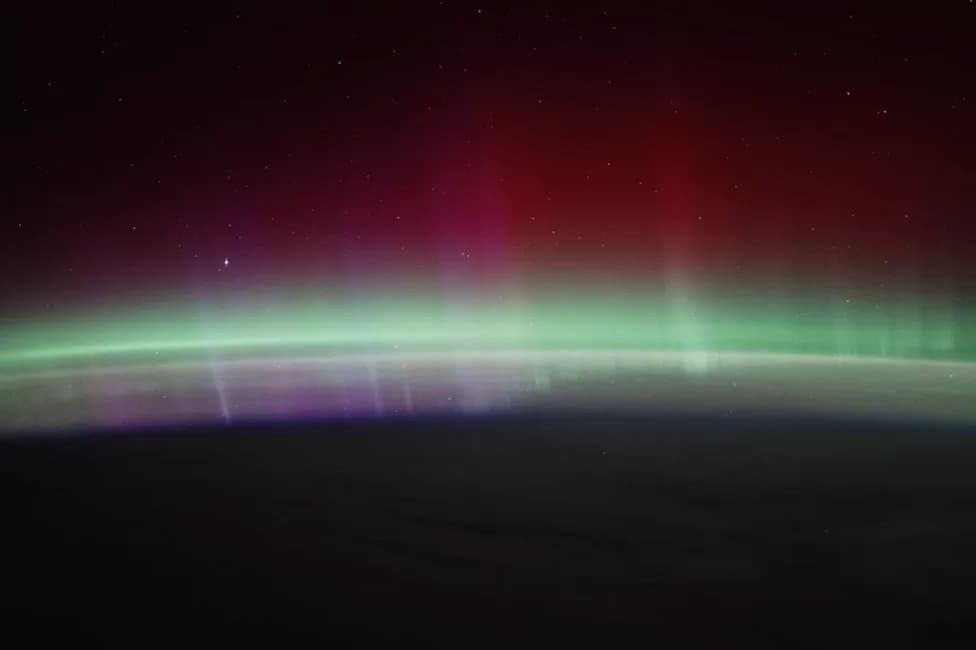
Aurora borealis viewed from space station on 12 November 2025 (Nasa)
What Happened
The flare originated from an active sunspot region and produced auroras visible as far south as central Florida. The event drove intense disturbances in the ionosphere — the electrically charged upper layer of Earth’s atmosphere — sending high-energy electrons down magnetic field lines and colliding with atmospheric gases over a broad range of longitudes.
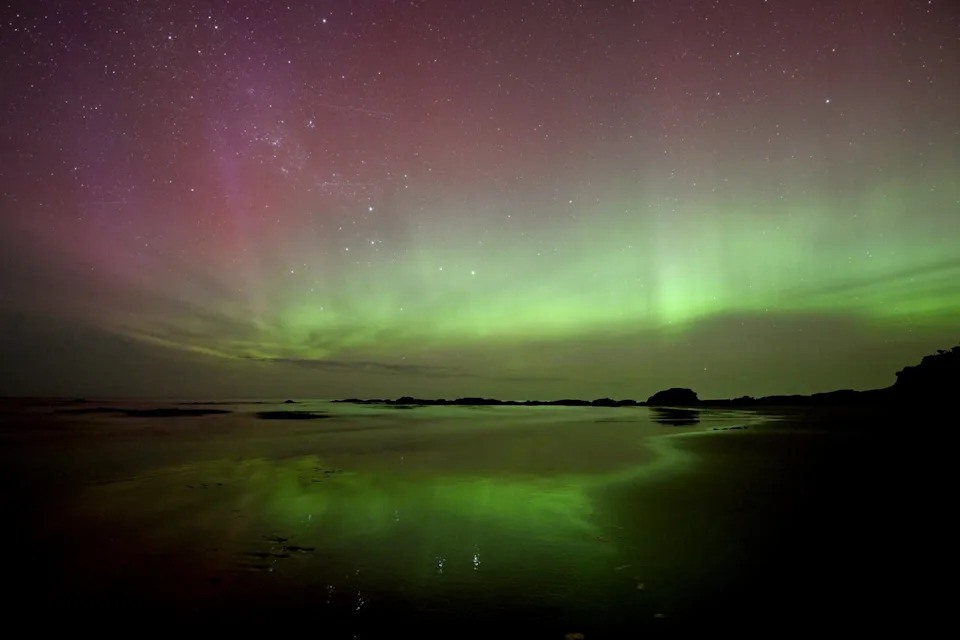
Aurora Australis, also known as the Southern Lights, glows on the horizon over the waters of Brighton Beach in Dunedin on November 13, 2025 (AFP via Getty Images)
How Scientists Studied It
Researchers combined imagery from aurora-monitoring cameras with measurements from ground-based GPS receiver networks across the United States and Canada. Using those data they mapped ionospheric electron density, quantified turbulence, tracked signal fluctuations (amplitude scintillation) and logged GPS horizontal positioning errors during and after the storm. The study was published in Geophysical Research Letters.
Key finding: During the event, GPS horizontal-positioning errors exceeded 10 metres (about 33 feet) in mid-latitude regions normally considered relatively calm, driven by strong signal-amplitude flicker caused by auroral-driven irregularities.
Why It Matters
GPS underpins many modern services, including precision agriculture, autonomous transport and logistics. The researchers warn that a similar event occurring during a peak farming season or heavy transport period could cause significant economic disruption. They emphasize the need for improved monitoring and forecasting of auroral processes — including energy flux, expansion velocity and precipitation scale sizes — because these factors control the small-scale ionospheric irregularities that break GPS signals.
Bottom line: This November 2025 storm demonstrated that extreme space-weather events can push auroral impacts well outside polar regions and pose real risks to navigation and timing systems at mid latitudes.
Help us improve.